




A New Carrie Has Entered the Building
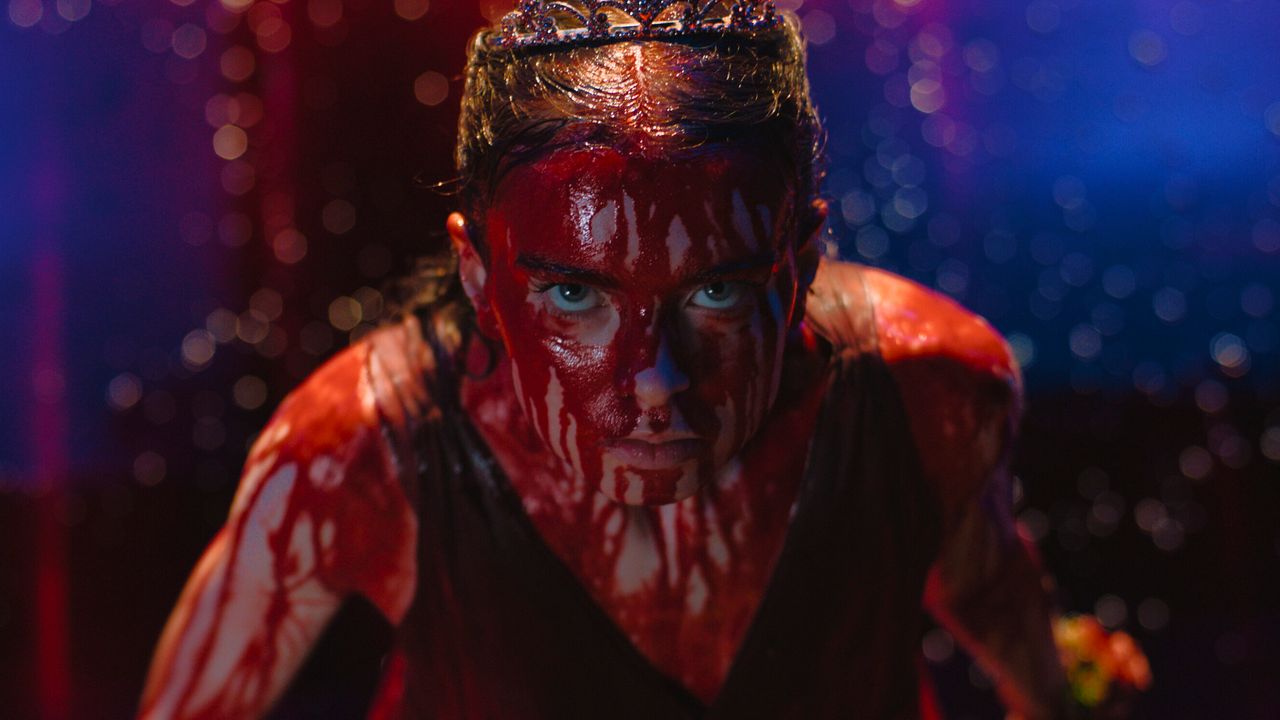
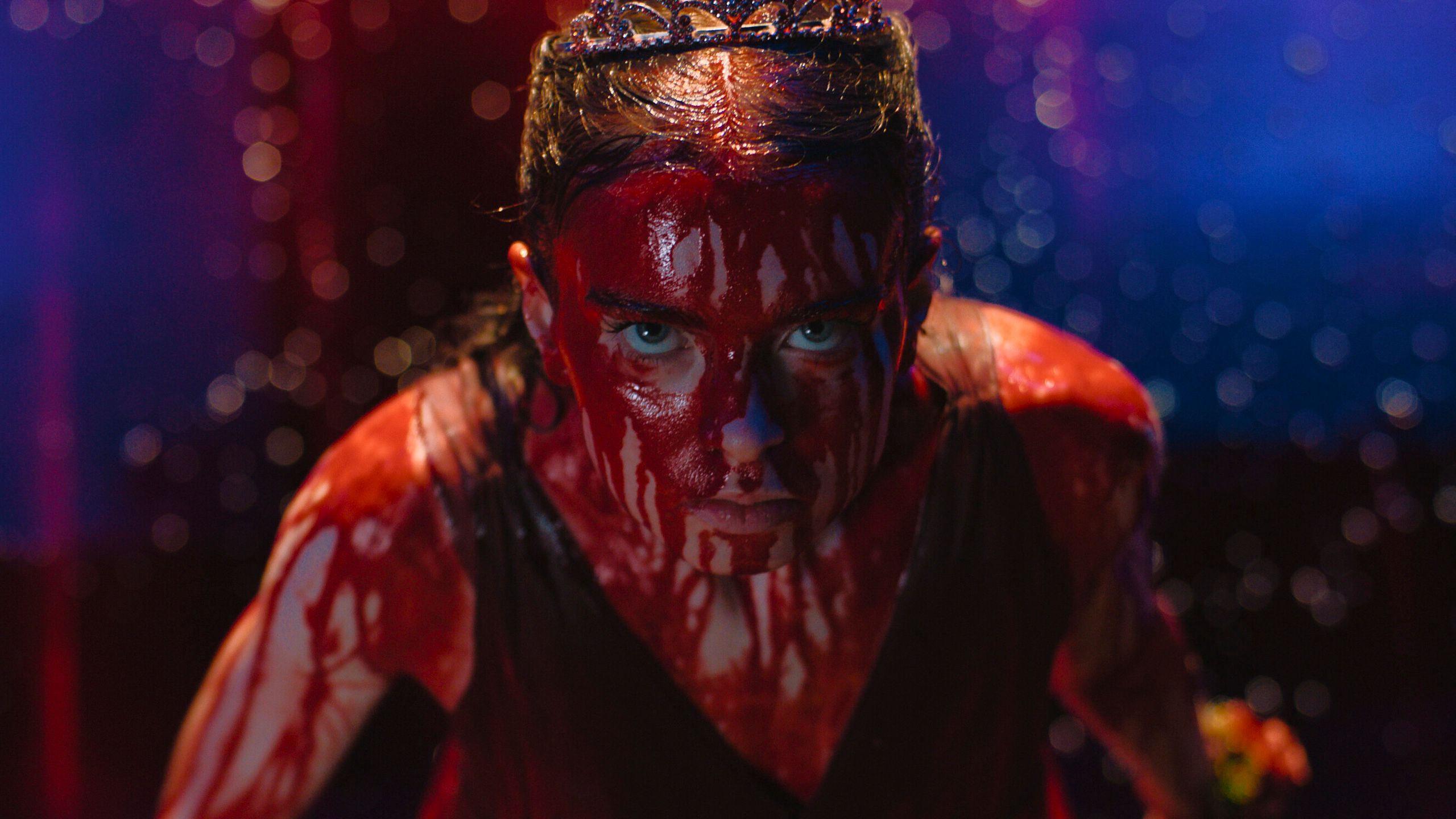
Mike Flanagan has taken Stephen King’s debut novel and rebuilt it for the present day, and the result is now streaming on Amazon Prime. That arrival makes this the right moment to line up every version of Carrie White that has made it to screen and settle, once and for all, which ones earned their standing ovation and which ones deserved to get soaked.
King’s story has proven unusually resistant to being left alone. Since the novel first appeared, filmmakers have returned to its central image – a teenage girl, a gym, a bucket, a catastrophe – with a persistence that suggests the material keeps offering something new, or at least keeps tempting directors into thinking it will. Whether Flanagan’s Amazon Prime reimagining joins the pantheon or merely adds another name to the list is the question every ranking has to answer.
Why This Story Won’t Stay Buried
There is something about Carrie White that resists closure. King wrote her as an outcast with telekinetic power and a mother whose religious obsession curdled into cruelty, and that combination has aged in ways that feel less like nostalgia and more like an open wound. Each adaptation arrives carrying the assumptions of its era – about teenage girls, about punishment, about what audiences will tolerate watching happen to someone who never had a chance.
That cultural sensitivity to the material is partly what makes ranking the adaptations so interesting. They are not just different films of the same story. They are documents of how different decades understood humiliation, sympathy, and spectacle. The 1976 original, the 2002 television movie, the 2013 theatrical remake – each one made a distinct set of choices about where the camera should look when things go wrong, and those choices reveal more about their makers than any press release ever could.
The Adaptations, Set Against Each Other
Brian De Palma’s 1976 film, the original screen adaptation, remains the version every subsequent production has to answer to. Sissy Spacek’s performance turned a character who could have been entirely pitiable into someone genuinely frightening, and De Palma’s split-screen prom sequence became shorthand for a kind of cinematic dread that horror directors still reference. It is not a perfect film, but it is the one that established what the story could do when handled by people who understood that restraint and release need to be calibrated carefully against each other.
The 2002 television movie, which was intended to launch a series, attempted something the other versions never tried: it kept Carrie alive at the end. That decision changed the entire emotional logic of the story. Carrie White surviving is not a comfort – it is a different kind of horror, because the world she would return to is the same world that destroyed her the first time. The series never materialized, which left that version stranded between a remake and a pilot, belonging fully to neither category.
The 2013 version, directed by Kimberly Peirce and starring Chloe Grace Moretz, arrived with genuine promise. Peirce had made Boys Don’t Cry, and the expectation was that she would bring a specific understanding of violence directed at young women who don’t fit. The result was more complicated than that. Moretz’s Carrie felt, to many viewers, too self-possessed, too knowing – and the studio’s push toward a broader audience softened edges the story probably needed to keep sharp. It is better than its reputation, but not as good as it wanted to be.
Flanagan’s Amazon Prime version enters this lineage as a reimagining rather than a straight adaptation, which gives it both freedom and risk. Flanagan built his reputation on King adaptations – Doctor Sleep, and the Netflix series The Haunting of Hill House, which drew heavily on gothic horror tradition – and he has demonstrated a consistent interest in grief and inherited trauma rather than pure shock. Whether that instinct serves Carrie’s story or works against its more operatic demands is something viewers are now in a position to judge for themselves.
What Flanagan Brings to the Table
Flanagan’s modern-day setting is the most immediately visible departure. King’s novel is rooted in a specific kind of mid-century American social cruelty – the locker room, the prom committee, the town that knows everything about everyone and forgives nothing. Moving that into the present requires either updating those mechanisms or finding contemporary equivalents, and those choices will define how the reimagining is received by audiences who know the original well.
Amazon Prime as the platform also matters. Streaming has changed what “horror for adults” means logistically – no theatrical release date, no opening weekend pressure, a different relationship between the viewer and the pacing of a story that depends on dread accumulating slowly before releasing all at once. Flanagan has worked in this environment before and seems to understand how to use it.
Where the New Version Lands
Every ranking of the Carrie adaptations is, underneath the argument about cinematography and casting, a ranking of which version best understands what King’s debut novel was actually about. It was not a horror story about telekinesis. It was a story about what happens when a community decides that one person is acceptable to destroy, and how that decision comes back.
Flanagan’s version arrives at a moment when that particular subject carries weight it did not always carry in quite the same way. The question the Amazon Prime release leaves open is not whether Carrie White will be punished – that is given – but whether the people watching will be made to feel the right things about it, in the right order, at the right temperature. That gap between what a story intends and what an audience actually feels is where all the interesting adaptations live, and also where the forgettable ones quietly dissolve.
De Palma shot the prom sequence twice – once at normal speed, once slow – and cut between both in the final film. That technical decision is nearly fifty years old and still nobody has quite figured out how to top it.