





From Furniture Salesman to Television Franchise
Colson Whitehead’s Harlem trilogy – Harlem Shuffle, Crook Manifesto, and Cool Machine – is moving from the page to Apple TV, where all three novels have been acquired in a single development deal. The series follows Ray Carney, a furniture salesman whose proximity to Harlem’s criminal underworld keeps pulling him back in, across a thirty-year sweep of the 20th century. Carney enters the story in the 1950s and arrives at what Whitehead frames as his apex sometime in the 1980s – a full arc that gives the adaptation the kind of scope television has been chasing since The Wire made urban sociology feel like entertainment.
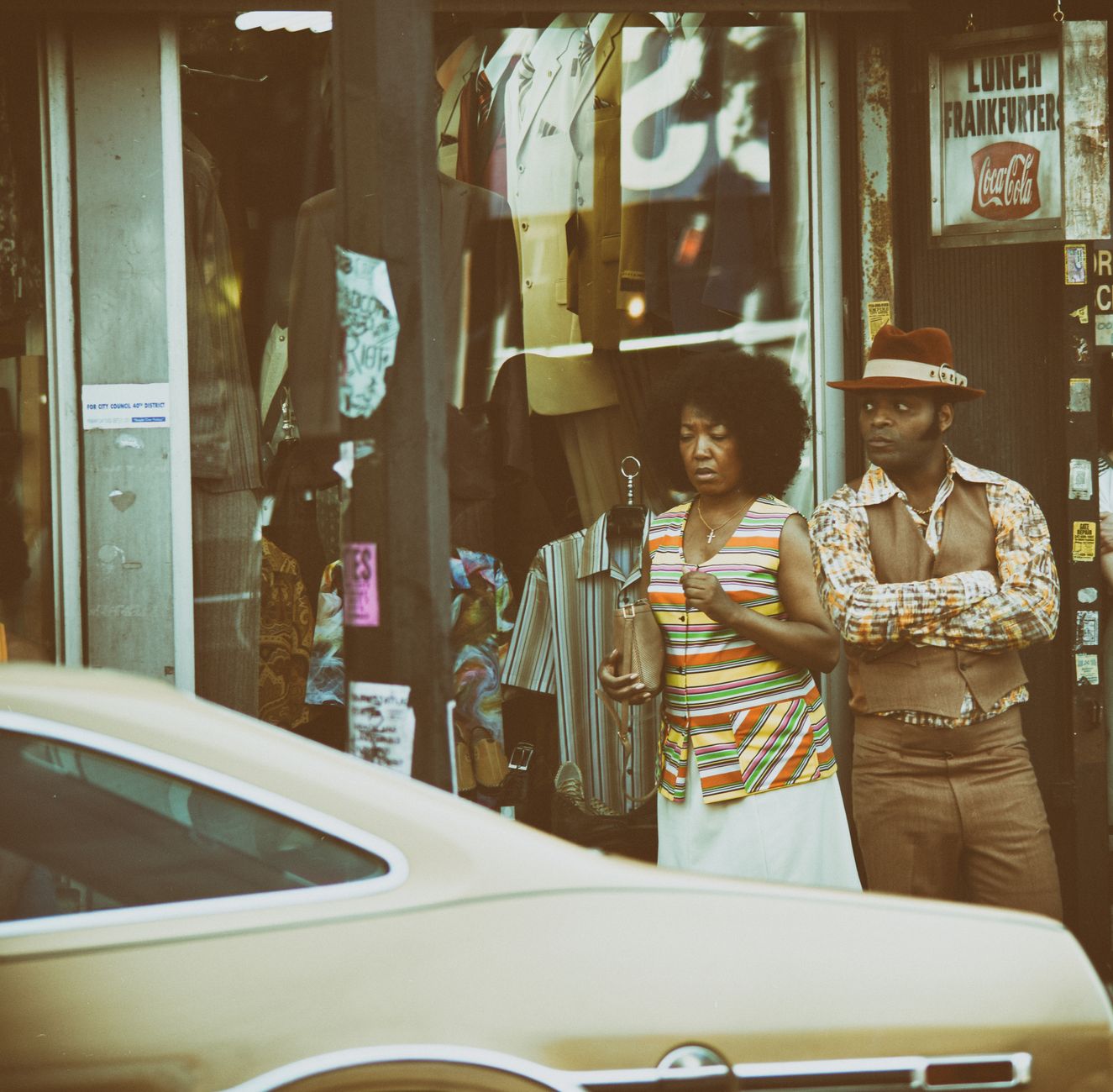
What makes the trilogy unusual as source material isn’t just its length or ambition – it’s the way Whitehead holds crime fiction and social satire in the same hand without dropping either. The books work as propulsive genre reads and as portraits of a neighborhood being remade by money, politics, and time. That double function is rare, and it’s part of why the readership has been so broad. Barack Obama is among the trilogy’s documented admirers. Time magazine went further, calling Whitehead America’s storyteller – a designation that sounds like publicity copy until you look at the actual sales figures and the range of people buying the books.
Whitehead didn’t always write this way.
A Career That Shifted Gears – and Found a Bigger Road
His early work placed him squarely inside a Gen X tradition of wry, cerebral speculative fiction – the kind of company that included certain Jonathans and a shared sensibility about irony as armor. That work earned him a serious literary reputation. But the novels he’s been writing in the years since have traded irony for momentum. The Harlem trilogy has a yarn-like quality – page-turning in the old sense, not the algorithmic sense – that opens the books to readers who might not typically seek out literary fiction. Harlem Shuffle hit bestseller lists. So did its sequels. The audience has been building with each installment.
That track record matters when a streamer is deciding how much to invest in an adaptation. Apple TV isn’t treating this as a speculative bet on a single novel – acquiring all three books at once signals a longer-term commitment to Carney as a character and Harlem as a setting that can sustain multiple seasons of television. The deal structure itself is a statement about confidence.

Graham Yost and Aric Avelino are writing the scripts. Yost has deep television credentials – his name on a project carries real weight with the networks and streamers that have to decide whether a literary adaptation will survive contact with a production budget and a writers’ room. Barry Jenkins, who directed Moonlight, is attached as executive producer. Jenkins has a particular gift for translating interior emotional lives into visual grammar, which matters for a story where so much of what drives Carney is internal – the pull between respectability and the street, between who he is and who Harlem keeps asking him to be.
Whitehead’s Adaptations Are Already Working
There’s an existing track record here that takes some of the uncertainty off the table. RaMell Ross adapted Whitehead’s The Nickel Boys for the screen in a version that earned serious critical attention for its formal boldness – Ross shot much of the film from a first-person perspective, placing viewers inside the bodies of his Black protagonists rather than watching them from outside. The result was something that felt genuinely distinct from its source material while honoring what made the novel matter. That kind of adaptation – faithful in spirit, inventive in execution – is exactly what the Harlem trilogy needs.
Apple TV also has history with Whitehead’s work specifically: the streamer previously produced an adaptation of The Underground Railroad, his Pulitzer Prize-winning novel about a literal underground railroad ferrying enslaved people north. That series gave the platform a prestige anchor and demonstrated that Whitehead’s fiction can survive – and sometimes exceed expectations in – the translation to screen.

The question the Harlem trilogy adaptation will eventually have to answer is whether Ray Carney’s particular brand of moral negotiation – not quite villain, not quite hero, always calculating – translates into a lead performance that can hold a series together across what could be three full seasons of television. The furniture store front, the side deals, the Harlem that keeps changing underneath his feet: it’s rich material. But prestige television is full of rich material that collapsed under the weight of its own ambitions, and a cast hasn’t been announced yet.
Whoever ends up playing Ray Carney will inherit one of the more interesting characters in recent American fiction – a man who has spent thirty years trying to stay clean in a city that charges a toll for almost everything.