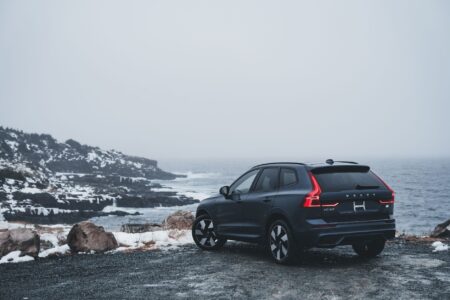





Audi arrived late to the full-size SUV segment, but the 2027 Q9 – revealed this week in Munich – makes its intentions clear: this vehicle was built with American buyers at the front of mind, and it intends to sit alongside the BMW X7 and Mercedes-Benz GLS rather than beneath them.
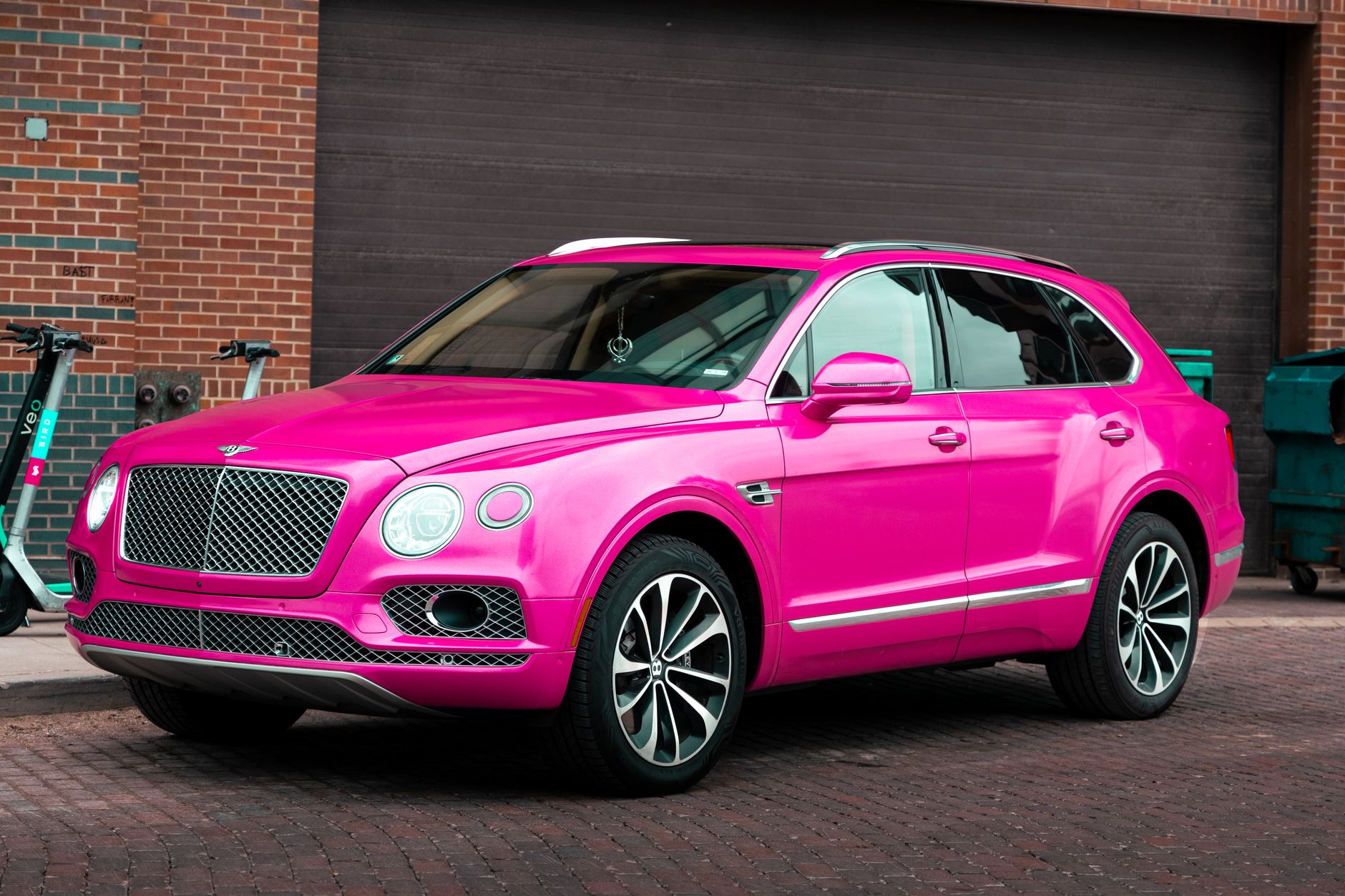
A Flagship by Default, Not Just by Size
With no confirmed plan to replace the A8 sedan, Audi has handed the Q9 a role that extends beyond sheet metal dimensions. It is now the brand’s highest-rung vehicle, the car that defines what Audi considers its best – at least until something changes on the sedan front. That’s a significant position to hand an SUV, and it says something about where the luxury market has settled.
The Q7 isn’t going anywhere. A third-generation version of that vehicle broke cover in June, and Audi is careful to position the two SUVs as distinct rather than competitive. The Q7 was designed primarily for Europe, where its third row works adequately for small children or the occasional extra passenger. The Q9 takes direct aim at the segment the Cadillac Escalade built – a proportionally bigger class that never fully took hold in European markets but defines luxury expectations in the United States.
At 209 inches long, 79.2 inches wide, and 71.4 inches tall, the Q9 is a substantial machine. Its wheelbase stretches 123.5 inches – 5.6 inches longer than the Q7’s – and most of that added length feeds directly into third-row space, which has historically been the Q7’s weakest point for American families. The Cadillac Escalade still edges it by a few inches in most dimensions, but the gap is smaller than you might expect given the Escalade’s cultural footprint.
Audi flew journalists from Washington, D.C., to Munich to see both the Q9 and the updated Q7 in person, and also arranged drives of the new RS5. That investment in press access signals how seriously the company is treating this launch – the Q9 isn’t a quiet addition to the lineup.
What 209 Inches Actually Looks Like in a Room
Parked in the studio, the Q9 reads as large without announcing itself aggressively. The body panels carry more curves and softer creases than Audis from just a few years ago, when the brand’s design language leaned harder into sharp geometric lines. The overall silhouette lands somewhere between a stretched station wagon and a conventional SUV – an effect that is partly optical. The Q9’s large wheels make the vehicle appear closer and smaller than it actually is, pulling the eye inward rather than letting the scale register fully at a distance.
That perceptual trick is worth noting because it shapes how the Q9 presents itself against competitors. Placed next to the Mercedes-Benz GLS or the BMW X7, the Audi reads as less imposing – not smaller in any meaningful specification, but visually less assertive. Whether that’s a design achievement or a missed opportunity depends entirely on the buyer. Some customers in this segment want a vehicle that dominates a parking lot; others want something that reads as refined rather than blunt.
The rear of the vehicle offers OLED taillights as an option, continuing Audi’s pattern of treating lighting as both a technology showcase and a personalization lever. OLED units produce a more even, flatter light surface than conventional LEDs, and Audi has used them to distinguish trim levels and special editions across several recent models. On a vehicle this size, they register as a detail rather than a feature – present to the people who notice, invisible to those who don’t.
The station wagon comparison isn’t purely stylistic. Scaled to these dimensions – the Q9 is effectively a wagon silhouette enlarged by a factor of roughly 1.3 – the shape carries a practicality argument alongside the aesthetic one. Long rooflines in this class typically mean better headroom in the second and third rows, and the Q9’s 3,137 mm wheelbase gives the interior geometry room to work with. How that space actually distributes across three rows in practice remains to be seen in a full test.
The 2027 model year designation places the Q9 on sale sometime in 2026, though Audi has not specified a retail date. Pricing hasn’t been announced either, but the vehicle’s positioning against the GLS-class and X7 puts it in a bracket where figures north of $80,000 are standard starting points, and well-optioned examples routinely clear $100,000.
The Segment Audi Decided It Couldn’t Ignore
The full-size luxury SUV segment has been one of the most profitable spaces in the American market for more than a decade. Cadillac built it with the Escalade, Land Rover holds a corner of it with the Defender 130 and Range Rover LWB, and Mercedes and BMW have competed directly for years. Audi’s absence was notable – the Q7, capable as it is, doesn’t quite reach the proportions American buyers associate with a flagship SUV, and the brand had no answer above it.
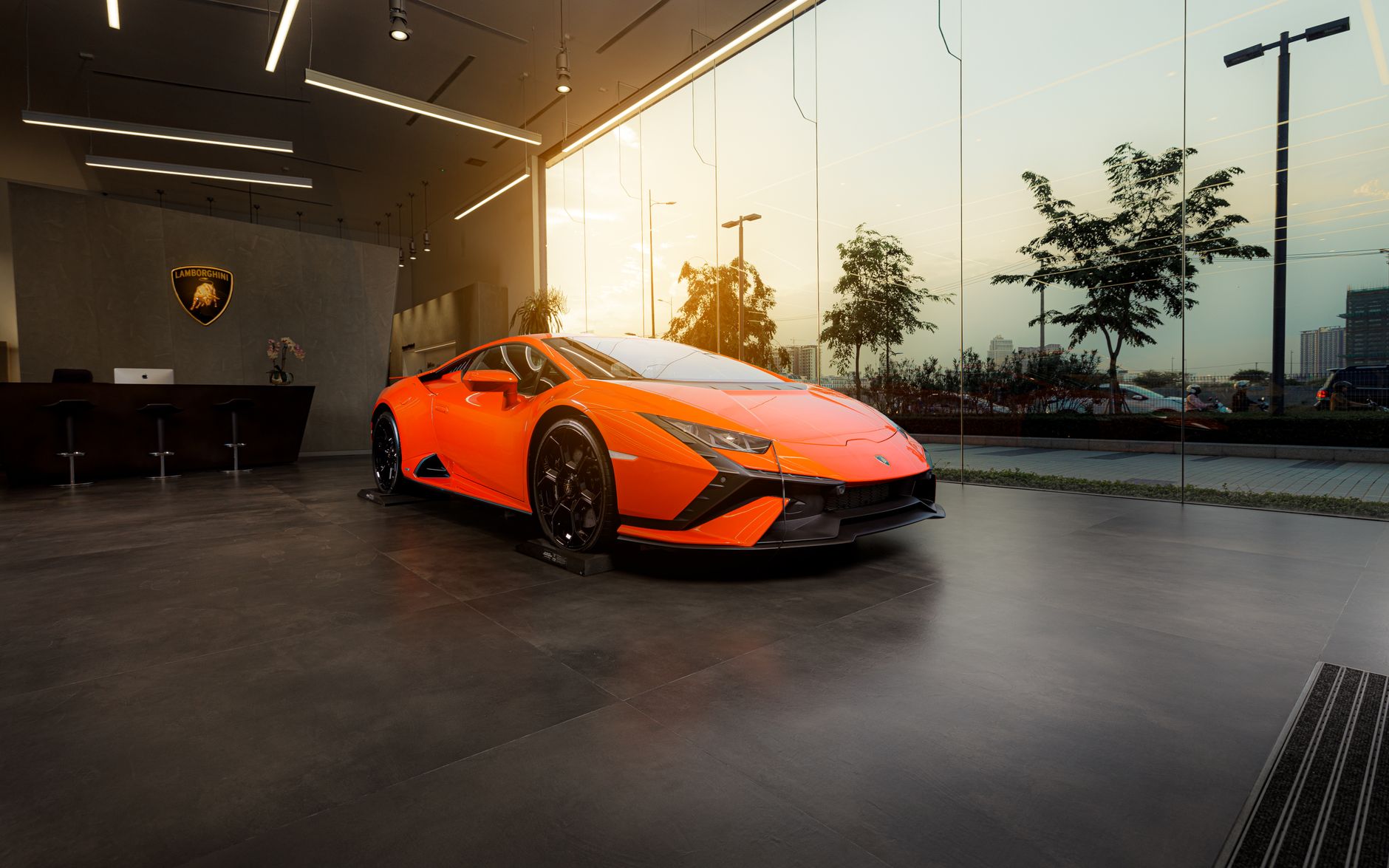
Now it does. The Q9 arrives with a specific brief: close that gap without abandoning the visual restraint that distinguishes Audi’s design from its German rivals. Whether buyers who cross-shop Escalades and GLS 450s will find the Q9’s softer presence appealing or underwhelming is the question Audi’s sales figures will eventually answer – and the Escalade still has a few inches of sheer mass on its side.