



The cashmere beanie has migrated from weekend ski slopes to corner offices, marking a subtle but significant shift in corporate dress codes. Executive assistants report seeing more luxury knit caps in C-suite meetings, while fashion rental platforms note increased demand for high-end beanies among business professionals.
From Street Style to Strategic Statement
The evolution began with tech companies, where casual Fridays stretched into casual every-days. As remote work blurred the lines between home and office attire, executives found themselves reaching for comfort pieces that still conveyed authority. The cashmere beanie emerged as an unexpected compromise between professional polish and personal ease.
Unlike traditional wool beanies associated with manual labor or outdoor activities, cashmere versions carry different connotations. The fiber’s association with luxury goods and its subtle texture create visual interest without appearing unprofessional. The investment required for quality cashmere also signals attention to detail and appreciation for craftsmanship.
Color choices reveal strategic thinking behind the trend. Navy, charcoal, and cream dominate executive wardrobes, allowing the accessories to integrate seamlessly with existing suit collections. Some professionals opt for subtle patterns like thin stripes or minimal logos from heritage brands, adding personality without compromising credibility.
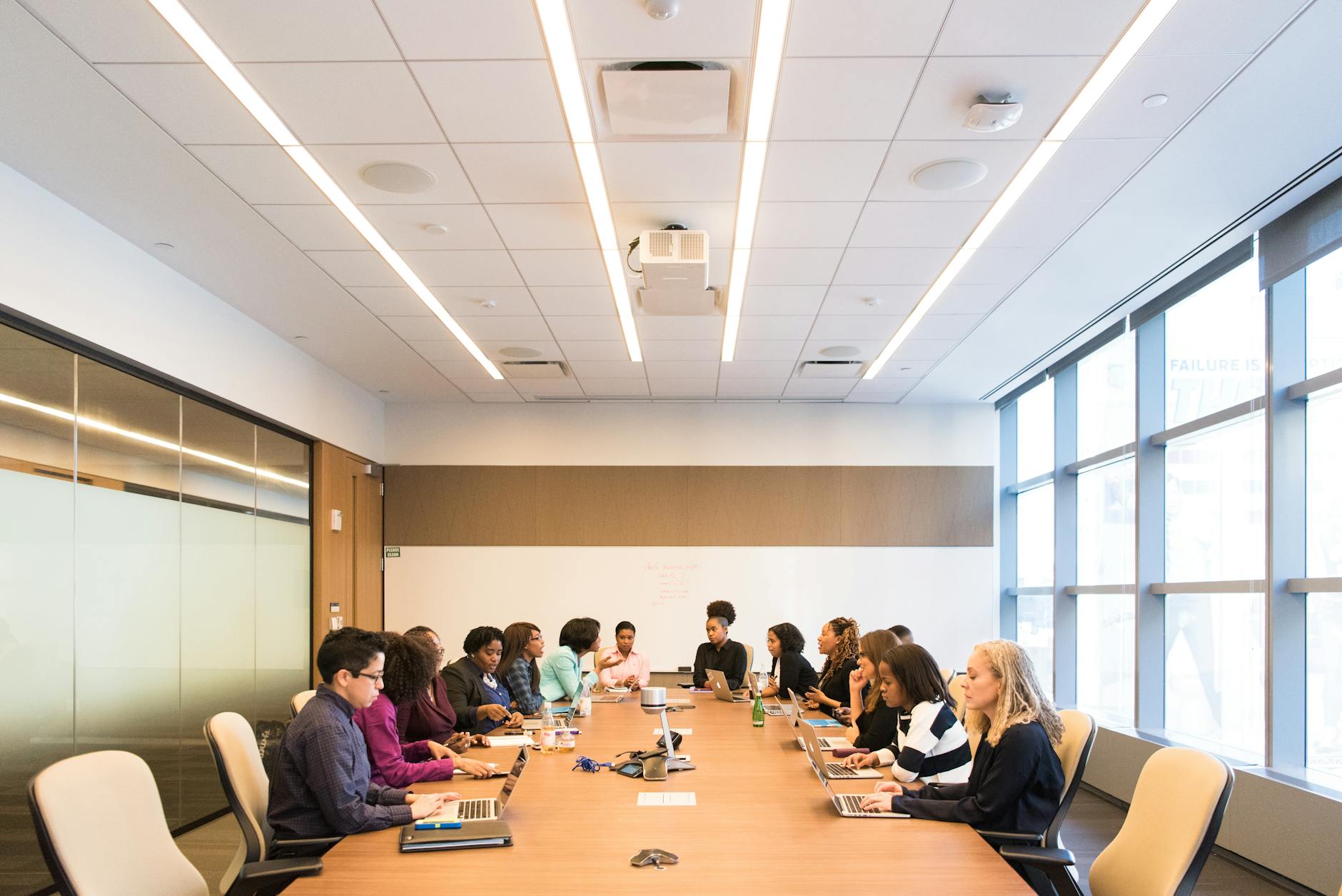
The beanie’s practical benefits extend beyond temperature control. Indoor air conditioning systems often create uncomfortable environments, particularly in large conference rooms or open offices. A lightweight cashmere cap provides consistent comfort throughout long meetings while maintaining a polished appearance.
The Psychology of Executive Headwear
Headwear in professional settings carries complex social meanings that extend far beyond fashion choices. Traditional corporate attire emphasized formality through rigid structures and conservative colors, but modern leadership styles favor approachability and authenticity. The cashmere beanie bridges these competing demands by appearing both refined and relaxed.
Research in workplace psychology suggests that accessories can influence how others perceive leadership qualities. Items that suggest creativity or unconventional thinking may actually enhance perceived competence in industries that value innovation. The beanie’s association with artistic communities and tech culture taps into these positive associations while avoiding more disruptive style choices.

Power dressing conventions have always included strategic rule-breaking. Previous generations might have loosened ties or rolled up sleeves to signal approachability. The contemporary equivalent involves incorporating casual elements that demonstrate confidence in one’s position. A cashmere beanie suggests someone secure enough in their authority to prioritize personal comfort.
The tactile quality of cashmere adds another psychological dimension. The fiber’s softness and warmth create physical comfort that can translate into emotional confidence. When facing difficult negotiations or challenging presentations, having one element of familiar comfort might provide subtle psychological advantages.
Gender dynamics also play a role in the trend’s adoption. For women in executive roles, the beanie offers an alternative to traditional power accessories like structured blazers or statement jewelry. It suggests competence without aggression, authority without intimidation. Male executives use beanies to soften potentially imposing physical presence while maintaining professional credibility.
Market Response and Cultural Implications
Luxury retailers have noticed the shift toward executive casualwear and adjusted inventory accordingly. High-end department stores now dedicate more floor space to premium knitwear, while specialty accessory brands report increased orders from corporate buyers. The price points reflect the target demographic, with quality cashmere beanies ranging from two hundred to over a thousand dollars.

The trend reflects broader changes in workplace culture that extend beyond fashion choices. As companies compete for top talent in tight labor markets, dress code flexibility becomes a recruitment tool. Organizations that embrace executive-level casual dress may find themselves better positioned to attract candidates who value personal expression and work-life integration.