





China’s Manned Space program announced Sunday that the Chang’e 7 lunar mission will not launch during its originally planned 2025 window, with the agency now targeting 2027. The statement, issued from the Wenchang Space Launch Site on Hainan Island in the South China Sea, was brief and offered no technical explanation – only the phrase “absolute success” as the standard that the mission currently fails to meet.
The agency’s exact wording: “In keeping with the principle of proceeding prudently and reliably, and ensuring absolute success, after a comprehensive assessment it has been determined that the Chang’e 7 mission does not meet the conditions for launch and therefore cannot be carried out during the planned launch window this year.” No further detail was provided.
What Chang’e 7 Actually Is
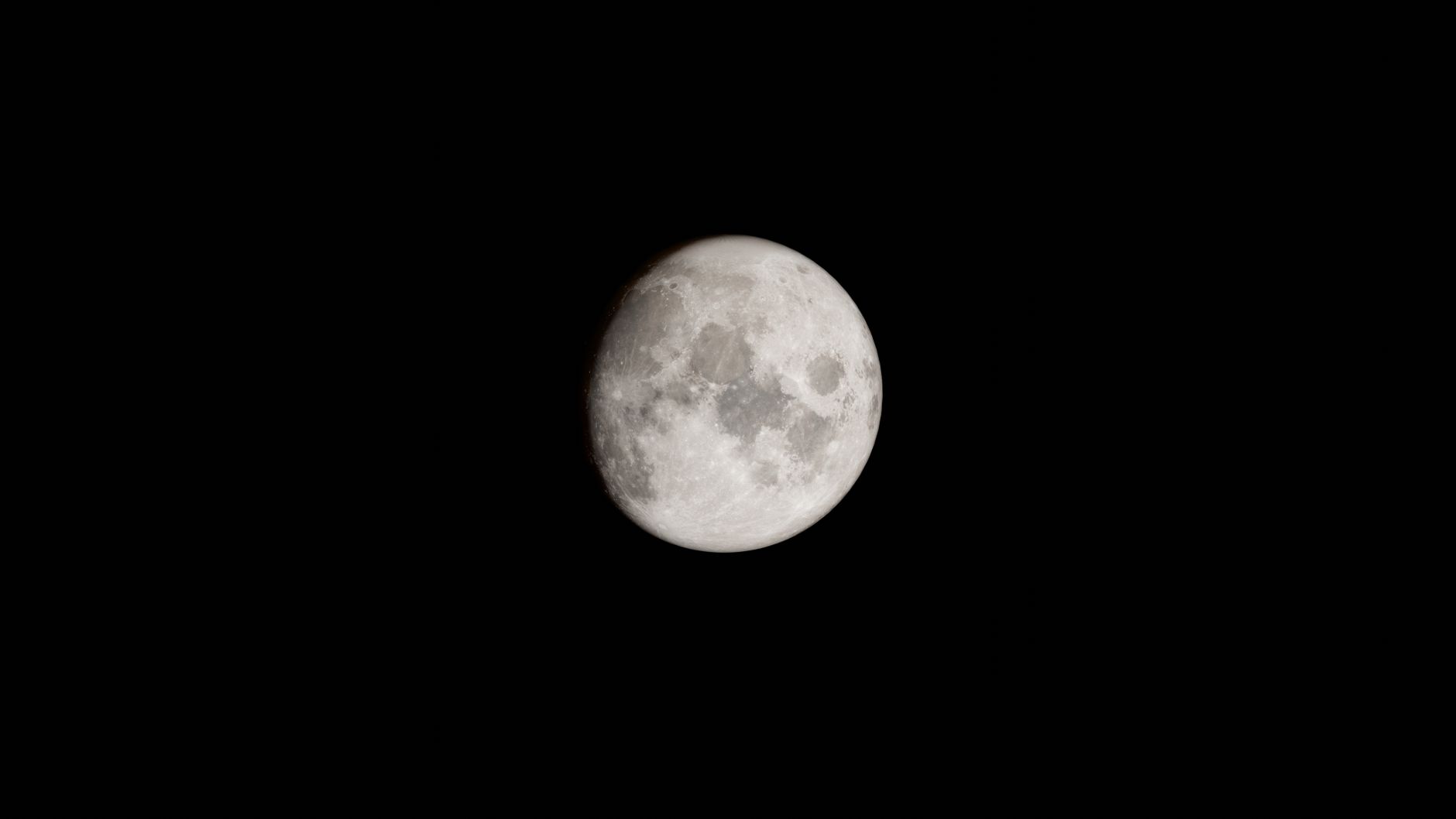
Chang’e 7 is not a single spacecraft. The mission packages four distinct hardware components into one launch: a lunar orbiter, a lander, a rover, and a small “mini-hopper” probe designed to bounce into hard-to-reach terrain. That fourth element is the unusual one – a hopping probe engineered specifically to investigate permanently shadowed craters near the Moon’s South Pole, where water ice is believed to exist in significant quantities. The mission was scheduled to lift off on a Long March 5 rocket, China’s heaviest operational launch vehicle.
The South Pole target is not incidental. Multiple space agencies, including NASA with its Artemis program, have prioritized the lunar south polar region precisely because of the water ice question. Ice means water, and water means oxygen and hydrogen – the raw materials for fuel and life support on long-duration missions. Whatever grounded Chang’e 7 on Sunday is happening in a particularly contested stretch of the space calendar.
The Long March 5 rocket that would have carried the mission has flown successfully before, most recently delivering the Tianwen-1 Mars mission in 2020 and the Chang’e 5 lunar sample return mission the same year. Whether the current delay is connected to the rocket, the spacecraft systems, or something in the ground infrastructure at Wenchang has not been disclosed. China’s space program historically releases technical post-mortems after anomalies, but rarely before a mission has attempted flight.
Reading Between the Lines of “Absolute Success”
The phrase “absolute success” carries specific weight in Chinese state space communications. It signals that the bar being applied is not just mission completion but total, unambiguous achievement – no partial credit, no salvaged objectives. For a mission of this complexity, with four interlocking hardware systems that must each function across the lunar surface, that standard creates a high threshold. One component failing a pre-launch systems check could, under that philosophy, halt the entire stack.
The announcement came on the same day the launch had been expected to begin. That timing – a public statement on the day of a window opening rather than days before – suggests the decision was made relatively late in the countdown process, though China has not confirmed how far into launch preparations the mission had advanced before the call was made.
2027 and the Broader Race to the South Pole
A delay to 2027 means Chang’e 7 slips into a window that overlaps with several other major lunar programs. NASA’s Artemis III crewed landing, currently targeting the South Pole region, has itself faced schedule pressure and is not expected before late 2026 at the earliest. India’s Chandrayaan-4 mission and Japan’s continued lunar activity also add traffic to the same general destination. The South Pole is no longer a remote scientific interest – it is where multiple governments and their contractors are now actively competing to establish a physical presence.
China’s broader Chang’e program has an established track record. Chang’e 4 achieved the first-ever soft landing on the far side of the Moon in January 2019. Chang’e 5 returned lunar samples to Earth in December 2020, making China only the third country to accomplish that feat. Chang’e 6, launched in May 2024, collected samples from the Moon’s far side – a first for any space program. Chang’e 7 was meant to be the next major step in that sequence, with Chang’e 8 intended to follow and begin testing resource utilization technology in preparation for a permanent lunar research station China aims to establish by 2035.
The 2027 window is not a catastrophic slip for that long-range schedule, but it compresses the timeline between Chang’e 7 and Chang’e 8, and it puts additional pressure on every subsequent milestone in the program. A two-year gap between what was planned and what is now possible is not a program-ender, but it is not a minor scheduling note either.
Chang’e 7’s mini-hopper probe – the component that has attracted the most engineering attention from outside observers – remains one of the more technically novel elements of any current lunar mission. Getting a device to make repeated, controlled hops across the surface of the Moon in low gravity, near permanently shadowed craters where temperatures drop below -200 degrees Celsius, is a problem no one has solved in hardware yet. Whether that subsystem is part of what “does not meet the conditions for launch” is exactly the kind of detail Beijing has chosen not to share.

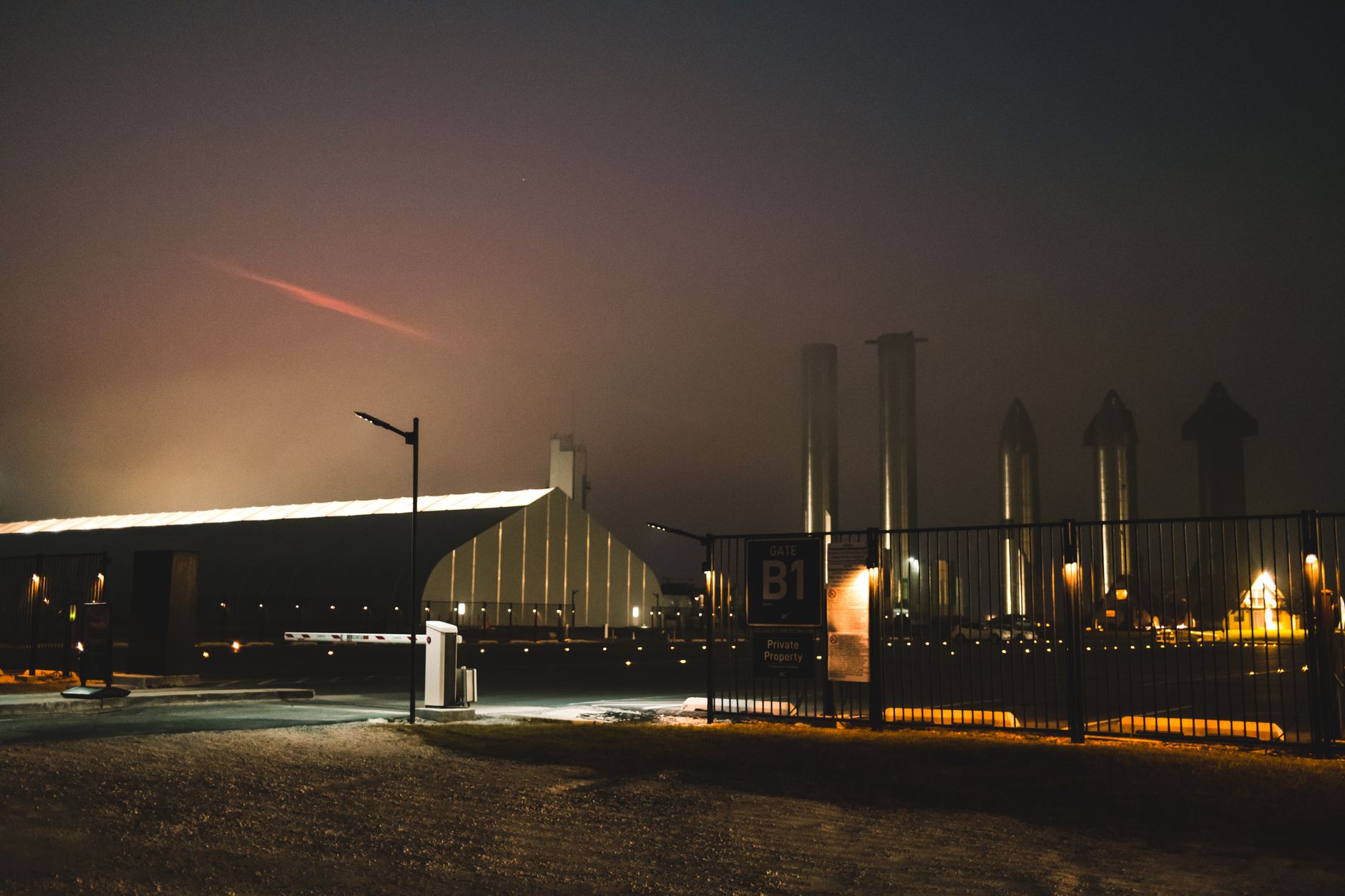
The Wenchang Space Launch Site, where the Long March 5 sits, is a facility that opened in 2016 specifically to handle the larger rocket class. It sits on Hainan Island, which allows rockets to launch over open ocean rather than populated land – a safety and trajectory advantage. The site handled China’s space station module launches and is central to the country’s deep-space ambitions. Whatever halted Chang’e 7 there on Sunday, the hardware is now looking at a minimum 18-month wait before it gets another opportunity to leave the ground.