




A Comedian Who Never Quite Left
David Wain has spent decades operating at a specific frequency of absurdist comedy – one that mainstream Hollywood has never fully known what to do with. The comedian and director built his reputation through the sketch group the State, and later through Wet Hot American Summer, a film that flopped on release and became a cult institution almost entirely through word of mouth and the sheer loyalty of the people who found it. Now, eight years after his last feature, he has made a new film – a stretch of time long enough to signal either difficulty or deliberation, and in Hollywood, it is often both.
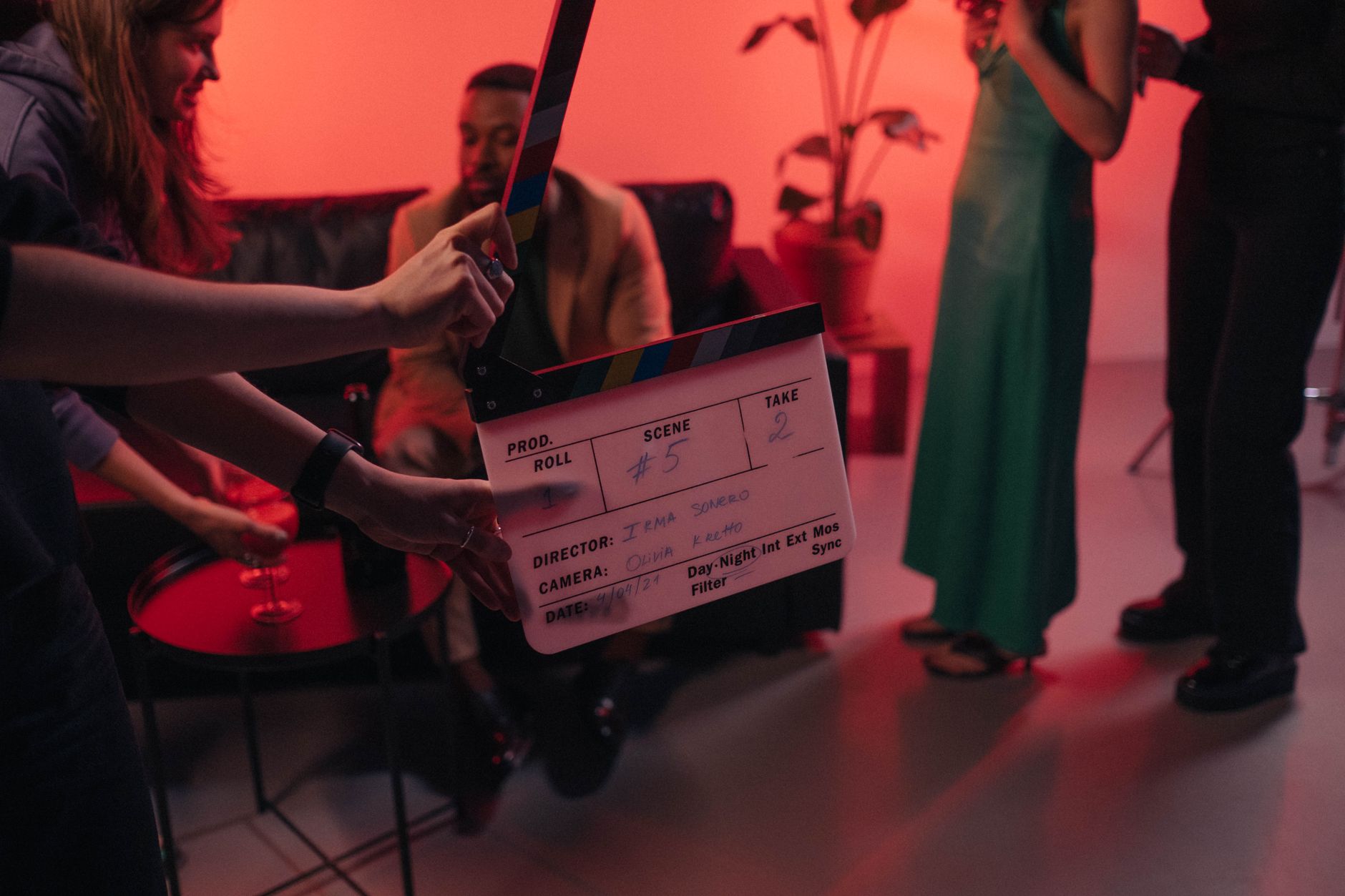
The gap between films is not incidental. It reflects something specific about where original comedy sits inside the current studio system – which is to say, mostly outside it. Wain spoke with The New Yorker about the process of making this latest project, about the State’s long shadow over American alternative comedy, and about what it actually costs to bring a genuinely original comedic vision to screen when the industry’s appetite for that kind of risk has narrowed considerably.
Eight years is a long time to wait between films when you are a working director.
The State and What It Built
The State – the sketch comedy group Wain came up through – produced a particular kind of comedian. The group’s sensibility was aggressively weird in ways that were not simply random, but structured around a very precise understanding of how comedy could subvert its own mechanics. That training left a visible mark on every project Wain has directed. Wet Hot American Summer did not just parody the summer camp movie genre; it dismantled the internal logic of how those films expected audiences to follow and care about characters, then rebuilt something stranger and funnier in its place.
The film’s journey from commercial failure to beloved artifact is, at this point, a well-documented story in independent comedy. It was released in 2001 and barely registered at the box office. Over the following years, it accumulated a devoted audience that eventually justified a Netflix prequel series in 2015 and a follow-up series in 2017 – both of which reassembled much of the original cast, including Amy Poehler, Paul Rudd, Bradley Cooper, and Elizabeth Banks, all of whom had become significantly more famous in the intervening decade. The series format gave the material room to stretch, but the original film’s compressed, anarchic energy remained the source that everything else fed from.
Wain has never made the move toward more commercially legible work that some of his contemporaries have. The decision, whether strategic or temperamental, has kept him working in a register that his most dedicated audience recognizes immediately – and that has also kept him outside the machinery that produces films at scale and speed.
Original Comedy and the Bleak Landscape
The phrase “bleak landscape” is Wain’s own characterization of Hollywood’s current relationship with original comedy. It is not an eccentric observation. Studio investment in original comedy – meaning comedies that are not sequels, not adaptations, not extensions of existing IP – has contracted sharply over the past decade as streaming platforms restructured how content gets funded, distributed, and measured. The metrics that determine whether something gets made now depend heavily on projected audience size before a frame has been shot, and original comedy from a filmmaker with a cult following does not produce numbers that make those calculations easy.
This is the environment in which Wain spent eight years getting his new film made. The specific challenges he describes are not unusual for filmmakers working at this level – financing that falls through, development cycles that stretch, the difficulty of protecting a comic vision through rounds of notes from people whose primary concern is marketability. What makes Wain’s situation particular is that his work has never been designed for broad palatability in the first place. The comedy he makes requires an audience willing to follow it somewhere unfamiliar, and finding institutional support for that kind of ask has become structurally harder.
The irony is that the audience for exactly this kind of comedy exists and has demonstrated its loyalty repeatedly. The Wet Hot American Summer fan base kept that film alive without any studio support, through tape trading and early internet enthusiasm, years before Netflix arrived to make the reunion financially viable. That loyalty is real, measurable, and bankable – and it still did not make it straightforward for Wain to get his next project financed inside a system that has grown more risk-averse even as streaming has expanded the total volume of content being produced. More content has not meant more willingness to fund the genuinely strange.
The Cost of Working at the Edge
What Wain’s career demonstrates, across the State, across Wet Hot American Summer, and across the eight-year gap that preceded this new film, is that a certain kind of comedy exacts a specific professional cost. It does not prevent careers – the State alumni collectively account for an enormous portion of American comedy’s last thirty years, and Wain himself has directed television and film consistently throughout. But it does mean working against institutional gravity rather than with it, which is slower and more expensive in terms of energy, time, and in some cases, the films that do not get made at all.
There is also something worth noting about the broader pattern of artists who built their reputations in forms that resist easy commercial translation – the long gaps, the cult followings that substitute for mainstream reach, the way that institutional support arrives late if at all. Wain’s situation rhymes with that pattern without being identical to it. Comedy has different economics than literary fiction, but the underlying tension between original vision and institutional appetite operates by similar logic.
In the New Yorker interview, Wain discusses all of this – the State, the new film, the eight years, the landscape – with the kind of specificity that comes from having lived inside the problem rather than observed it from a distance. The new film exists now. What it took to get it made, and what that says about where original comedy can actually survive inside the current system, is the more persistent question.
Whether Hollywood makes room for another one eight years from now is something only the receipts will answer.