




A Craft Table Donation Gone Wrong
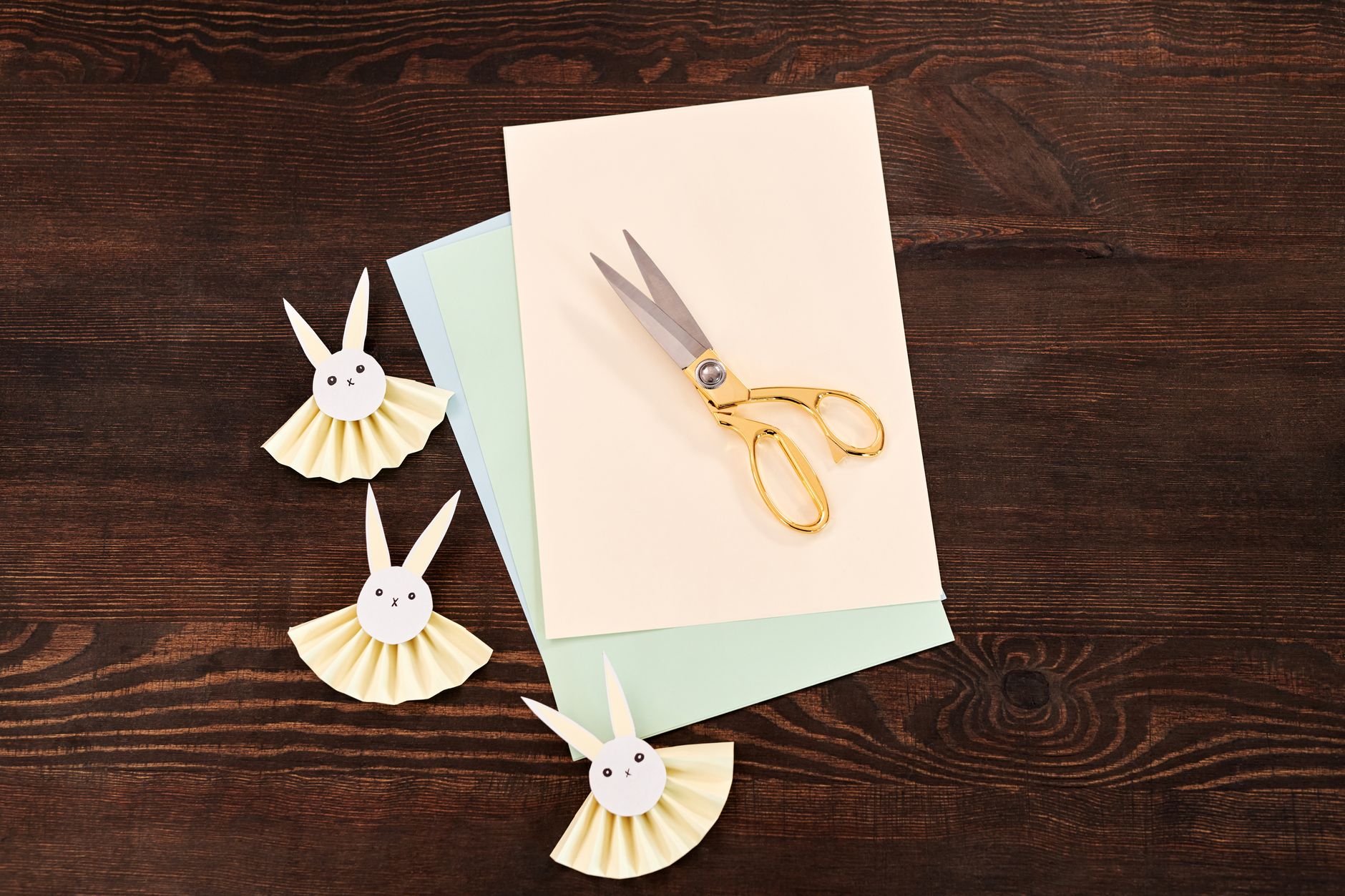
Somewhere in Merseyside, a hobbyist who makes paper animals from donated books has spent a difficult weekend explaining himself to police. His offence: gifting handmade paper hedgehogs to local children, at least some of which had been folded from pages of Nicholson Baker’s 1994 erotic novel The Fermata – a book whose content sits at considerable distance from appropriate children’s fare. The story, first reported by The Guardian, has the particular texture of a mishap that could only happen to someone genuinely trying to be nice.
The crafter, who has not been publicly identified, typically assembles his “little creations” from books donated for the purpose, often to raise money for charity. Handing them out to neighbourhood children was, by all available accounts, an extension of the same goodwill. When parents looked more closely at what their children were holding, some of them were horrified. Passages referencing murder and the age of consent were folded into the bodies of small decorative animals and placed in the hands of four-year-olds.
What The Fermata Actually Is
Baker’s novel is not obscure to anyone who follows literary controversy. Published in 1994, it follows a sexual voyeur named Arno Strine who discovers he has the ability to stop time – a premise he uses to undress and fondle women who are unaware of his presence. Michele Slung, reviewing the book for The New York Times that same year, described it as “a sort of boys’ own horrid adventure of fondling the forbidden flesh of insensate maidens.” Critics Tom Bissell and Adam Mars-Jones, writing around the time of the novel’s release, argued that The Fermata maps something close to pubescent male sexuality – an arrested fantasy of power and access with no consequences attached.
The book was alternately praised and dismissed as “an X rated sci-fi fantasy.” That split reception is itself telling: there is a version of Baker’s project that reads as unflinching literary provocation, and another that reads as wish fulfillment dressed in prose. Neither version belongs in a paper hedgehog given to a child at a community event.
The crafter told Merseyside police he was mortified when he understood what had happened. His account – that he normally checked pages before using them – suggests the Fermata pages slipped past a process that usually caught this sort of thing. Whether the donated book was shelved spine-out among more innocent titles, or whether someone slipped it into a donation pile without thinking, nobody has said publicly. What is clear is that Merseyside police considered the matter and, apparently satisfied with the explanation, did not pursue it further.
The situation settled quickly in part because counter-evidence arrived almost immediately. A four-year-old girl received one of the crafter’s hedgehogs assembled from pages of Rosemary Enright’s The Walled Garden – a substantially tamer romance novel. Her parent told reporters they did not believe there was “any malicious intent.” That testimony, combined with the crafter’s distress, seems to have shifted the incident from suspected impropriety to confirmed accident.
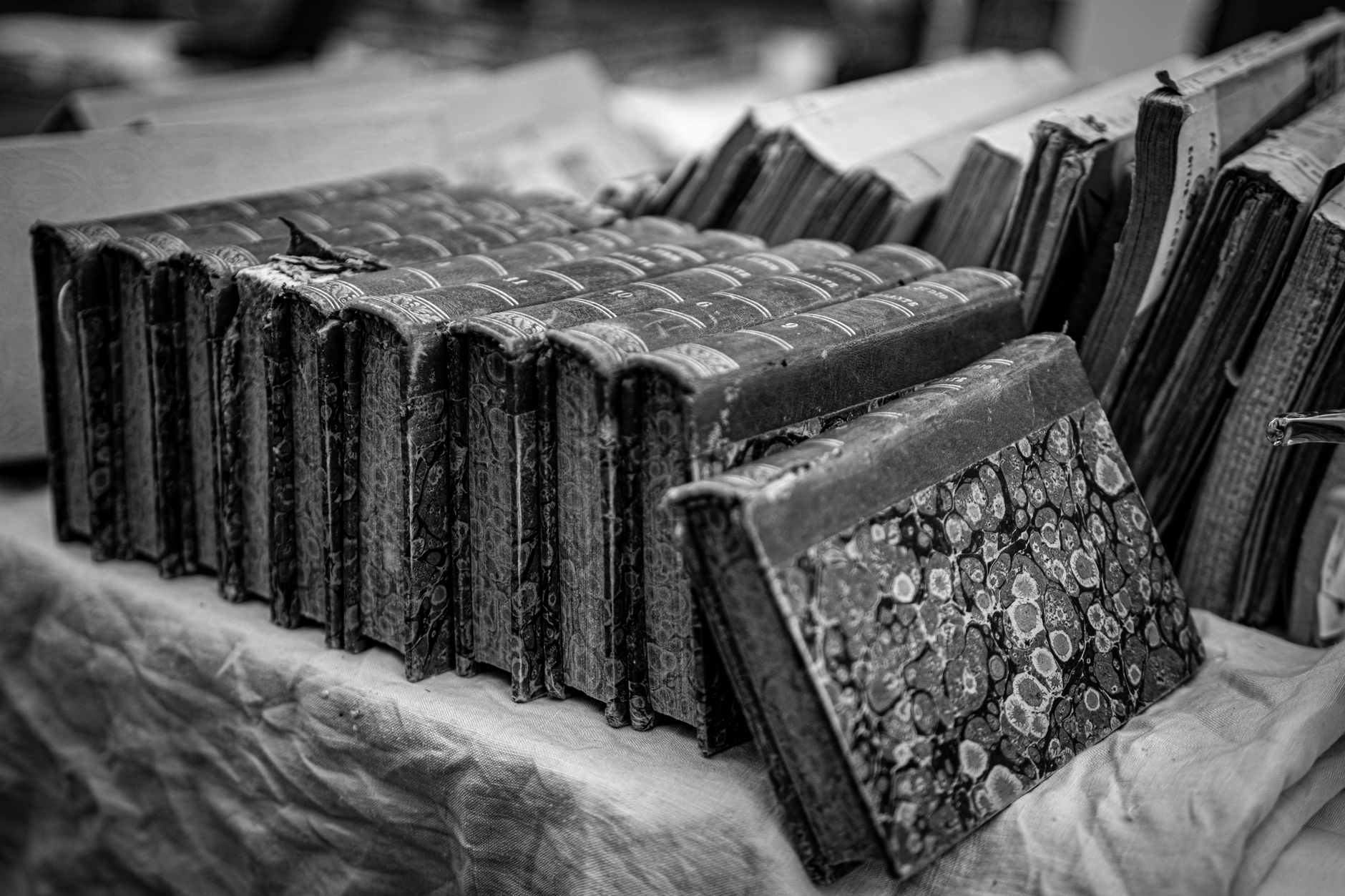
The Book Itself Has a Long Record of Making People Uncomfortable
It is worth noting that The Fermata has been generating discomfort since before it was folded into wildlife.
Baker made his name writing fiction that was formally inventive and concerned with small, granular observations – the experience of a lunch break in The Mezzanine, the texture of a phone conversation in Vox. The Fermata arrived as an escalation: the same obsessive attention to physical detail applied to explicit sexual fantasy. For readers who admired Baker’s precision, the novel was either a natural extension of his method or a demonstration of what that method looks like when pointed at something deeply uncomfortable. The voyeuristic premise – stopped time as a mechanism for violation with no victim who can object – is not softened by the quality of the sentences surrounding it.
Craft, Charity, and the Limits of Vetting Donations
There is a mundane infrastructure problem at the heart of this story. Charity crafters who work from donated materials are, by design, processing books they did not choose. A donation box outside a church hall or community centre will contain whatever someone decided to clear off their shelves – Enright alongside Baker, cozy romance alongside literary erotica, volumes chosen by people who may not have thought carefully about where they were going. Checking every page of every donated book before cutting it into a hedgehog is a reasonable precaution, and apparently one this crafter normally took.
The incident sits in that particular category of embarrassment where no one behaved badly and yet the outcome was genuinely inappropriate. A parent picking paper animals out of their child’s coat pocket and reading about the age of consent is not overreacting. A crafter who has been making charity crafts without incident and missed one book is not a predator. The gap between those two true statements is where all the discomfort lives.
Some observers have noted, with the tone of people trying to find a silver lining, that this kind of notoriety could in theory become a marketing angle – Fermata-based hedgehogs aimed, as it were, at a more adult demographic. Bissell and Mars-Jones’s point that the novel captures an essentially adolescent male fantasy does suggest a readership: specifically, the graduation-gift market, where the joke would at least land among people old enough to get it. The crafter, one suspects, would rather his paper animals go back to being anonymous and benign.

Somewhere in Merseyside, there is almost certainly a donated copy of The Fermata still in a pile, waiting to become something else entirely.