




The luxury consignment market has exploded from a niche industry to a mainstream shopping destination, with platforms like The RealReal, Vestiaire Collective, and Rebag reporting record-breaking growth rates. What started as grandmothers selling vintage Chanel has evolved into a sophisticated marketplace where authenticated designer pieces trade hands like commodities. The driving force? A growing consumer revolt against fast fashion’s environmental destruction and quality compromises.
Young consumers increasingly view pre-owned luxury as both an ethical statement and smart investment. Gen Z and millennials are abandoning mall brands for authenticated vintage Hermès, pre-loved Gucci, and carefully curated designer wardrobes that tell stories beyond seasonal trends.
The Numbers Behind the Luxury Resale Revolution
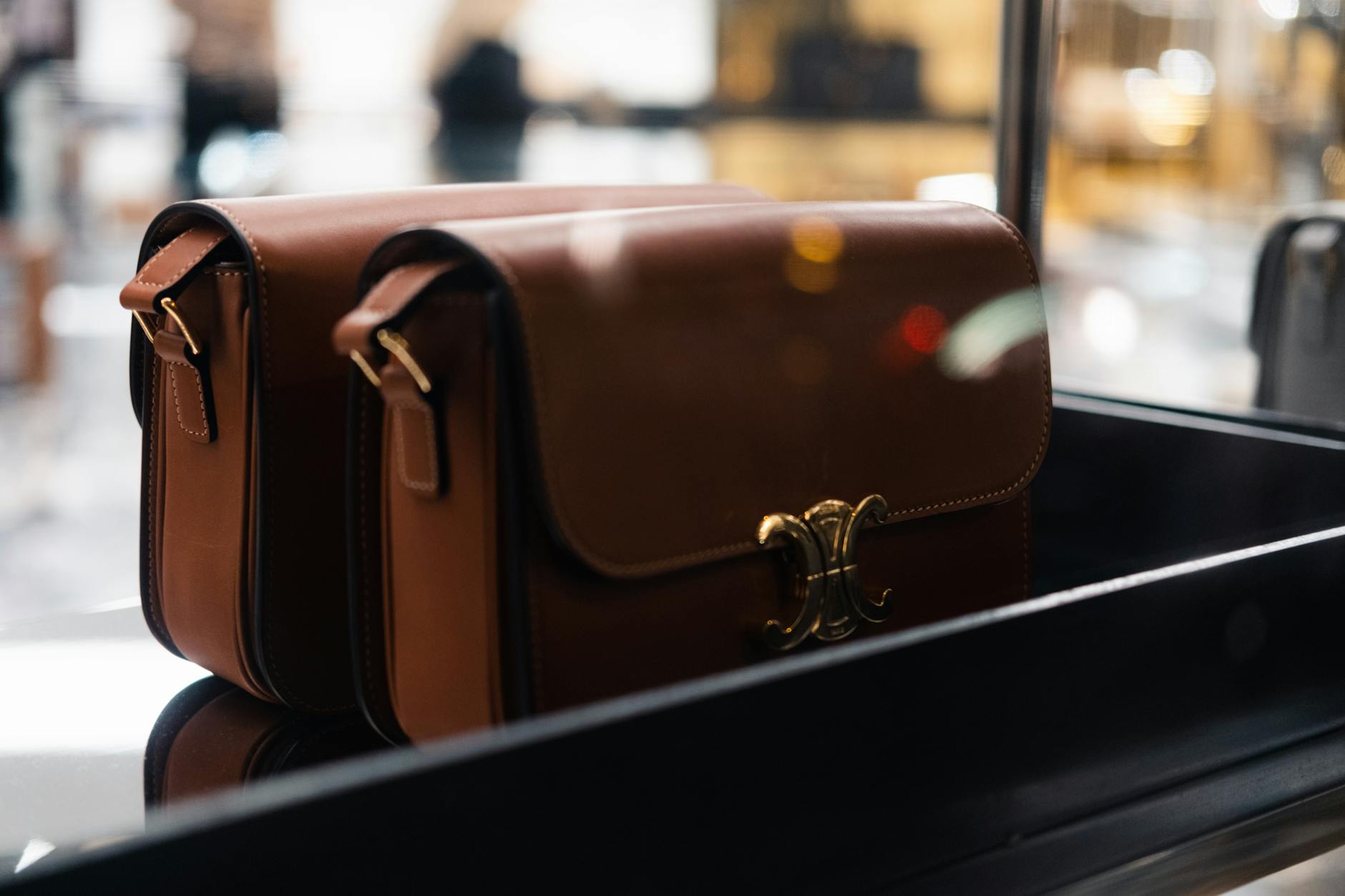
The global luxury resale market reached an estimated value of over $24 billion in 2023, with projections suggesting it could hit $77 billion by 2030. The RealReal, one of the industry’s largest players, processes thousands of items weekly through its authentication centers, while newer platforms like Fashionphile and Rebag have carved out specialized niches in handbags and accessories.
Traditional department stores have taken notice. Nordstrom partnered with luxury consignment platform See You Tomorrow, while Neiman Marcus acquired luxury resale site Fashionphile for a reported $200 million. These moves signal that established retailers recognize consignment isn’t competing with luxury retail-it’s expanding it.
The authentication technology driving this growth has become increasingly sophisticated. Companies now employ teams of experts who can spot fake hardware, stitching inconsistencies, and material differences that separate authentic pieces from counterfeits. Some platforms use AI-powered image recognition alongside human expertise to verify authenticity at scale.
Celebrity endorsements have also fueled mainstream acceptance. Stars like Olivia Wilde, Emma Watson, and Gigi Hadid regularly wear vintage and consigned pieces on red carpets, normalizing pre-owned luxury for their millions of followers.
Fast Fashion’s Environmental Reckoning Drives Change
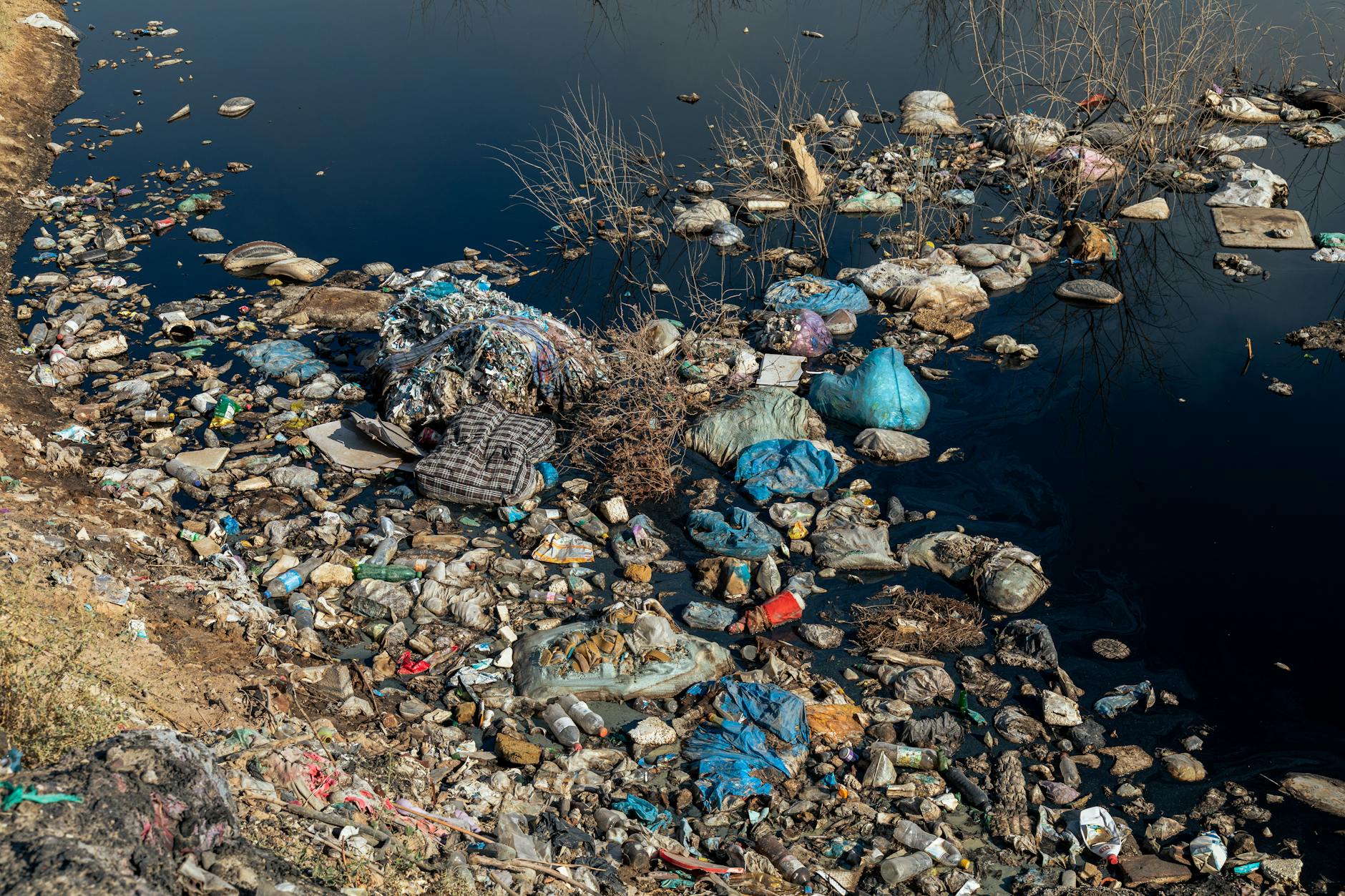
The fashion industry produces an estimated 92 million tons of textile waste annually, with fast fashion brands churning out new collections weekly rather than seasonally. Documentary films like “The True Cost” and social media campaigns highlighting garment worker conditions have educated consumers about fashion’s hidden environmental and social costs.
Microplastics from synthetic clothing now contaminate oceans, while textile dyeing ranks as the world’s second-largest polluter of clean water. Young consumers increasingly connect their shopping choices to climate action, viewing luxury consignment as a way to access quality pieces without contributing to overproduction.
The quiet luxury trend has also shifted consumer preferences toward timeless, well-made pieces over logo-heavy statement items. This aesthetic perfectly aligns with consignment shopping, where vintage Loro Piana cashmere and understated Bottega Veneta pieces command premium prices.
Social media platforms like Instagram and TikTok showcase “outfit of the day” posts featuring thrifted and consigned finds, with hashtags like #secondhandstyle and #vintageootd generating millions of views. Influencers regularly share their consignment hauls, demonstrating how to style pre-owned pieces in contemporary ways.
Quality Over Quantity Reshapes Shopping Habits
The average fast fashion garment is worn only seven times before disposal, while a quality designer piece can last decades with proper care. Luxury consignment appeals to consumers who prefer building capsule wardrobes with versatile, durable items over constantly refreshing their closets with disposable fashion.
Investment potential adds another layer of appeal. Certain designer handbags, particularly limited editions from Hermès, Chanel, and Louis Vuitton, often appreciate in value over time. Savvy consignment shoppers track which pieces hold or increase their worth, treating fashion purchases as financial investments rather than just aesthetic choices.
The ritualistic aspect of consignment shopping also appeals to consumers tired of mindless fast fashion consumption. Finding the perfect vintage coat or authenticated vintage bag requires patience, knowledge, and curation skills that make purchases feel more meaningful than clicking “add to cart” on mass-produced items.
Online platforms have democratized access to luxury consignment beyond major cities. Rural consumers can now browse authenticated Gucci from their homes, while urban shoppers can access pieces from international sellers they’d never encounter locally.
Technology and Authentication Drive Market Trust
Consumer confidence in online luxury consignment depends entirely on authentication accuracy. Companies invest heavily in training authenticators who understand construction techniques, materials, and historical details that distinguish genuine pieces from sophisticated fakes.
Blockchain technology is beginning to play a role in creating permanent authentication records for high-value items. Some companies are exploring digital certificates that travel with luxury goods throughout their ownership history, creating permanent provenance records.

Mobile apps have streamlined both buying and selling processes. Users can photograph items for instant price estimates, schedule home pickups, and track their consignments through the entire selling process. The convenience factor has attracted sellers who previously found consignment too cumbersome.
Virtual reality and augmented reality features help online shoppers better understand item conditions and sizing before purchasing. These technologies bridge the gap between physical inspection and digital shopping, reducing return rates and increasing customer satisfaction.
The Future of Sustainable Luxury
As environmental consciousness continues growing and younger consumers gain more spending power, luxury consignment seems positioned for sustained growth. Major fashion houses are beginning to embrace the circular economy, with some launching their own authenticated resale programs rather than viewing consignment as competition.
The success of luxury consignment may also pressure fast fashion brands to improve their quality and sustainability practices. As consumers become accustomed to pieces that last decades, the throwaway culture that built fast fashion’s business model becomes increasingly unsustainable.
New technologies will likely continue improving the authentication and shopping experience, while expanding global access to luxury consignment markets. The future of fashion increasingly looks circular rather than linear, with quality pieces cycling through multiple owners rather than ending up in landfills after a few wears.
Frequently Asked Questions
Why is luxury consignment growing so rapidly?
Environmental concerns about fast fashion, desire for quality pieces, and investment potential drive consumers toward authenticated pre-owned luxury goods.
How do luxury consignment platforms ensure authenticity?
Expert authenticators examine construction, materials, and details while some platforms use AI-powered recognition alongside human expertise to verify genuine pieces.