





When Pounding the Pavement Starts Pounding Back
There’s a version of fitness culture that treats suffering as proof of effort – the harder the run, the louder the HIIT class, the more punishing the workout, the better. Sports medicine physicians, physical therapists, and exercise physiologists have spent years quietly pushing back against that logic. The joints don’t care about your dedication. They care about load, repetition, and recovery time. And for a growing number of people – whether returning from injury, managing chronic pain, or simply aging past the point where their knees forgive them – low-impact cardio isn’t a compromise. It’s the smarter architecture.
What separates low-impact from low-effort is worth clarifying before anything else. Low-impact means one foot stays on the ground, or your body is fully supported, at all times – eliminating the repetitive landing forces that accumulate over miles and sessions. It does not mean easy. Cardiovascular demand, caloric burn, and muscular endurance can all match or exceed their high-impact equivalents when intensity is dialed in correctly. The five options below come recommended by professionals across sports medicine, physical therapy, and exercise physiology – each chosen for specific mechanical and physiological reasons.

Swimming: The Option That Removes Gravity From the Equation
Water does something no land-based exercise can replicate: it offloads the skeleton almost entirely. Buoyancy reduces effective body weight by up to 90 percent depending on depth, which means the cardiovascular system can work hard while the spine, hips, knees, and ankles absorb almost nothing. That property is why sports medicine physicians consistently recommend swimming to patients who cannot tolerate weight-bearing activity – post-surgical recovery, acute arthritis flares, stress fractures – but it’s equally valid for healthy people who want high-volume training without cumulative joint stress.
The muscular demand of swimming is also frequently underestimated. Freestyle, backstroke, and butterfly recruit the lats, shoulders, core, and hip flexors simultaneously, producing full-body muscular endurance work that most cardio machines don’t approach. The breathing discipline required – exhaling into water, timing strokes, managing rhythm under exertion – adds a cognitive layer that runners and cyclists don’t encounter. For people who find steady-state cardio mentally flat, swimming tends to hold attention differently. The one barrier is access. Not everyone lives near a pool, and lap swimming requires technique that takes time to develop. But for those who can commit to it, the joint-to-output ratio is essentially unmatched.
Cycling: Controlled Load, Adjustable Intensity
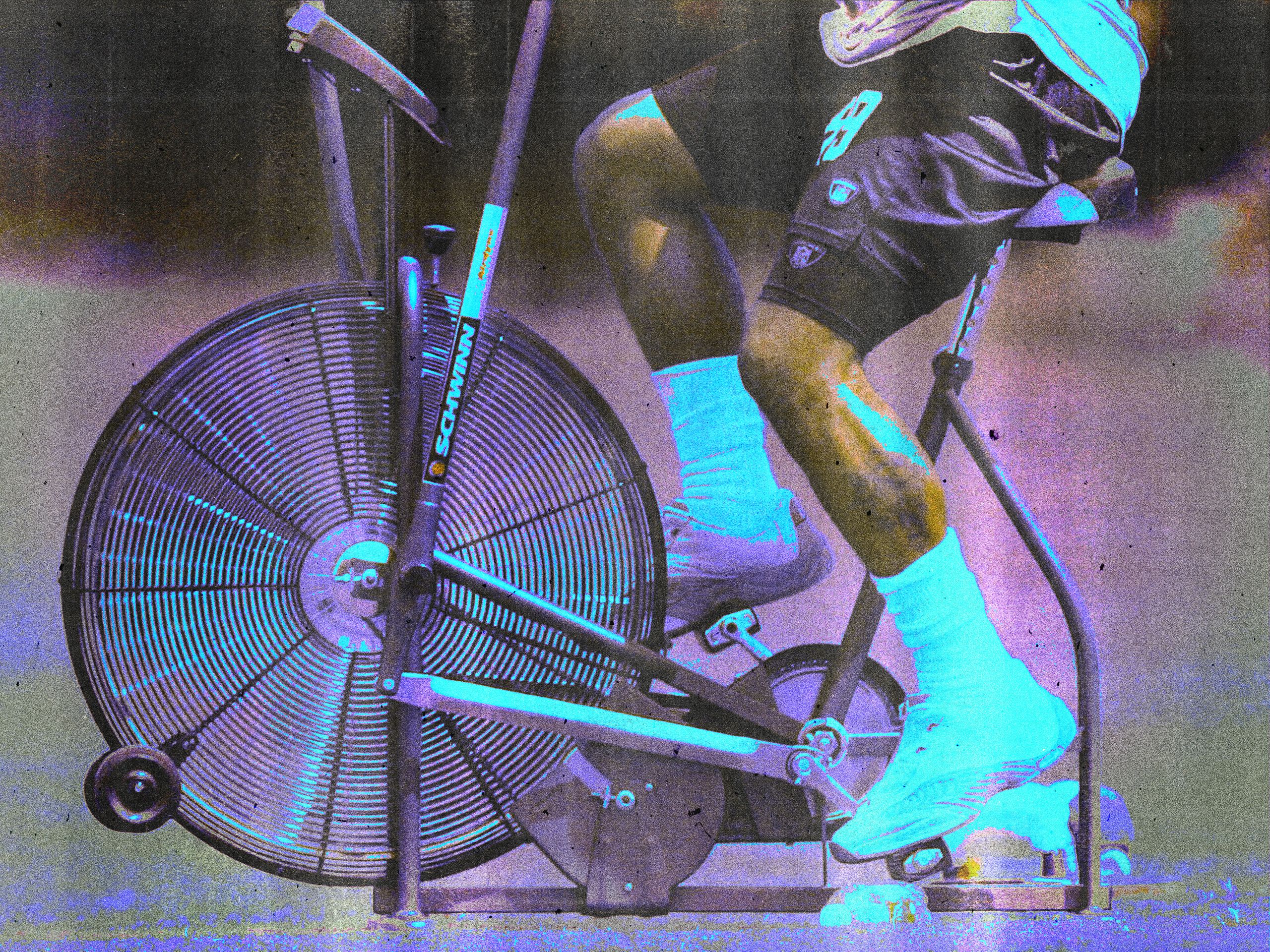
Stationary and outdoor cycling both qualify as low-impact because the body remains seated and supported through the pedal stroke, removing vertical ground reaction forces entirely. The knee does flex repeatedly under load, which matters for people with specific patellar conditions, but for most joint-related concerns, cycling is well tolerated even at high intensities. Exercise physiologists point to cycling’s adjustability as one of its defining strengths – resistance, cadence, and duration can all be modulated session to session based on how the body is responding.
Spin classes and structured indoor programs like Peloton have put cycling in front of a much wider audience over the last decade, which has had a measurable effect on consistency. People who find solo cardio tedious are more likely to sustain cycling when it’s embedded in a group format with music and coaching. Outdoor cycling adds the variable of terrain, which increases stabilizer muscle recruitment and changes the mental experience entirely. Both formats are legitimate. The key physiological advantage over walking – the other most commonly recommended low-impact option – is that cycling allows heart rate elevation without requiring the individual to move their own body weight through space, which matters for people managing obesity or significant lower-body joint degeneration.
Road and trail cycling also expose the cardiovascular system to longer continuous efforts than most gym-based options allow. A two-hour outdoor ride at moderate resistance produces aerobic adaptation that a 45-minute treadmill session cannot. Duration is part of the training stimulus, and cycling’s comfort over extended periods makes those longer efforts accessible in a way that running rarely is.
One underused application of cycling is active recovery. On days following heavy resistance training, a 20-to-30-minute low-resistance spin session promotes blood flow to worked muscles without adding mechanical stress. Physical therapists frequently prescribe exactly this – not for cardio gains, but for recovery acceleration. It’s a use case that most gym-goers overlook entirely.
Elliptical Training: The Compromise Machine That Actually Works
The elliptical gets dismissed in serious training circles, usually by people who haven’t used one correctly. At low resistance with a passive stride, it barely elevates heart rate. But pushed to high resistance with an aggressive cadence, it taxes the cardiovascular system as effectively as running while producing a fraction of the ground impact. The stride pattern mimics running mechanics – hip flexion, knee drive, push-off – without the airborne phase that makes running hard on joints. For people transitioning back from lower-body injuries, the elliptical allows neuromuscular patterns to be maintained while tissue heals.
Most elliptical machines also include moving arm handles, which converts the session into a full-body effort. Pushing and pulling through the arms while driving the legs recruits the chest, back, and shoulders alongside the glutes and quads, increasing total caloric expenditure and distributing effort across more muscle mass. Exercise physiologists note that this distribution reduces the localized fatigue that causes people to stop – the legs aren’t working alone, so sessions can run longer before the point of failure. For people whose primary goal is sustained cardiovascular work over 45 to 60 minutes, the elliptical is one of the more practical tools available in a standard gym.
Rowing: The Full-Body Option Most People Skip
Rowing machines are chronically underused in commercial gyms, partly because the technique barrier discourages casual users and partly because rowing culture remains niche outside competitive athletics. That’s a practical loss. A properly executed rowing stroke – legs drive first, then hips hinge back, then arms pull – engages approximately 86 percent of the body’s muscle mass in a single motion, producing a cardiovascular and muscular demand that few other machines approach.
Because the body remains seated throughout, there is zero impact on the ankles, knees, or hips in the way that running produces it. The lower back requires attention – poor technique, specifically rounding the lumbar spine under load, can create strain over time – but with basic coaching, rowing is appropriate even for people with knee and hip issues that rule out other options. Physical therapists working with older adults or post-surgical patients increasingly use rowing ergometers as a rehabilitation tool, not just a fitness one. Short intervals on a rowing machine – 20 seconds on, 10 seconds off, repeated for 8 rounds – produce the same metabolic disruption as sprint-based running programs without any of the landing stress. Supporting cardiovascular health through recovery and nutrition compounds the gains that sessions like these create.
Walking: Underrated, Accessible, and Surprisingly Demanding

Walking is the option that gets the least respect and probably deserves the most. It requires no equipment beyond footwear, no technique learning curve, and no gym membership. It is weight-bearing – which differentiates it from swimming and cycling – and that distinction matters for bone density. Regular walking maintains skeletal loading that purely non-weight-bearing activities cannot provide, which is a significant consideration for women over 40 and anyone with osteoporosis risk factors.
The physiological case for walking is more substantial than its reputation suggests. Studies consistently show that daily walking – specifically, sessions long enough to sustain moderate heart rate elevation – reduces cardiovascular disease risk, improves insulin sensitivity, and supports mental health outcomes comparable to more intense exercise forms. Adding incline, whether on a treadmill or outdoor terrain, dramatically increases cardiovascular demand and posterior chain recruitment without changing the impact profile. A 15-percent incline walk at 3.5 miles per hour is a genuinely difficult workout for most people. The question isn’t whether walking “counts.” It does. The question is whether the person doing it is walking long enough, and hard enough, to produce a meaningful training stimulus – and most people aren’t.