



The Man Behind the Mystique
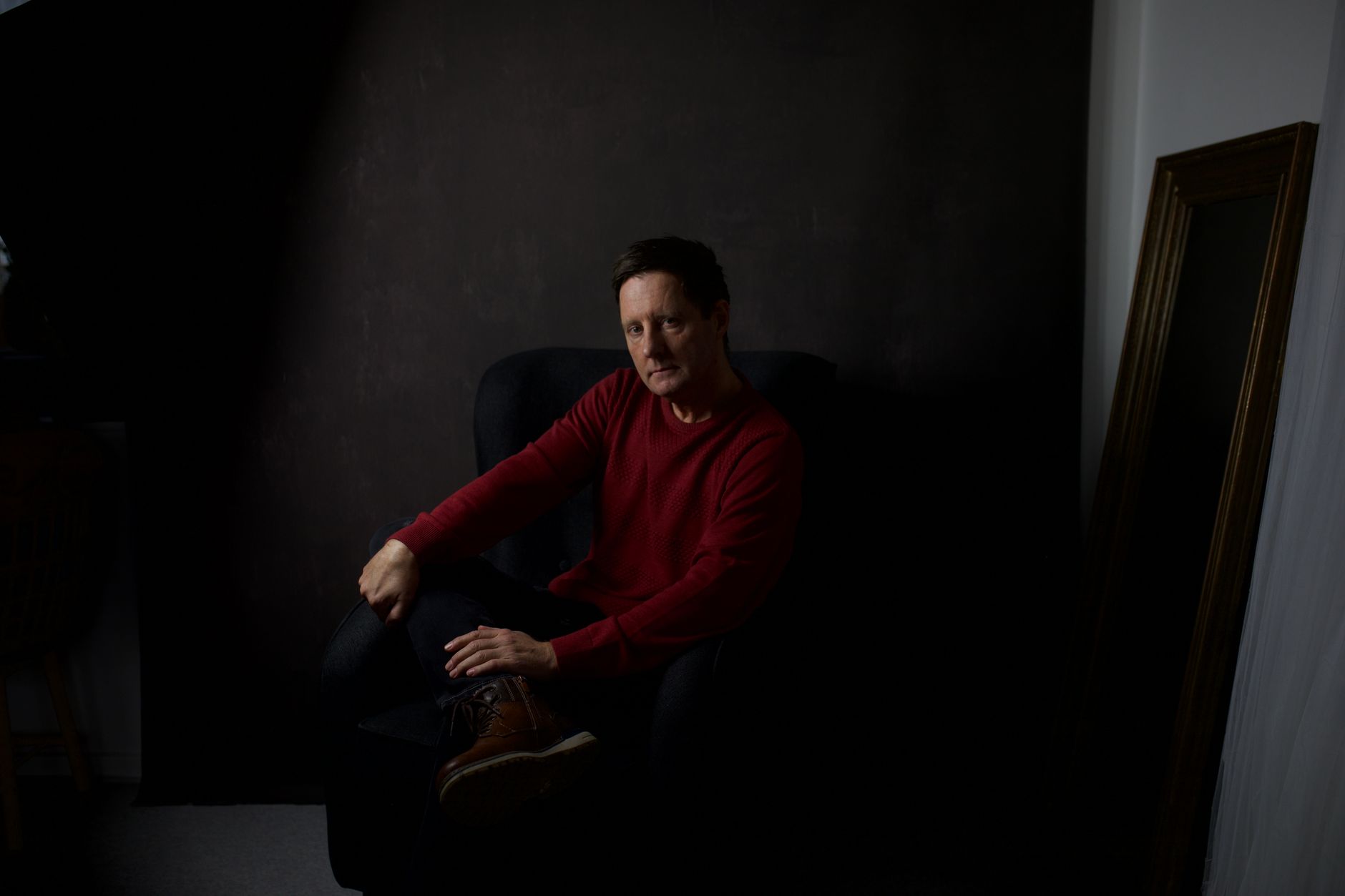
Kyle MacLachlan has spent four decades playing men who exist just slightly outside the normal frequency of human behavior – FBI agents who dream of cherry pie, vault dwellers blinking into post-apocalyptic light, a duke’s son absorbing the weight of an entire desert planet. Yet the actor himself, when pressed, describes his origins with a kind of cheerful plainness that almost reads as a punchline: he is, by his own account, a regular guy from Yakima.
That tension – between the darkness he gravitates toward on screen and the unremarkable Pacific Northwest upbringing that shaped him – is the loose thread GQ’s Zach Baron pulled on in the latest episode of the magazine’s weekly interview series, One More Question.
It’s a good thread.
Typecasting, Ambition, and the Weight of a Long Career
MacLachlan’s filmography is the kind that actors either fight their entire careers to build or spend their entire careers trying to escape. He is, at this point, indelibly associated with a very specific aesthetic register – one defined largely by his long creative partnership with David Lynch. Twin Peaks made him a cult figure. Blue Velvet made him something stranger. The relationship with Lynch, which MacLachlan addresses directly in the interview, has had its own arc of ups and downs over the decades, shaped by the ordinary friction that comes from any long friendship doubled with a professional one.
The question of typecasting follows naturally from that history. When your most recognizable work lives inside the surreal, the gothic, and the deeply strange, Hollywood’s instinct is to keep sending you back there. MacLachlan, to his credit, seems to have made a kind of peace with it – not passive resignation, but something more like a genuine reckoning with what he is drawn to and why. He describes himself as someone pulled toward darkness, which is a useful thing to acknowledge when your most iconic role involves walking through a small-town murder mystery that was never really about the murder.
What’s interesting is that Yakima – a mid-sized agricultural city in Washington State better known for apples and hops than for noir – doesn’t obviously explain any of it. MacLachlan doesn’t offer a clean origin story for his appetite for the uncanny, and that absence of explanation is, in a way, more honest than most actors manage.

Dune Then, Dune Now, and the Question of Legacy
The One More Question conversation also covers MacLachlan’s role in Denis Villeneuve’s Fallout – which brought him a new generation of viewers – and something more personally interesting: the comparison between the 1984 David Lynch adaptation of Dune, in which MacLachlan played Paul Atreides, and the Villeneuve films that have since redefined how that story gets told on screen. It’s a question designed to put an actor in an uncomfortable position, and MacLachlan navigates it with the kind of candor that comes from not having anything particularly fragile left to protect.
The Lynch Dune has always occupied an odd place in film history – commercially unsuccessful on release, creatively contentious, and now something of a cult artifact that people defend with unusual passion. Timothee Chalamet’s Paul Atreides and MacLachlan’s are separated not just by forty years of filmmaking technology but by entirely different philosophies of adaptation. Lynch’s version wore its weirdness like a badge; Villeneuve’s is austere and committed to a kind of visual grandeur that Lynch, famously, wasn’t particularly interested in.
MacLachlan’s willingness to engage with that comparison directly – rather than deflecting into vague diplomacy – says something about where he sits in his career. Ambition, he suggests in the interview, looks different at different points in a life. At this stage, the more interesting question isn’t what roles he wants but what the accumulated body of work actually means.
Style and the Architecture of a Long Strange Career
There is a style dimension to MacLachlan that often goes unremarked – not fashion in the narrow sense, but the way an actor’s presence and self-presentation calcify into something recognizable over time. MacLachlan has always dressed well without making it a statement, carried himself with a kind of contained ease that suits the roles he takes, and aged in a way that seems less like a concession to time and more like a natural extension of the persona. The regular guy from Yakima and the man drawn to darkness are not, it turns out, mutually exclusive – they’ve just been coexisting productively for forty years inside the same frame, the same measured delivery, the same slightly watchful eyes. Grooming, presence, and the quiet signals a man sends with his appearance accumulate into something legible over decades, and MacLachlan’s version of that legibility is very specific: not threatening, not safe, never quite either.
The full conversation with Zach Baron is available through GQ’s One More Question series.
Whether Yakima gets any credit for the darkness is still an open question.