





The Handshake That Tells on You
There is a particular kind of embarrassment reserved for the moment a jar lid wins. You twist, you brace, you try again with a dish towel, and eventually you hand it to someone else. It is a small moment, easy to laugh off, but it points to something trainers and physical therapists have understood for years: grip strength is not a vanity metric. It is a functional one, and most people are losing ground on it without realizing.
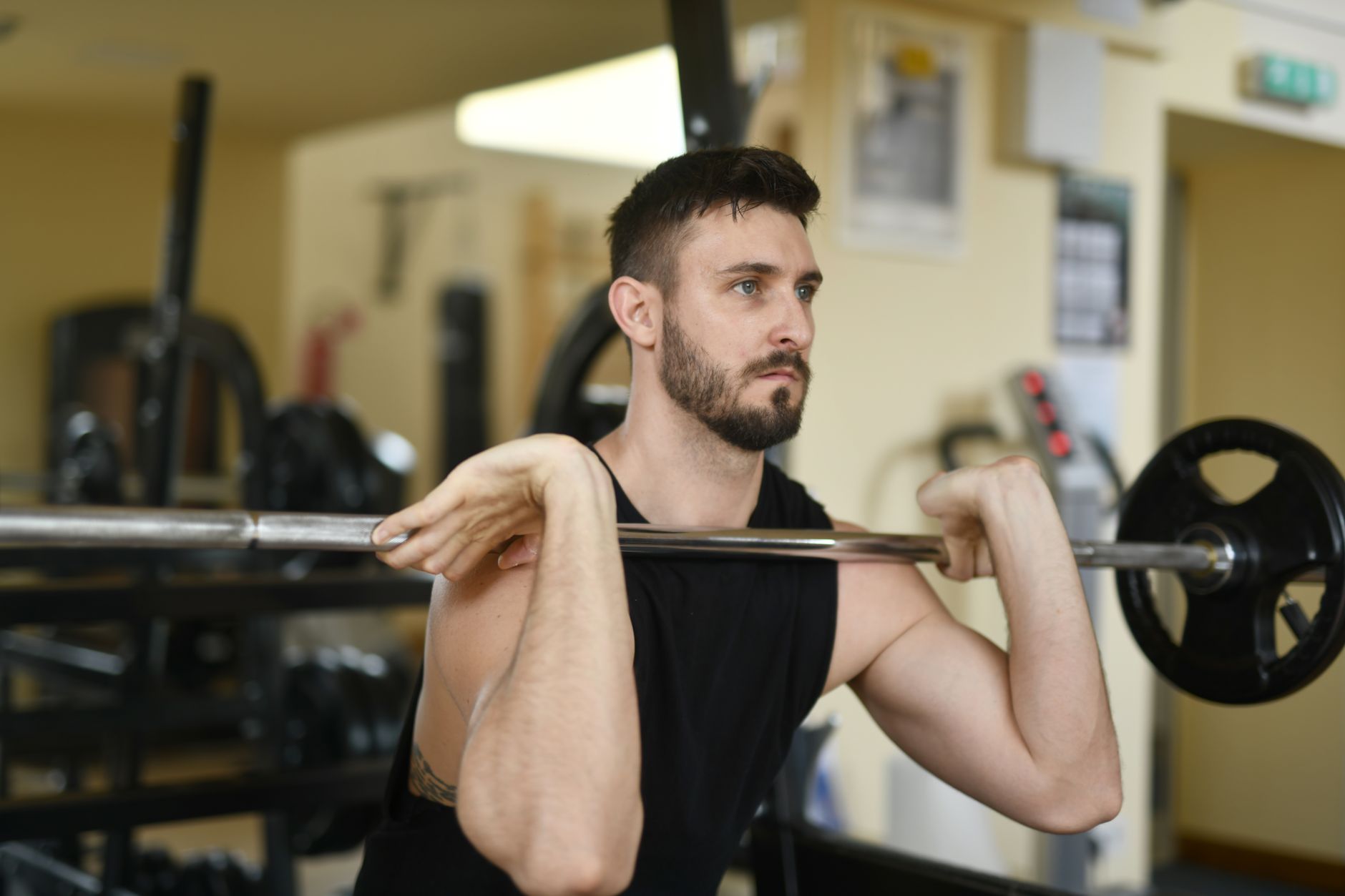
Maintaining a firm grip helps you perform better at the gym and in everyday life. That is not motivational poster language. It is the kind of practical, boring truth that tends to get buried under more glamorous fitness promises – the six-week abs program, the VO2 max tracking, the cold plunge ritual. Grip work sits in the background, unglamorous and underutilized, doing more than most people give it credit for.
What Grip Strength Actually Does
At the gym, grip is the first thing that fails on a heavy deadlift. Before your legs give out, before your back rounds, your hands open. The bar rolls forward. The set ends not because the target muscles were finished, but because the chain broke at its weakest link. The same pattern shows up in pull-ups, rows, farmer carries, and any movement that requires you to hold something heavy for more than a few seconds. When grip fails early, every other muscle gets cheated out of work it was ready to do.
Outside the gym, the applications are less dramatic but more constant. Opening packaging, carrying groceries in a single trip, holding a tool at an awkward angle, catching something falling off a shelf – these are the small physical negotiations of daily life, and they all draw from the same reserve. When that reserve is low, compensation starts. People use two hands where one should work. They adjust their posture. They avoid certain tasks. The degradation is gradual enough that most people attribute it to aging rather than to a specific, trainable deficit.
How to Actually Build It
The good news is that grip responds quickly to direct training. Unlike some qualities that take months to shift, hand and forearm strength tends to improve noticeably within a few weeks of consistent work. The bad news is that most standard gym programming ignores it almost entirely. Chest day, leg day, back day – grip day is not on the schedule, and the assumption that heavy lifting handles it passively is only partially true.
Dead hangs from a pull-up bar are among the most accessible and effective entry points. You hang, you hold, you breathe, and you resist the urge to let go before the time is up. The discomfort is straightforward and the feedback is immediate. Start with whatever duration keeps your form honest – shoulders engaged, no passive sagging – and build from there. Two to three sets a few times a week is enough to start seeing change.
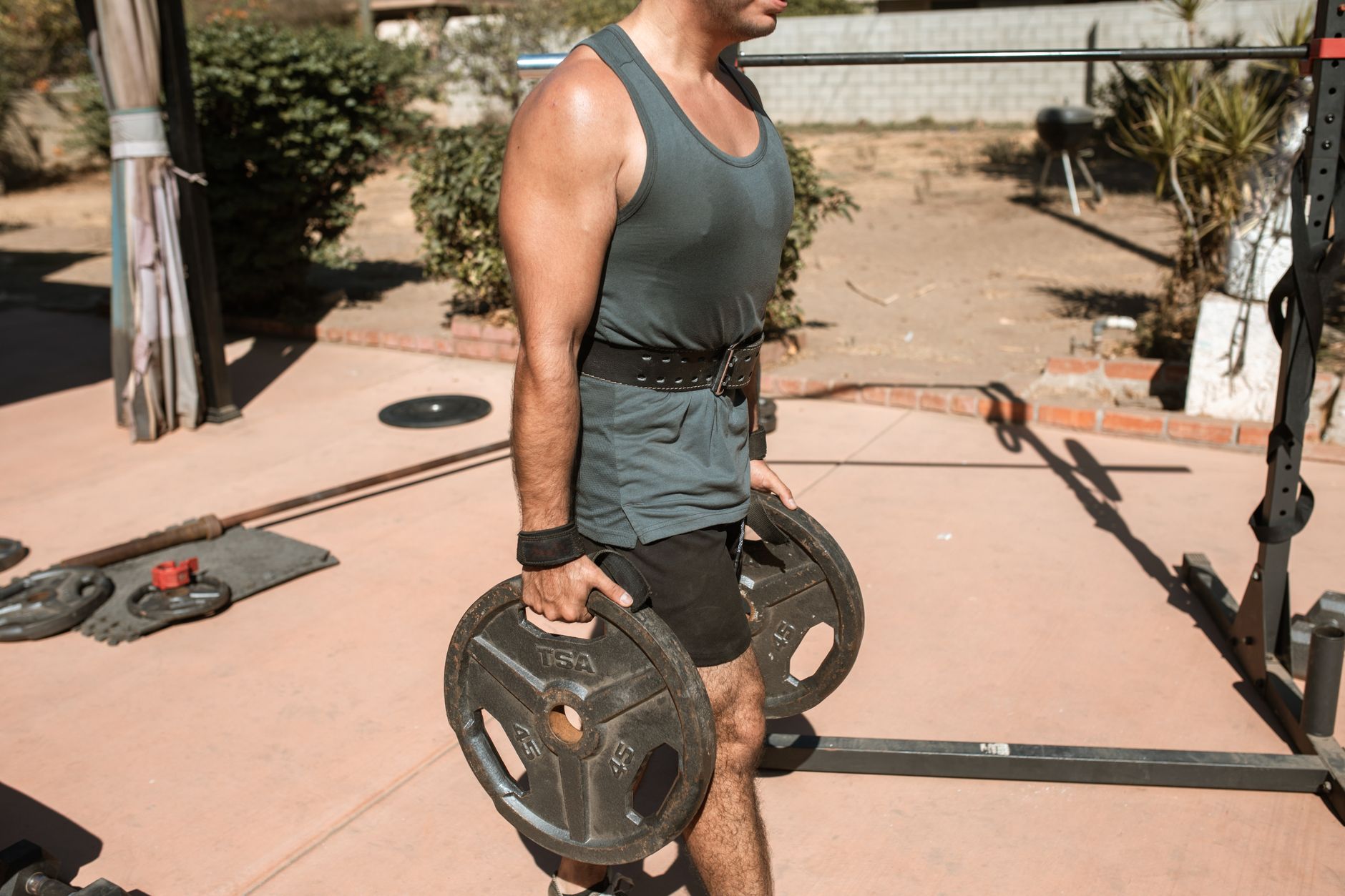
Farmer carries add a locomotion element that static hanging cannot replicate. You pick up something heavy in each hand, and you walk. The load does not have to be extreme to be effective. What matters is that the weight challenges your grip before your legs or lungs give out. Dumbbells work. Kettlebells work. A pair of heavy grocery bags, if you’re training at home, work well enough to be humbling. The carry also trains the stabilizing muscles of the wrist and forearm in ways that isolated exercises miss.
For people who want more targeted work, grip trainers – the spring-loaded hand tools that look like they belong in a physical therapist’s office – deliver direct overload to the flexor muscles of the hand. They are inexpensive, fit in a desk drawer, and can be used while watching television or sitting in a car. The limitation is that they train grip in one dimension. Pairing them with wrist roller exercises, which load the extensors as well as the flexors, produces more balanced development and reduces the injury risk that comes with training one side of a joint without the other.
The Tools and the Timeline
Straps and lifting gloves deserve a specific mention because their relationship to grip development is frequently misunderstood. Straps are a tool for training intensity – they allow you to keep working a muscle group after grip has already failed. Used selectively, on the heaviest sets of the session after grip has already been taxed, they serve a legitimate purpose. Used as a default from the first warm-up set, they become a crutch that prevents the grip from ever being challenged enough to adapt.
Gloves are a slightly different story. They protect the skin, which some people reasonably value, but the added padding between hand and bar actually reduces the tactile feedback that activates grip more aggressively. A raw bar, or one wrapped in athletic tape, demands more from the hand than a cushioned surface does. Neither straps nor gloves are categorically bad. They are just tools, and like any tool, the outcome depends on how and when they get used.
The Detail Nobody Mentions
There is one specific protocol that tends to produce fast, visible results for people new to grip training: towel pull-ups. You drape a standard gym towel over a pull-up bar, grip one end in each hand, and perform your pull-ups holding the towel rather than the bar itself. The diameter is larger and the surface is less stable, which forces the hand to work significantly harder than it would on a fixed bar. Climbers have used this variation for decades. It transfers directly to every other lift where grip is a limiting factor.
The other detail worth knowing is that grip training has a recovery cost that gets underestimated. The small muscles of the hand and forearm fatigue faster than the large muscle groups people are used to monitoring, but they also need time to recover. Training grip every day, especially when starting out, tends to produce chronic soreness in the forearms that makes everything worse rather than better. Two to three sessions per week, spread out, allows adaptation to happen. The jar lid will start losing more often. That is, ultimately, the whole point – though whether it changes how you carry yourself the next time someone goes for a handshake is a question worth sitting with.