



When Rock Royalty’s Daughters Made the Uncool Irresistible
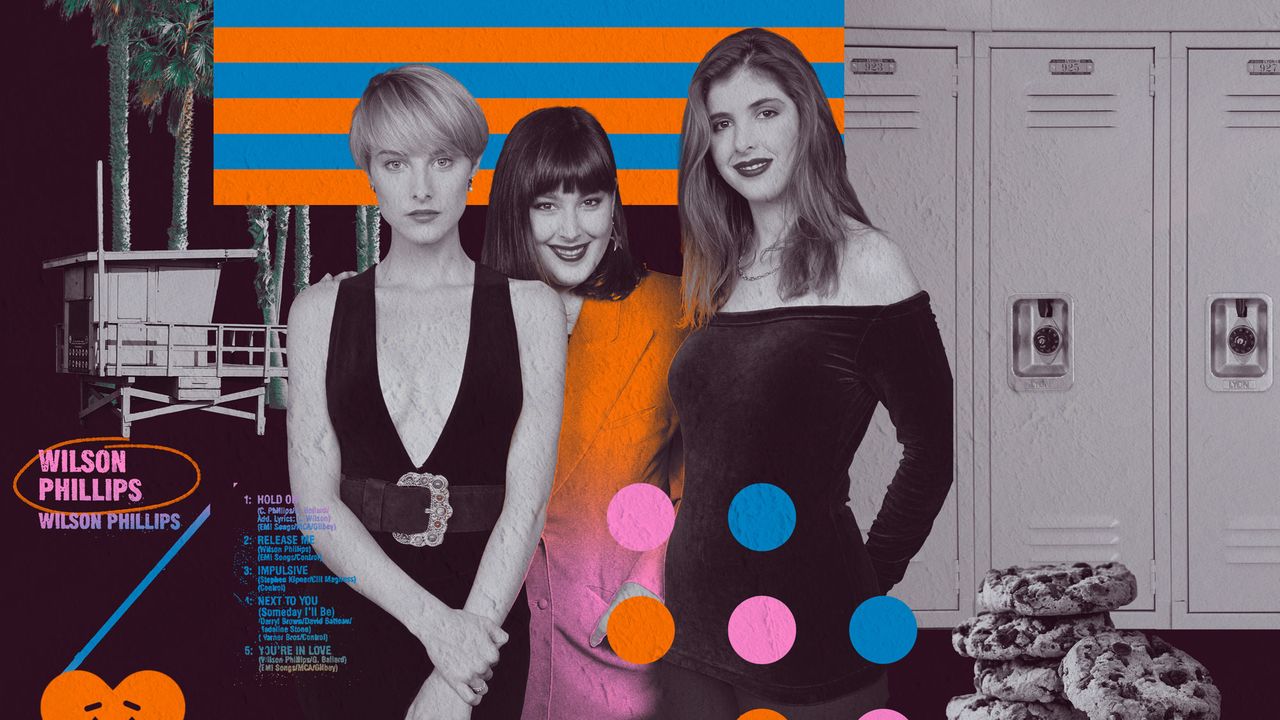
In 1990, Wilson Phillips released “Hold On” – a song so nakedly sincere it had no business working on anyone over the age of eight, and yet it did.
The Lineage Nobody Could Ignore
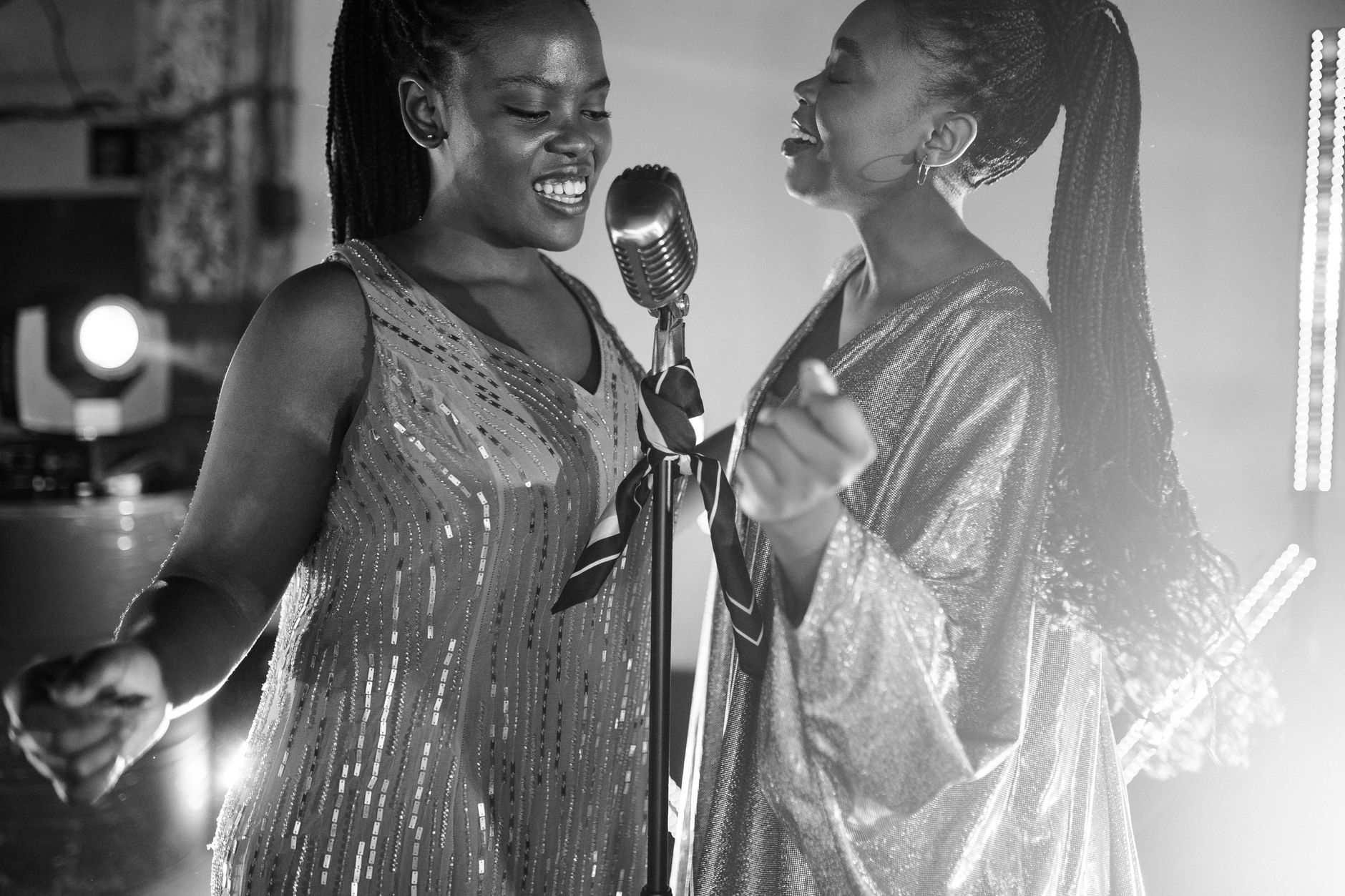
The group arrived with a pedigree that would stop any music journalist mid-sentence. Carnie Wilson and Wendy Wilson were the daughters of Brian Wilson, the architect of the Beach Boys’ sound and one of pop music’s most mythologized minds. Chynna Phillips came from the other direction entirely – her parents were John and Michelle Phillips of the Mamas and the Papas, a group whose internal chaos matched its harmonic ambition note for note.
In 1990, the industry didn’t have a clean vocabulary for what these three women represented. The phrase “nepo baby” wouldn’t enter common usage for another three decades, but the concept sat right there in every press release and profile. They were, without apology, daughters of the thing. What complicated that easy dismissal was the music itself.
“Hold On” was wholesome in the precise way that wholesome is usually a death sentence in pop – earnest about pain, direct about hope, and completely undefended against ridicule. It asked its listener to wait out the worst of a hard moment. Not to transcend it, not to reframe it as strength. Just to hold on. The arrangement was clean. The harmonies were close and practiced. There was nothing to hide behind.
And yet the angstiest teenagers of that summer couldn’t fully dismiss it. That’s the part worth sitting with. The song didn’t work because it was sophisticated or ironic or because it smuggled in some deeper meaning. It worked because it wasn’t any of those things. It arrived without armor, which, in 1990, was genuinely strange.
What Sincerity Costs in a Cynical Season
The early 1990s weren’t a moment that rewarded emotional directness, at least not in the circles where credibility mattered. Grunge was already building pressure in Seattle. Alternative radio was starting to carve out space for voices that wore their damage openly but encoded it in distortion and ambiguity. Against that backdrop, three women harmonizing about emotional endurance felt like a provocation, even if it wasn’t intended as one.
The pop landscape that “Hold On” entered was sorting itself into camps: irony or earnestness, edge or accessibility, the kind of music you admitted to liking versus the kind you defended at length. Wilson Phillips landed entirely outside that taxonomy. They weren’t trying to be difficult or cool. They were trying to make something that sounded like their fathers’ best moments – the layered, sun-warmed vocal arrangements that had defined an earlier California – and they largely succeeded.
What makes the song’s staying power interesting isn’t nostalgia, exactly. It’s that the emotional proposition at its center – that endurance is its own form of action – reads the same in any decade. The lyric doesn’t promise that things will improve because of effort or insight. It promises only that the moment will pass, and that surviving it intact is enough. That’s a more honest offer than most pop songs make.
Teenage listeners who found themselves responding to “Hold On” in the summer of 1990 were responding to something that didn’t perform care at them. The song had no distance built into it, no protective layer of self-awareness. For a certain kind of adolescent – the kind who had built a careful architecture of cool around themselves – that lack of irony was almost destabilizing. To like this song was to admit something. Many did, quietly.
The harmonics themselves carried part of the weight. Both Brian Wilson and John and Michelle Phillips had built careers partly on the idea that layered voices could do things that no single voice could accomplish – could hold more emotional information, could feel more like weather than like a performance. Carnie, Wendy, and Chynna had grown up inside that understanding. When they sang together, the influence wasn’t imitative so much as inherited. The blend had the quality of something practiced without being told to practice.
The Specific Problem of the Summer Song
Songs that define a summer do so accidentally and then permanently. Nobody releases a single in May hoping it will become the sound of a particular season in a particular year – or if they do, they’re almost always wrong. The songs that stick to summers are the ones that find the feeling already present in the air and name it before anyone else does.
“Hold On” named something real about 1990: that holding on was, in fact, what a lot of people were doing. The word for that sensation shifts depending on who’s carrying it – grief, stagnation, hope, exhaustion – but the core activity is the same. Wilson Phillips gave it a melody and three voices and sent it out without explanation. Thirty-five years later, someone will hear it in a grocery store or a car and feel, for a moment, the specific weight of a summer they lived through, the particular quality of light through a window they no longer have access to.