


Torn jeans patches that once screamed “broke college student” now command four-figure price tags on luxury runways. What started as necessity-driven repairs in working-class wardrobes has evolved into fashion’s most coveted aesthetic, with designers from Bottega Veneta to Saint Laurent transforming scrappy patchwork denim into museum-worthy art pieces.
The transformation isn’t just about adding random fabric squares to jeans. Today’s patchwork denim represents a sophisticated fusion of sustainability consciousness, craft revival, and luxury storytelling. Fashion houses are hiring traditional quilters and denim artisans to create pieces that take dozens of hours to complete, turning each garment into a unique narrative of textile history.
From Repair to Runway: The Patchwork Evolution
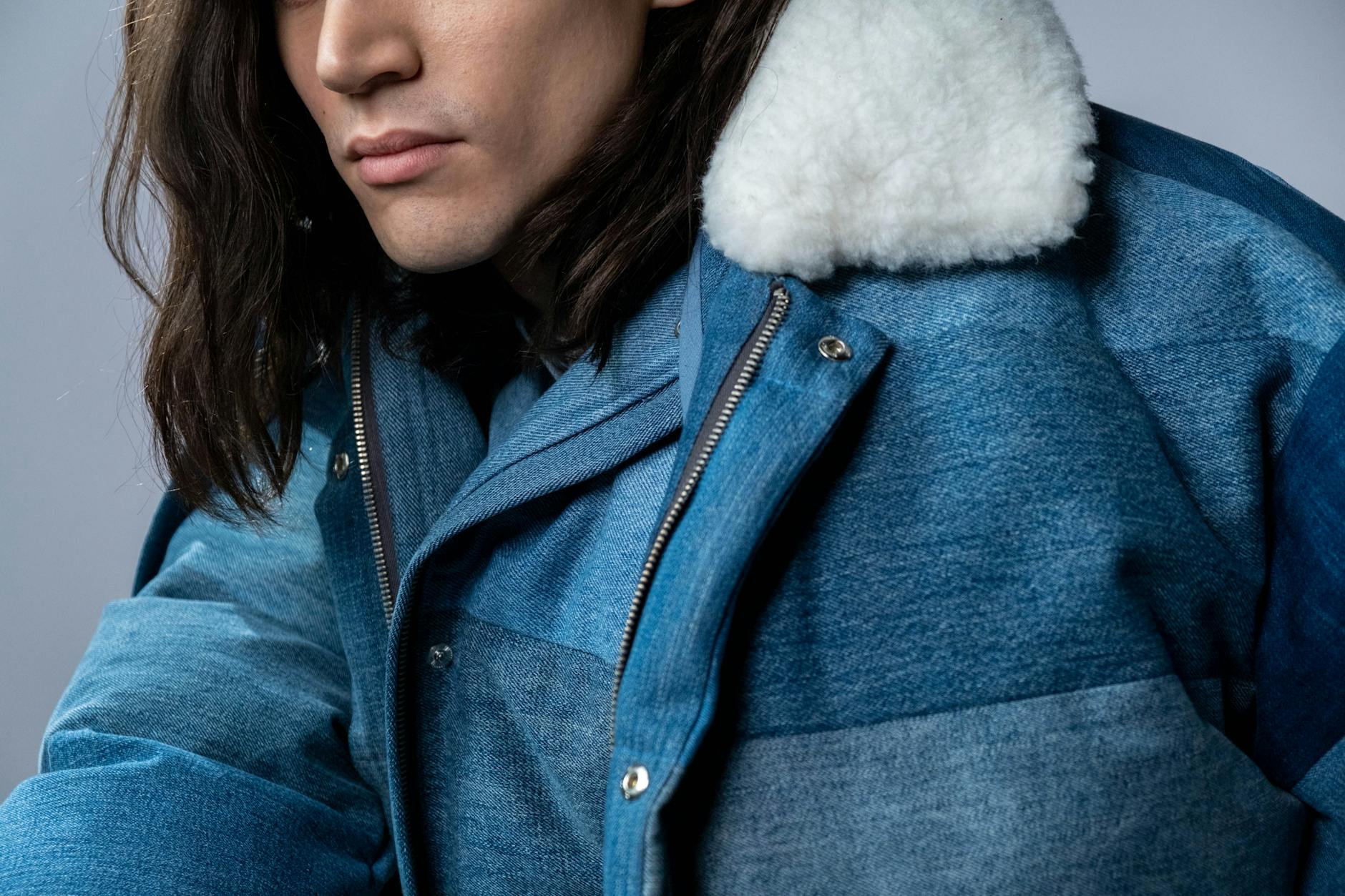
Patchwork denim’s journey from practical necessity to high fashion statement reflects broader shifts in how luxury consumers view authenticity and craftsmanship. Historically, patches served one purpose: extending the life of worn-out work clothes. Japanese boro textiles, Depression-era American workwear, and European peasant clothing all featured similar repair techniques born from economic necessity.
The modern luxury interpretation maintains these humble origins while elevating the execution. Brands like Kapital and Visvim pioneered the high-end patchwork aesthetic in the early 2000s, drawing directly from Japanese boro traditions and American vintage workwear. Their pieces featured carefully curated fabric combinations, with each patch selected for its texture, fade patterns, and historical significance.
Now mainstream luxury houses have embraced the trend with their own interpretations. Bottega Veneta’s recent collections feature deconstructed denim reassembled with contrasting patches in their signature intrecciato weave patterns. The result is unmistakably luxury while maintaining patchwork’s rebellious spirit.
The technique’s appeal lies in its contradiction: it’s simultaneously humble and precious, casual and considered. Each patched piece tells a story of wear, repair, and renewal that resonates with consumers increasingly conscious of fashion’s environmental impact.
Celebrity Adoption and Street Style Influence
Celebrity endorsement has accelerated patchwork denim’s rise from niche artisan craft to mainstream luxury trend. Rihanna was spotted in custom patchwork pieces during her pregnancy announcements, while A$AP Rocky has collaborated with brands to create limited-edition patchwork collections that sell out within hours.
The trend gained significant momentum when Pharrell Williams began incorporating patchwork elements into his personal style and brand collaborations. His approach treats each patched garment as wearable art, often combining vintage band patches with luxury fabric scraps and traditional quilt patterns.
Street style photographers at fashion weeks consistently highlight patchwork denim looks, with fashion editors praising the technique’s ability to make mass-produced luxury feel personal and unique. The aesthetic photographs beautifully, with varied textures and colors creating visual interest that translates well to social media platforms.
This celebrity and influencer adoption has created demand that extends beyond traditional luxury consumers. The trend appeals to fashion enthusiasts who want unique pieces that can’t be easily replicated, similar to how upcycled denim jackets became this year’s must-have investment piece for conscious luxury shoppers.
Artisan Craftsmanship Meets Luxury Production
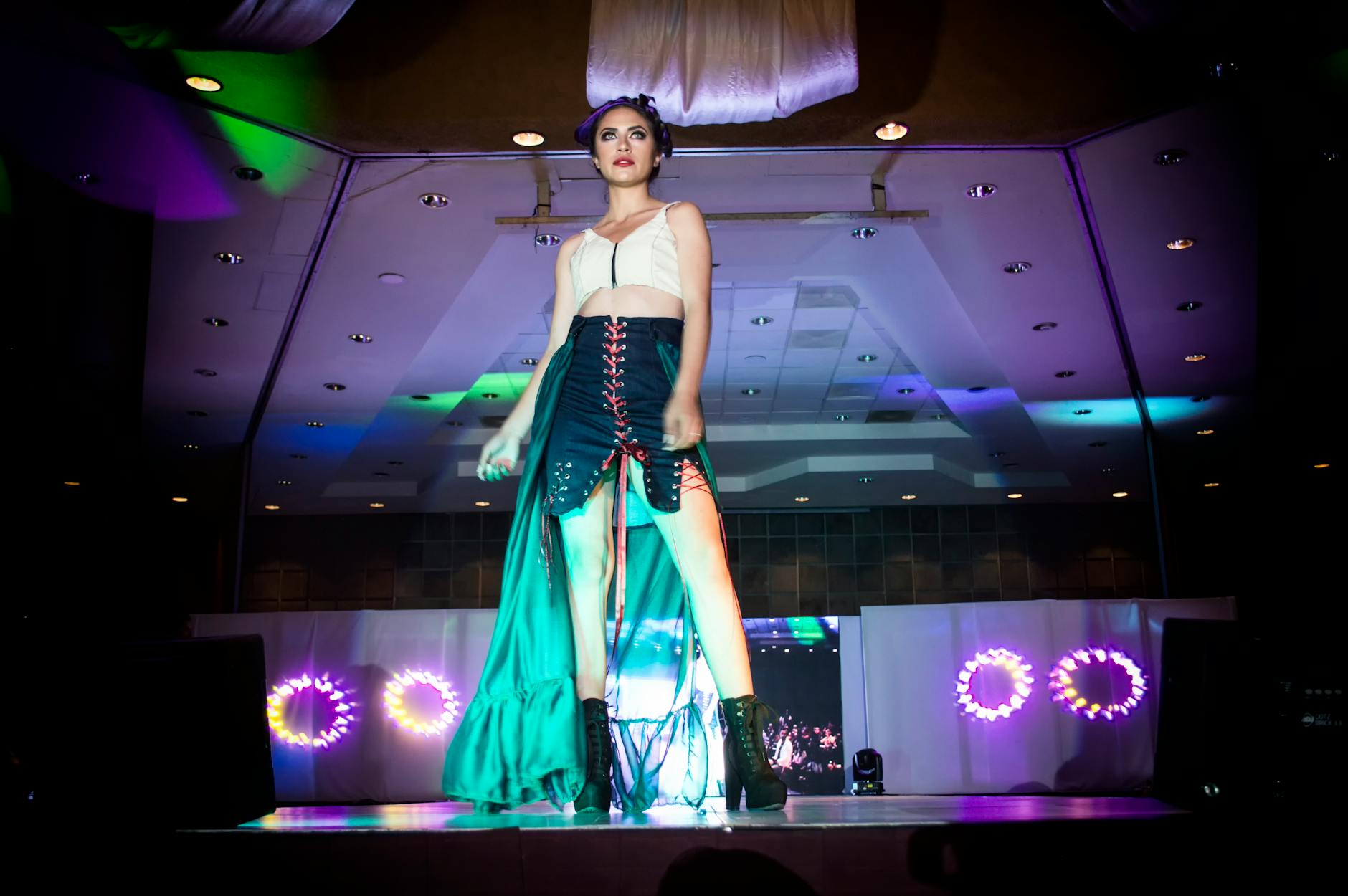
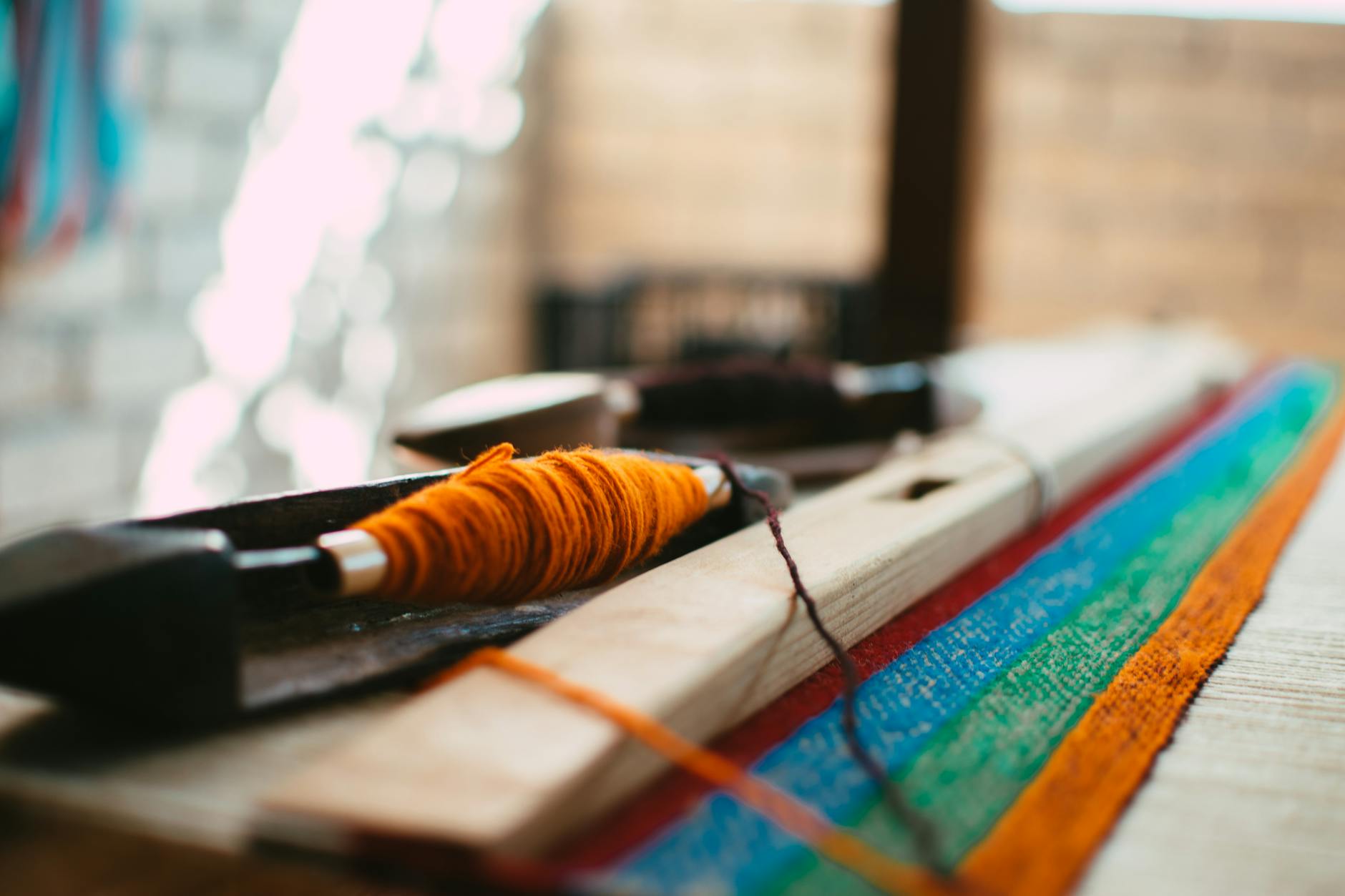
The technical execution of high-fashion patchwork denim requires skills that bridge traditional textile crafts with contemporary design. Luxury brands are partnering with artisan workshops specializing in hand-stitching techniques, employing craftspeople who understand both the structural integrity needed for wearable garments and the aesthetic principles of effective patchwork composition.
Japanese brands continue to lead in technical innovation, using traditional indigo-dyeing processes combined with computerized pattern-making to create patches that appear random but follow sophisticated design principles. Each piece is individually assembled, with artisans spending up to 40 hours on a single jacket, carefully positioning patches to enhance the garment’s silhouette while maintaining structural durability.
European luxury houses have adapted these techniques to their own aesthetic languages. Maison Margiela’s deconstructed approach treats patchwork as an extension of their artisanal line, while Acne Studios creates patches from their own archival fabrics, turning each piece into a survey of the brand’s textile history.
The production process itself has become part of the marketing narrative. Brands document the creation process on social media, showing artisans at work and explaining the significance of different patch materials. This transparency appeals to luxury consumers who want to understand the craftsmanship behind their purchases.
American brands have joined the movement by partnering with local quilting communities and denim artisans. These collaborations not only produce unique products but also support traditional craft communities while introducing their techniques to new audiences.
Market Impact and Investment Potential
The patchwork denim trend has created a secondary market similar to what’s emerged around vintage designer pieces. Limited-edition patchwork items from established brands often appreciate in value, with some pieces selling for double their retail price within months of release.
Auction houses report increased interest in vintage patchwork denim, particularly pieces from the 1960s and 1970s with documented provenance. The combination of historical significance and contemporary relevance makes these pieces attractive to collectors who view fashion as both wearable art and financial investment.
Custom patchwork services have emerged as a luxury market segment, with artisans charging premium rates to transform clients’ existing denim into bespoke patchwork pieces. This service appeals to environmentally conscious consumers who want to extend their wardrobe’s life while creating something unique.
The trend’s investment appeal mirrors broader patterns in luxury fashion, where uniqueness and craftsmanship drive value retention. Unlike mass-produced items that depreciate quickly, well-executed patchwork pieces maintain or increase their value due to their artistic nature and limited availability.
Retail data suggests the patchwork trend will continue expanding, with major denim brands preparing their own interpretations for upcoming seasons. The aesthetic’s flexibility allows for endless variation while maintaining its core appeal: the celebration of repair, renewal, and individual expression through fashion.
Looking ahead, patchwork denim’s evolution will likely embrace new technologies while maintaining its artisanal roots. Digital pattern-making tools are already helping designers optimize patch placement, while sustainable fabric innovations provide new materials for contemporary interpretations of this timeless technique. The trend represents more than just fashion; it’s a statement about valuing craftsmanship, embracing imperfection, and finding beauty in the repaired and renewed.
Frequently Asked Questions
Why is patchwork denim so expensive now?
High-end patchwork denim requires dozens of hours of hand-crafting by skilled artisans, using carefully selected vintage fabrics and traditional techniques.
How can I style patchwork denim pieces?
Treat patchwork denim as a statement piece, pairing with simple basics to let the unique textile work be the focal point of your outfit.