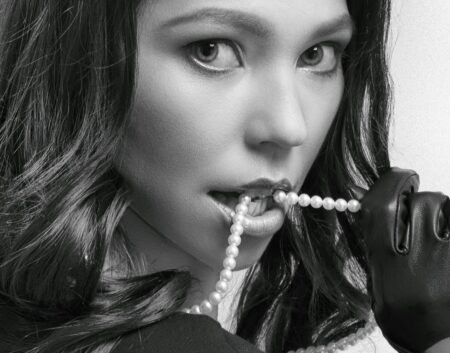





Vintage bridal gowns from decades past are showing up on Hollywood’s biggest nights, and the secret isn’t designer collaborations or million-dollar loans. Celebrities are quietly raiding thrift stores, estate sales, and vintage boutiques for wedding dresses that never made it down the aisle. What started as sustainable fashion activism has become red carpet strategy, with stars discovering that nothing photographs quite like authentic vintage romance.
The movement gained momentum when several A-list actresses began working with stylists who specialize in vintage finds rather than borrowing from luxury fashion houses. These professionals spend months hunting through secondhand shops, online marketplaces, and estate sales, searching for gowns that capture Old Hollywood glamour without the predictable designer label.
Thrift store wedding dresses offer something modern gowns often lack: genuine craftsmanship from eras when hand-beading, intricate lacework, and architectural construction were standard rather than luxury add-ons. Many of these dresses were created by skilled seamstresses or smaller ateliers that no longer exist, making each piece genuinely one-of-a-kind.
The Hunt for Hidden Treasures
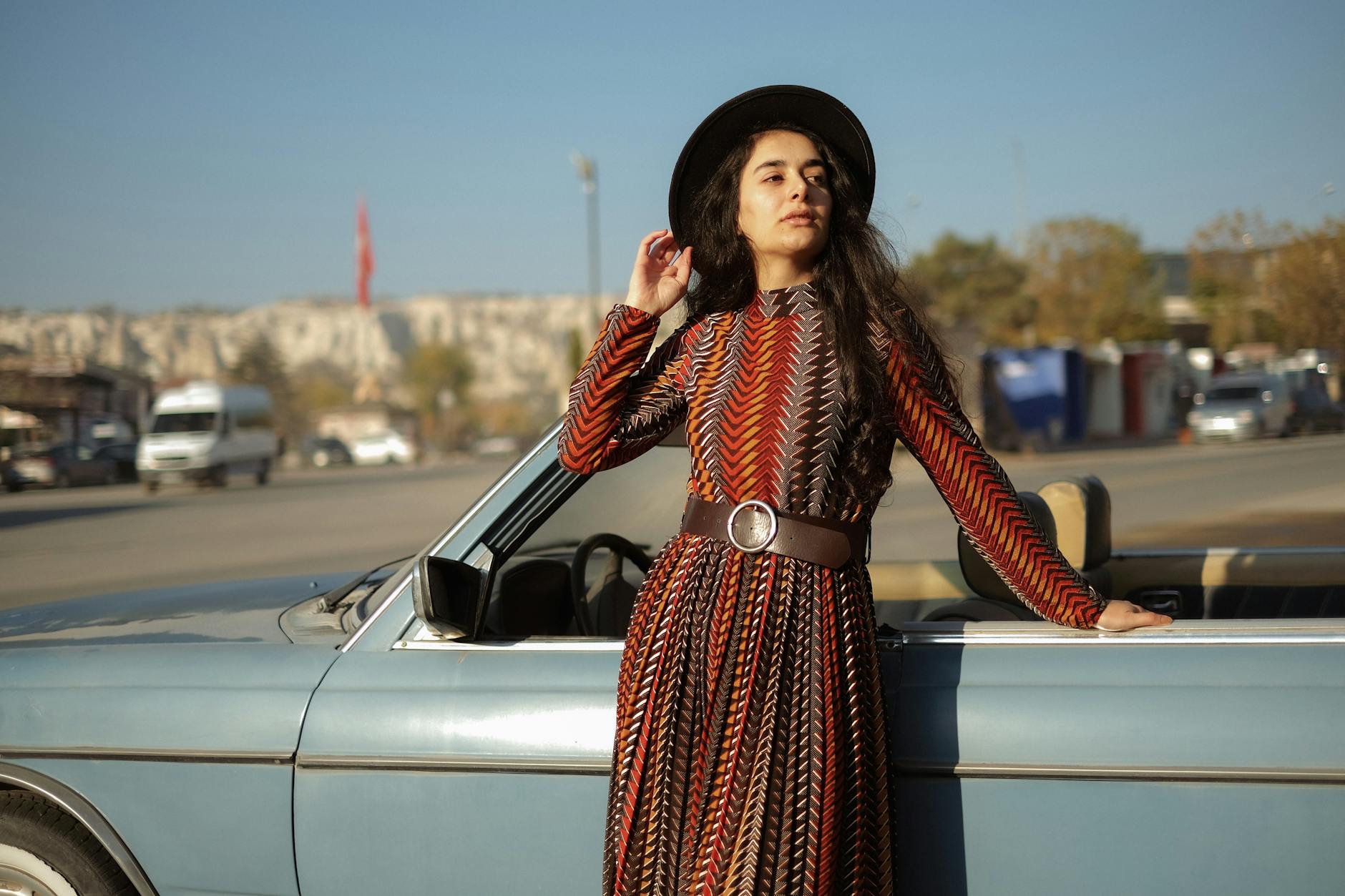
Professional vintage hunters describe the process as part archaeology, part treasure hunt. They develop relationships with estate sale companies, antique dealers, and specialty vintage shops that focus on formal wear. The best finds often come from unexpected sources: a 1960s Priscilla of Boston gown discovered in a suburban thrift chain, or a 1940s silk creation found in a church rummage sale.
The condition requirements are strict. Wedding dresses suitable for red carpet wear must have structural integrity, though minor alterations are expected. Yellowing can often be professionally reversed, and missing buttons or beads can be sourced from specialty suppliers who maintain stocks of vintage notions.
Size presents the biggest challenge, since vintage sizing runs significantly smaller than modern measurements. Many gowns require extensive alterations, essentially rebuilding the internal structure while preserving the original design elements. This process can cost thousands of dollars, though still far less than commissioning a new couture piece.
The search extends internationally, with stylists maintaining contacts in London, Paris, and Tokyo vintage markets. European finds often feature different construction techniques and fabric choices that create unique silhouettes not found in American vintage.
Red Carpet Adaptations and Styling Secrets
Transforming a thrift store wedding dress into red carpet glamour requires significant technical skill. Stylists work with specialized seamsters who understand vintage construction methods and can modify garments without destroying their essential character.
Common adaptations include shortening trains for easier movement, reinforcing internal boning systems, and adding modern undergarment compatibility. Some gowns receive subtle color adjustments through professional dyeing processes, particularly when the original white or ivory has shifted over time.
The styling approach differs dramatically from typical red carpet preparation. Instead of building an entire look around a borrowed gown, stylists must complement the dress’s existing personality. This often means sourcing period-appropriate jewelry, selecting shoes that enhance rather than compete with vintage details, and choosing makeup and hair that honor the gown’s original era while feeling contemporary.
Professional vintage stylists maintain extensive databases of their finds, cataloging each piece’s provenance, condition, and alteration history. They often purchase promising gowns years before finding the right celebrity and event pairing.
The trend has created a new category of red carpet coverage, with fashion reporters investigating the backstory of vintage pieces rather than simply identifying designers. This detective work often reveals fascinating histories: gowns worn by forgotten socialites, pieces from closed fashion houses, or dresses that survived decades in storage.
Environmental Impact and Industry Response
The vintage wedding dress trend aligns with growing environmental consciousness in fashion. Each thrift store purchase represents genuine circular economy principles, giving new life to garments that might otherwise deteriorate in storage or end up in landfills.
Fashion industry professionals estimate that producing a single couture gown generates significant environmental impact through fabric sourcing, manufacturing processes, and international shipping. Vintage alternatives eliminate most of this footprint while often featuring superior construction and materials compared to modern fast fashion alternatives.
Major fashion houses have begun responding to the vintage trend by launching their own archive programs and partnerships with authenticated resale platforms. However, these initiatives typically focus on previously worn designer pieces rather than the anonymous craftsmanship found in thrift stores.
The trend has also influenced bridal fashion more broadly. Modern designers increasingly reference vintage construction techniques and silhouettes, though often at price points far exceeding comparable thrift store finds. Just as oversized blazers have reshaped professional wardrobes, vintage wedding dresses are changing how the fashion industry thinks about luxury and authenticity.
Vintage authentication has become increasingly sophisticated, with experts developing methods to verify age, construction techniques, and material composition. This professional infrastructure supports higher-end transactions while maintaining the grassroots accessibility that makes thrift store hunting appealing.
The Future of Vintage Red Carpet Fashion
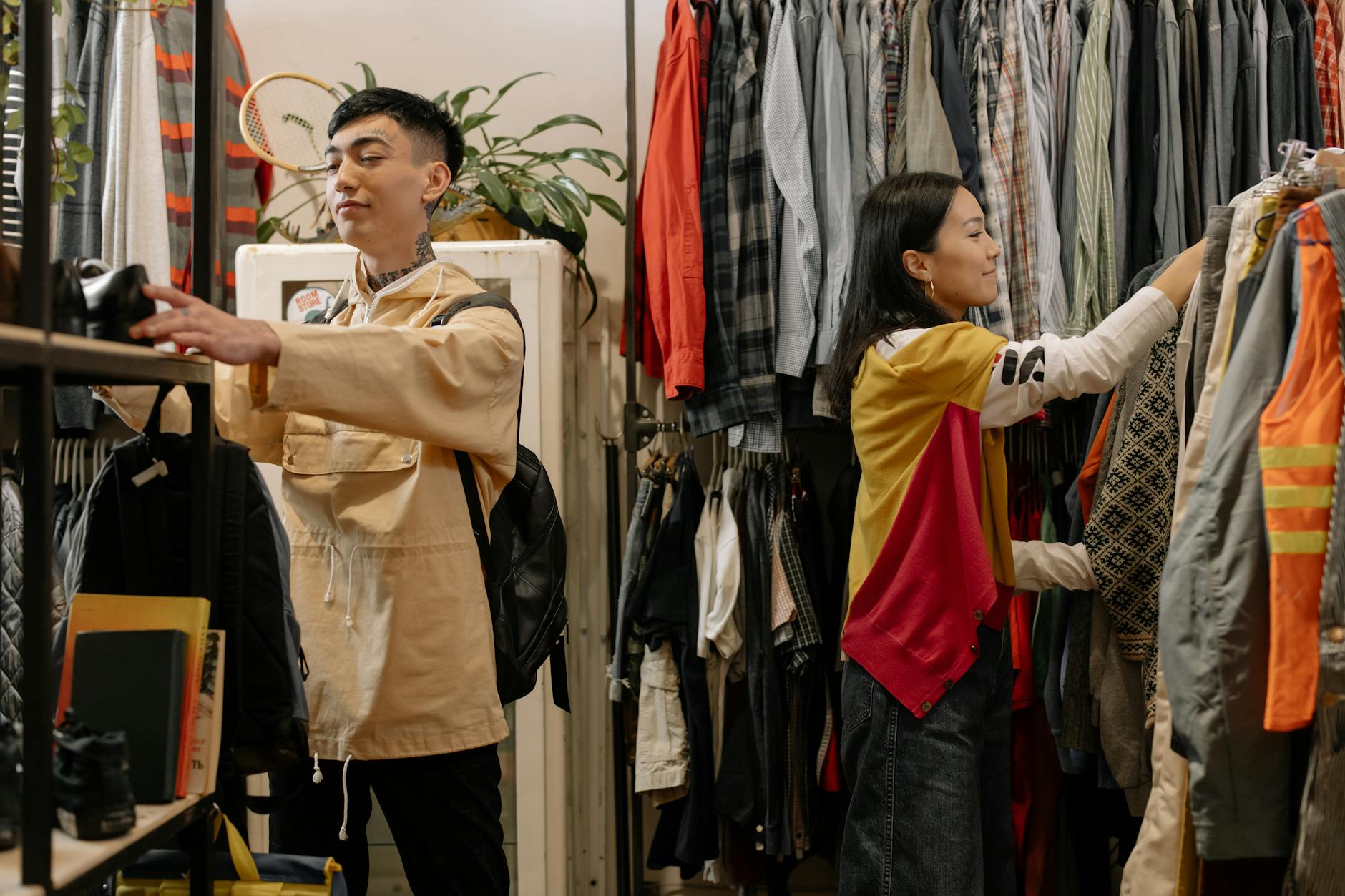
Industry insiders predict that thrift store wedding dresses represent just the beginning of a broader shift toward vintage formal wear. Similar hunting expeditions now target vintage cocktail dresses, evening coats, and formal suits from past decades.
The success of wedding dress conversions has encouraged stylists to explore other overlooked categories: bridesmaid dresses, formal mother-of-the-bride outfits, and even vintage prom gowns. Many of these pieces feature quality construction and unique details that translate beautifully to modern red carpet requirements.
Technology is beginning to play a role, with apps and platforms specifically designed for vintage formal wear hunting. Professional buyers use these tools to coordinate searches across multiple locations and price points.
The movement faces potential challenges as increased demand drives up prices for quality vintage pieces. Popular eras and designers are becoming harder to find at traditional thrift store prices, though dedicated hunters continue discovering overlooked gems.
As environmental concerns reshape luxury consumption and authenticity becomes increasingly valued over brand recognition, thrift store wedding dresses may represent the future of red carpet fashion rather than a temporary trend. The next generation of celebrities appears more interested in wearing clothing with genuine history than in promoting seasonal collections that will be forgotten within months.
Frequently Asked Questions
Why are celebrities choosing thrift store wedding dresses for red carpet events?
They offer unique vintage craftsmanship, environmental sustainability, and one-of-a-kind style that stands out from typical designer gowns.
How much do celebrities spend on vintage wedding dress alterations?
Professional alterations can cost thousands but remain significantly less expensive than commissioning new couture pieces.