



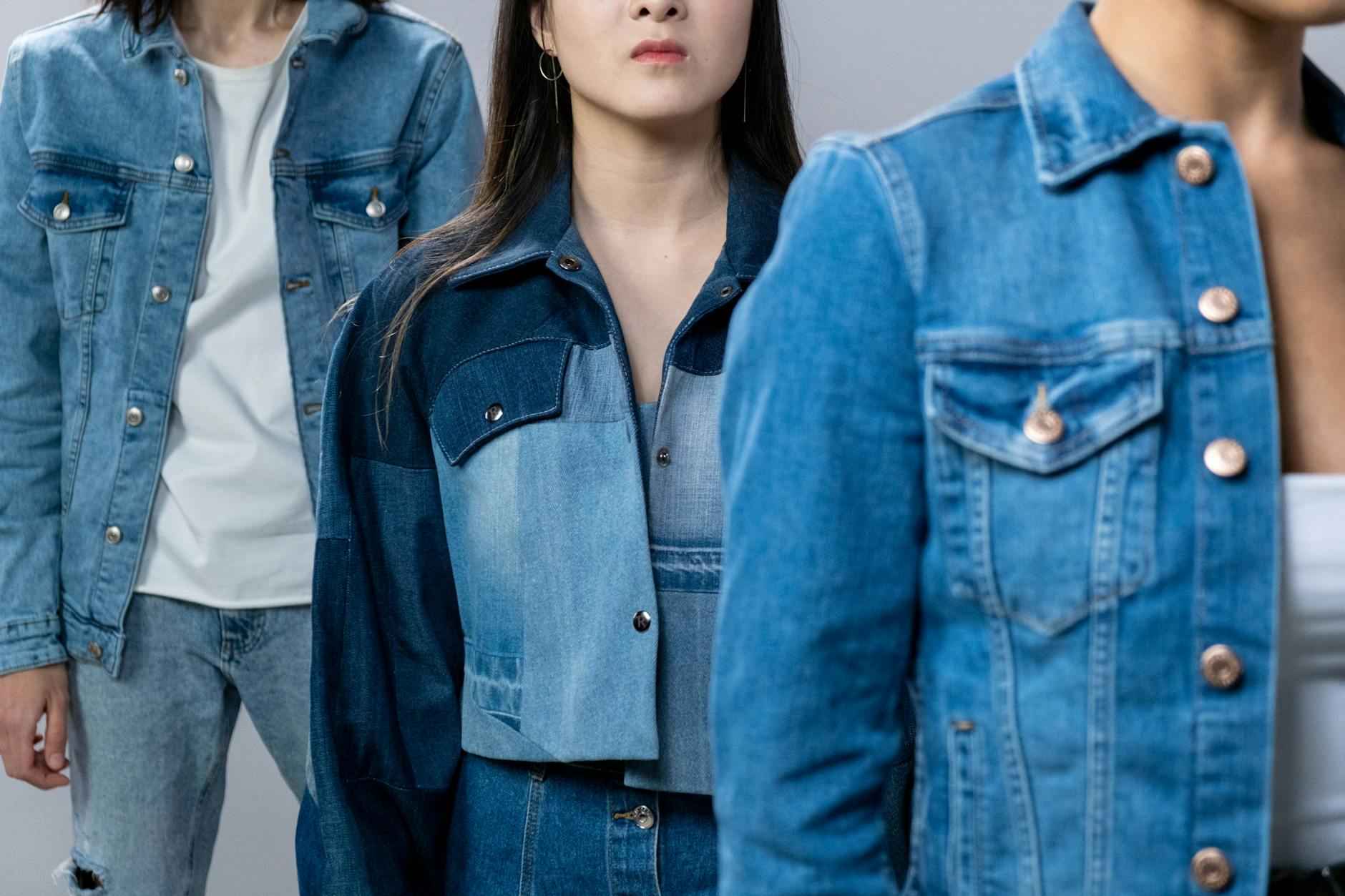
A vintage Levi’s trucker jacket, once relegated to thrift store racks at $15, now commands $300-500 after upcycling by indie designers. This dramatic price surge reflects fashion’s latest obsession: transforming discarded denim into coveted investment pieces that rival luxury handbags in desirability.
The upcycled denim jacket phenomenon has exploded across social media platforms, with TikTok videos showcasing transformations garnering millions of views. Designers like Sarah Staudinger of Staud and emerging brands like Rave Review are turning forgotten jackets into statement pieces through hand-painted designs, strategic distressing, and architectural reconstructions. What started as sustainable fashion activism has evolved into a legitimate luxury market where authenticity and artisanal craftsmanship drive premium pricing.
From Waste to Wardrobe Staple
The upcycled denim movement gained momentum during the pandemic as consumers became increasingly conscious of fashion’s environmental impact. With textile waste reaching 92 million tons annually, designers began viewing discarded clothing as raw materials rather than trash. Denim jackets emerged as the perfect canvas due to their durability, iconic silhouette, and universal appeal across age groups and style preferences.
Independent designers discovered that vintage denim’s superior construction – particularly pieces from the 1980s and 1990s – provided an ideal foundation for artistic transformation. Unlike modern fast fashion denim, vintage jackets feature heavier fabric weights and reinforced stitching that withstand aggressive customization techniques. This quality differential has created a two-tier market where authentic vintage bases command higher prices than contemporary alternatives.
The process typically begins with sourcing from estate sales, thrift stores, and vintage dealers. Designers look for specific markers: pre-1990s manufacturing dates, heavy cotton construction, and minimal existing damage. The selection process alone requires expertise, as subtle differences in fabric composition and construction methods dramatically impact the final product’s durability and aesthetic appeal.
Celebrity Endorsement Drives Demand
High-profile endorsements catapulted upcycled denim from niche sustainable fashion into mainstream luxury territory. Bella Hadid’s Instagram posts featuring customized vintage Levi’s jackets sparked immediate copycat trends, while Rihanna’s public support of upcycling initiatives through her Fenty brand legitimized the movement within luxury fashion circles.
The celebrity factor extends beyond simple endorsement to active collaboration. Several A-list stars now work directly with upcycling artists to create personalized pieces, often documenting the design process on social media. These partnerships generate authentic content while demonstrating fashion’s shift toward conscious consumption without sacrificing style or status.
Fashion Week presentations increasingly feature upcycled denim as designers incorporate sustainability narratives into their brand stories. Copenhagen Fashion Week’s sustainability requirements and Paris Fashion Week’s growing emphasis on circular fashion have provided platforms for upcycled denim designers to reach industry buyers and media influencers. Fashion Week’s evolution toward digital presentations has actually benefited smaller upcycling brands, allowing them to showcase their work without traditional runway costs.
Investment Value and Market Dynamics
The financial appeal of upcycled denim jackets extends beyond their environmental credentials to genuine investment potential. Limited production runs, often consisting of single unique pieces or small batches under 50 units, create artificial scarcity that drives secondary market values. Collectors report 40-60% appreciation rates for pieces by established upcycling artists within two years of purchase.
Authentication has become crucial as the market matures. Buyers now scrutinize provenance documentation, artist signatures, and construction techniques to verify authenticity. This mirrors trends in other alternative investment markets, where secondhand luxury goods demonstrate strong performance metrics compared to traditional investments.
The most valuable pieces combine historical significance with artistic merit. Jackets featuring original band patches, concert memorabilia, or documented celebrity ownership achieve premium prices. A jacket worn by a 1990s grunge musician and later customized by a recognized upcycling artist can command $2,000-3,000, representing a 100x increase from its thrift store origins.
Market segmentation has emerged based on customization complexity and artist recognition. Entry-level pieces featuring basic distressing or simple embellishments start around $150-200, while museum-quality artistic collaborations reach $1,000-1,500. This pricing structure makes upcycled denim accessible to fashion enthusiasts while maintaining exclusivity at higher tiers.
The Craftsmanship Renaissance
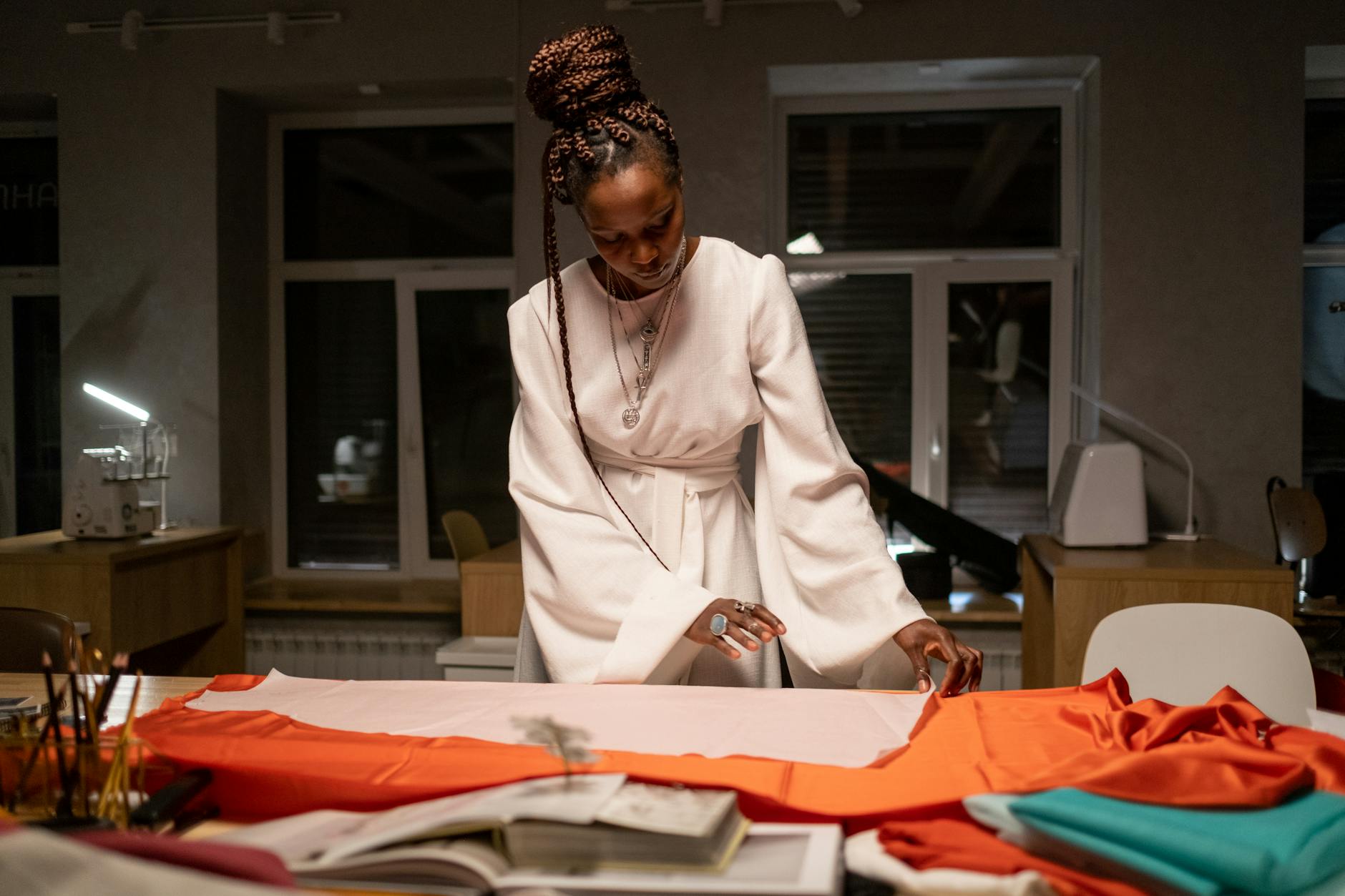
Behind every transformed jacket lies hours of skilled handwork that justifies premium pricing. Master upcyclers employ techniques ranging from traditional textile arts like sashiko stitching and hand-painted designs to contemporary methods including laser etching and digital textile printing. This craftsmanship revival has created career opportunities for artists who might otherwise struggle in traditional fashion manufacturing.
The learning curve for quality upcycling is substantial, requiring knowledge of fabric properties, color theory, construction techniques, and fashion history. Many successful practitioners combine formal fashion education with apprenticeships under established artists. The resurgence of sewing education has supported this skills development, with specialized workshops focusing specifically on denim manipulation and customization techniques.
Regional specializations have developed based on local artistic traditions. Los Angeles-based artists often incorporate vintage band merchandise and music memorabilia, reflecting the city’s entertainment industry connections. New York artists tend toward architectural interventions and high-fashion inspired modifications, while Portland and Austin scenes emphasize sustainable materials and counter-culture aesthetics.

The upcycled denim jacket market shows no signs of slowing as fashion continues its sustainability transformation. Major retailers including Urban Outfitters and ASOS have launched upcycling initiatives, though purists argue that mass-market adoption dilutes the movement’s authentic artistic mission. The challenge moving forward lies in maintaining the handcrafted quality and unique aesthetic that originally attracted consumers while meeting growing demand.
Technology integration promises to expand creative possibilities without compromising sustainability principles. Digital design tools allow artists to preview modifications before cutting fabric, reducing waste and improving precision. However, the movement’s core appeal – the human touch and individual artistic vision – ensures that purely automated production will never fully replace skilled craftspeople.
As fashion weeks embrace circular economy principles and consumers increasingly value authenticity over mass production, upcycled denim jackets represent more than a trend. They embody fashion’s future direction: environmentally conscious, artistically driven, and personally meaningful. The investment potential simply reflects broader market recognition of these changing values.
Frequently Asked Questions
What makes upcycled denim jackets valuable investments?
Limited production runs, artisanal craftsmanship, and celebrity endorsement drive 40-60% appreciation rates within two years.
How much do upcycled denim jackets cost?
Prices range from $150-200 for basic customization to $1,000-1,500 for museum-quality artistic collaborations.