





Walk into any Silicon Valley boardroom today and you’ll spot them: CEOs sporting vintage Hermès scarves as pocket squares, venture capitalists with 1970s geometric prints draped around their necks, and startup founders using grandmother’s silk squares as laptop bag accessories. The tech world’s most powerful players have quietly adopted vintage scarves as their secret weapon of sophisticated authority.
What started as a practical solution for air-conditioned offices has evolved into a calculated style statement. Tech executives are raiding estate sales, luxury consignment shops, and their own family collections to source authentic vintage pieces that signal both creativity and establishment credibility. The trend represents a fascinating collision between Silicon Valley’s innovation culture and old-money European elegance.
From Practical to Powerful: The Scarf’s Tech Evolution
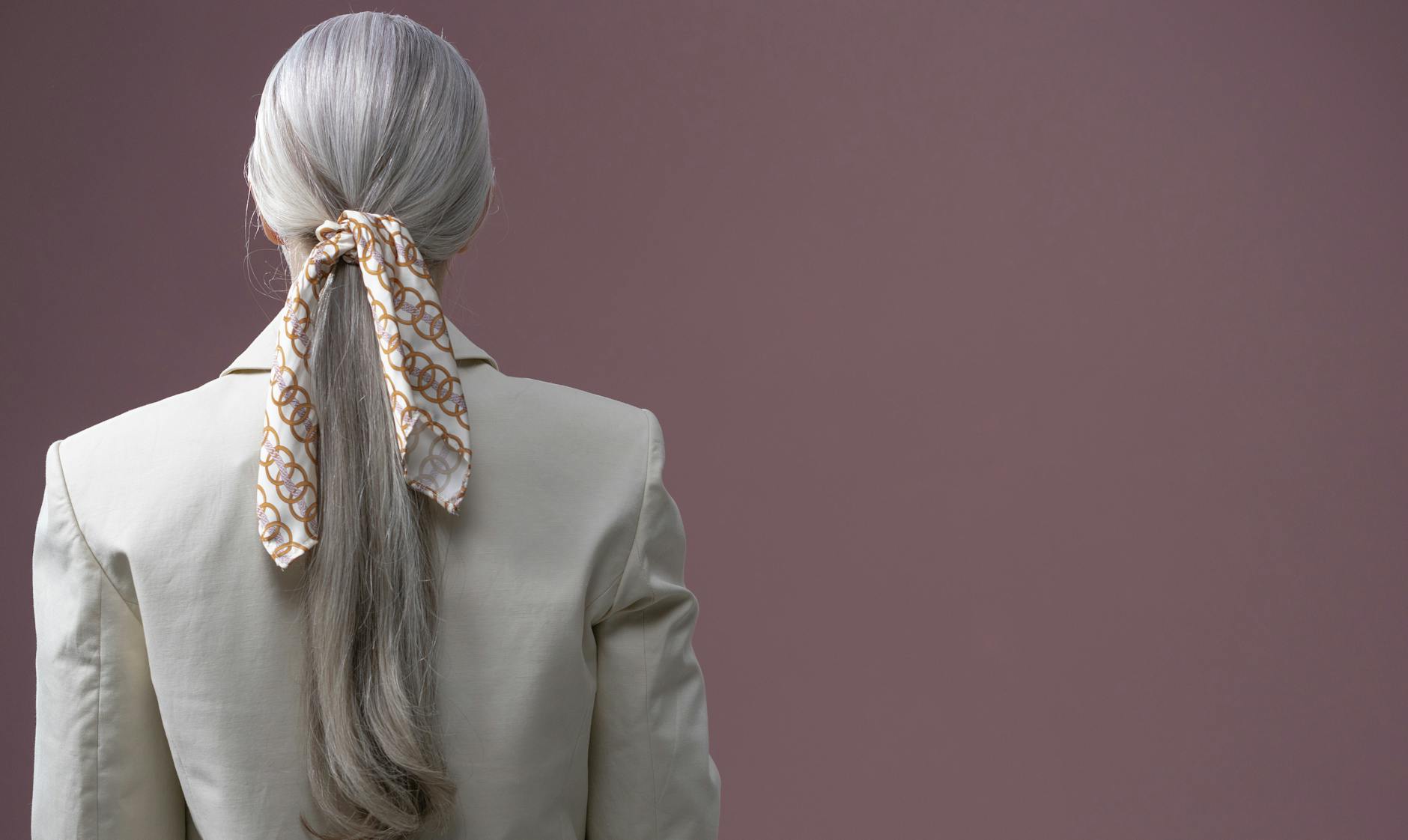
The vintage scarf trend in tech circles began around 2019, when several prominent female executives started incorporating silk squares into their professional wardrobes. Unlike the rigid corporate uniforms of traditional industries, Silicon Valley’s dress codes have always embraced individual expression within professional boundaries. Scarves offered the perfect balance: sophisticated enough for investor meetings, creative enough to signal innovation thinking.
Tech leaders discovered that vintage scarves solve multiple wardrobe challenges simultaneously. They add visual interest to the uniform of black turtlenecks and navy blazers that dominate the industry. They provide a conversation starter during networking events. Most importantly, they telegraph cultural sophistication to international business partners who might otherwise dismiss Silicon Valley executives as purely technical operators.
The appeal extends beyond pure aesthetics. Vintage pieces carry stories and provenance that resonate with tech leaders who understand the value of legacy systems and accumulated wisdom. A 1960s Pucci print or a classic Hermès design represents decades of proven appeal – the fashion equivalent of time-tested code architecture.
The Hunt for Authentic Vintage Pieces
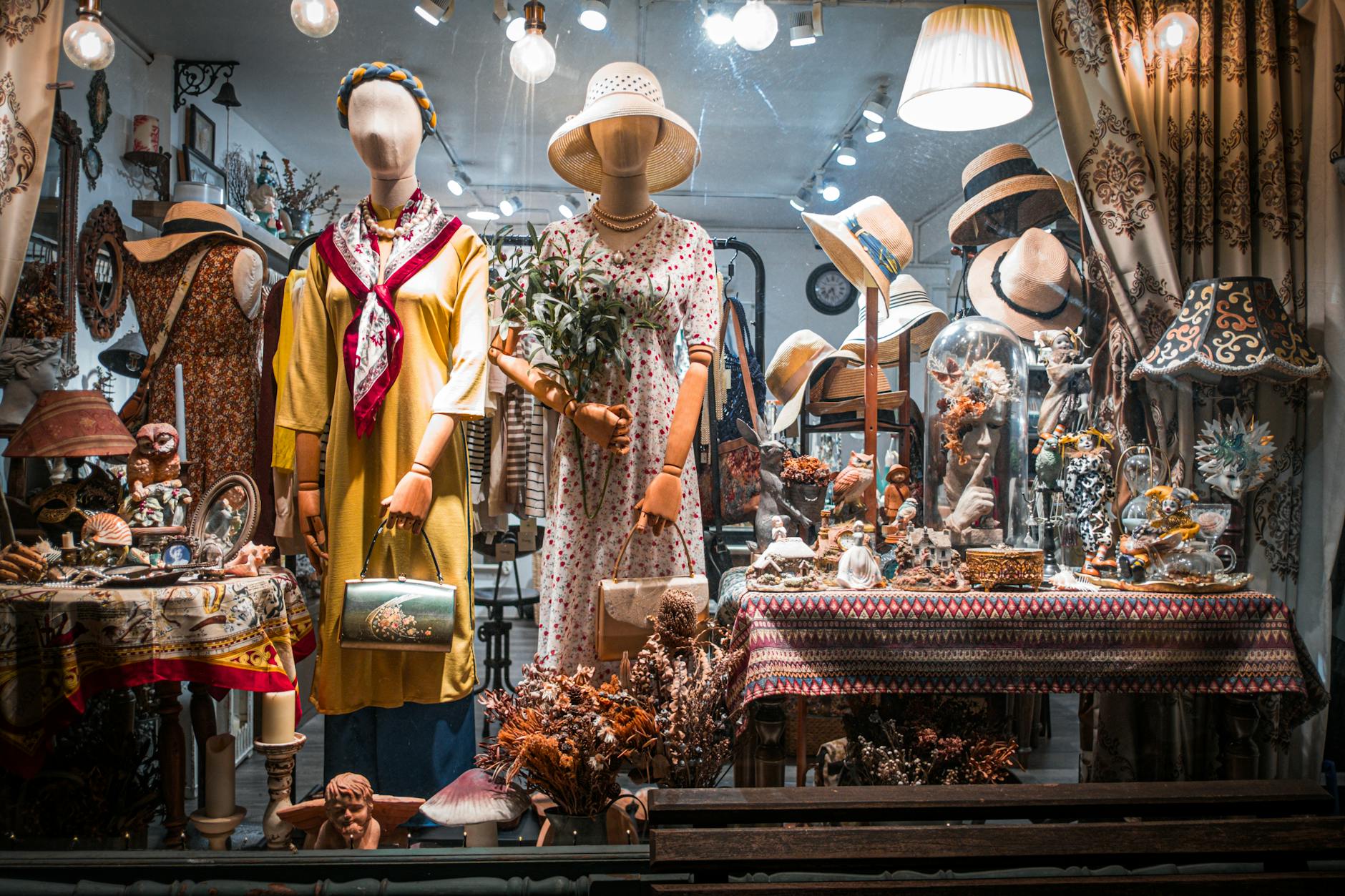
Silicon Valley’s vintage scarf obsession has created a specialized market among luxury consignment dealers and estate sale organizers. High-end resellers report that tech executives specifically seek out pieces from iconic fashion houses like Hermès, Chanel, and Gucci from the 1960s through 1980s. These vintage accessories often cost between $200 and $800, making them accessible luxury items for well-compensated tech professionals.
The hunt itself has become part of the appeal. Executives describe scouring estate sales in Atherton and Palo Alto, competing with collectors for rare finds. Some have developed relationships with consignment shop owners who alert them to new arrivals. The process mirrors the tech industry’s culture of discovery and competitive acquisition – applying startup hustle to fashion hunting.
Authentication has become crucial as demand increases. Tech leaders, accustomed to due diligence in business deals, apply similar scrutiny to vintage scarf purchases. They research serial numbers, examine stitching quality, and verify provenance through specialized authentication services. This methodical approach reflects the industry’s data-driven decision-making culture applied to personal style choices.
Style Psychology: Why Scarves Signal Authority
Fashion psychologists note that scarves function as powerful nonverbal communication tools in professional settings. They draw attention to the face and neck area, where important expressions and gestures occur during presentations and negotiations. For tech leaders who often lack traditional corporate styling, scarves provide instant gravitas and polish.
The vintage aspect adds additional psychological weight. Wearing authenticated pieces from established fashion houses signals cultural literacy and historical awareness. In an industry often criticized for youth bias and disruption-focused thinking, vintage accessories suggest respect for established excellence and time-tested quality.
Female executives particularly leverage scarves to navigate the complex dynamics of male-dominated tech environments. A carefully chosen vintage piece can simultaneously project authority, creativity, and sophistication without appearing overly feminine or distracting from business discussions. The trend mirrors broader workplace strategies where professional women use accessories to enhance their presence and memorability.
The color psychology of vintage scarves also plays a strategic role. Classic prints in navy, burgundy, and gold convey trustworthiness and stability – crucial qualities when pitching investors or negotiating partnerships. Geometric patterns suggest analytical thinking, while floral motifs hint at creativity and innovation. Tech leaders intuitively understand these visual languages and select pieces that align with their professional objectives.
The Broader Fashion Impact
Silicon Valley’s embrace of vintage scarves reflects larger fashion trends toward sustainability and authentic craftsmanship. As the tech industry grapples with environmental concerns and ethical consumption, vintage accessories offer guilt-free luxury. These pieces represent the circular economy principles that many tech companies now promote in their sustainability initiatives.
The trend has influenced how tech professionals approach personal branding overall. Similar to how oversized blazers became remote workers’ unofficial power uniform, vintage scarves demonstrate how specific fashion choices can become industry identifiers. The look has spread beyond executive boardrooms to influence startup culture more broadly.
Fashion retailers have noticed the trend’s impact on broader scarf sales. Vintage-inspired designs and reproduction prints from major fashion houses have seen increased demand from professional women across industries. The Silicon Valley influence has helped rehabilitate scarves from dated accessories to modern power tools.

The vintage scarf phenomenon in Silicon Valley represents more than fashion evolution – it demonstrates how industries can reshape traditional style hierarchies to serve their unique cultural needs. As remote work continues blending professional and personal spaces, these carefully chosen accessories help tech leaders maintain executive presence across digital and physical environments.
The trend shows no signs of slowing. As more tech companies go public and their leaders assume prominent public roles, the demand for sophisticated accessories that convey both innovation and establishment credibility will likely increase. Vintage scarves have proven they can bridge Silicon Valley’s casual culture with global business expectations, making them an enduring addition to the tech executive wardrobe.
Frequently Asked Questions
Why are tech executives wearing vintage scarves?
Vintage scarves provide sophisticated authority while maintaining Silicon Valley’s creative culture, perfect for investor meetings and international business.
Where do Silicon Valley leaders find vintage scarves?
They hunt through estate sales in Atherton and Palo Alto, luxury consignment shops, and specialized vintage dealers who authenticate designer pieces.