





Hugh Jackman and Emma Thompson’s latest collaboration takes a celebrated sheep crime novel and drains it of exactly what made readers fall in love with the source material. The film adaptation of “The Sheep Detectives” transforms a story that lived inside the minds of its woolly protagonists into standard Hollywood fare.
What was once described as a “near-perfect sheep crime novel” becomes something far more ordinary in its journey to the screen.
The original book succeeded because it dared to explore animal consciousness in ways most fiction avoids. Readers experienced the world through sheep perception – the weight of wool after rain, the social hierarchies of the flock, the particular terror of predators approaching at dusk. This wasn’t anthropomorphism but genuine animal psychology.
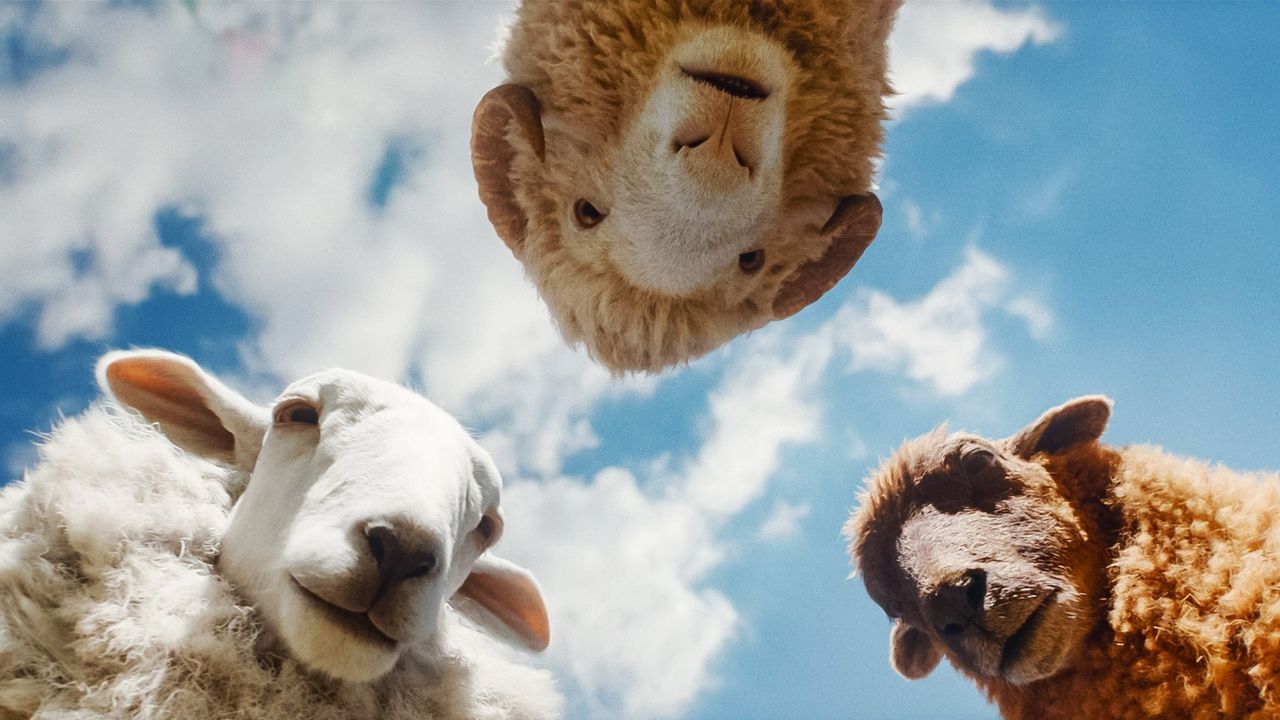
Lost in Translation
The film’s first misstep comes in its opening sequences. Where the novel began with a sheep discovering evidence of foul play, the movie starts with Jackman’s detective character receiving a phone call about missing livestock. The shift from animal perspective to human procedure signals everything that follows.
Thompson, playing the local veterinarian, delivers her lines with characteristic warmth, but her character serves mainly to explain plot points that the book conveyed through sheep behavior. The novel’s most memorable scene – a flock collectively deciding to investigate their missing member – becomes a montage of sheep wandering around a field while human characters discuss what might be happening.
Director Sarah Chen seems uncomfortable with the source material’s central conceit. Her camera treats the sheep as props rather than characters, focusing on their cute factor instead of their intelligence. The book’s exploration of ovine social structures gets reduced to occasional shots of sheep huddling together during dramatic moments.
Missing the Point
The novel worked because it took sheep seriously as thinking beings. Author Margaret Woolsey spent two years studying sheep behavior at various farms, documenting how different breeds respond to stress, how they communicate danger, and how their memory systems function. Her sheep characters felt real because they were grounded in actual animal psychology research.

The film’s sheep feel like cartoon characters by comparison. They respond to plot developments in ways that serve the story rather than reflecting genuine sheep behavior. When the mystery reaches its climax, the flock’s collective action feels orchestrated rather than organic.
Jackman brings his usual charisma to the role of Detective Morrison, but his character arc replaces the book’s more interesting journey. The novel followed both human and animal investigators working parallel cases that eventually converged. The film makes Morrison the primary detective with the sheep providing occasional assistance, fundamentally altering the story’s power dynamic.
What Got Lost
Woolsey’s book belonged to a growing subgenre of animal-perspective mysteries that includes works like “The Art of Racing in the Rain” and “Watership Down.” These stories succeed when they commit fully to their animal viewpoints, trusting readers to engage with non-human consciousness.
The adaptation reveals Hollywood’s continued discomfort with truly animal-centered narratives. Even when adapting a book that explicitly celebrates animal intelligence, the industry defaults to human perspectives and conventional storytelling structures. The sheep become supporting players in their own story.
Chen’s film does capture the rural English setting beautifully, and the human performances are solid throughout. But it misses what made the source material special – its willingness to imagine how the world looks, smells, and feels to creatures we typically dismiss as simple.

The movie’s success at the box office suggests audiences appreciate the cozy mystery elements and star power. Whether they realize what they’re missing from the original novel depends entirely on whether they bother to read Woolsey’s remarkable book. The sheep, meanwhile, remain as mysterious as ever on screen – which might be the biggest crime of all.