




William Kentridge’s studio chronicles read like an inventory of obsession. Forty-seven years of artistic practice distilled into exhaustive lists: thirty-eight rhinoceri, two coffee-pots, a man in a pinstriped suit, the Union Buildings in Pretoria. The South African artist’s recent lecture series transforms these accumulated sketches into something between autobiography and archaeological dig.
What emerges isn’t just documentation but a peculiar form of self-portraiture. Kentridge argues that the sum of everything an artist draws over decades creates an inadvertent map of consciousness – similar to how bookshelves reveal character through accumulated volumes, read and unread.
The Weight of Physical Mark-Making
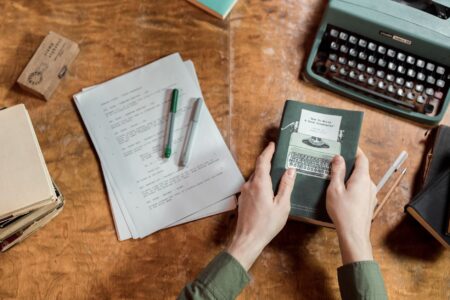
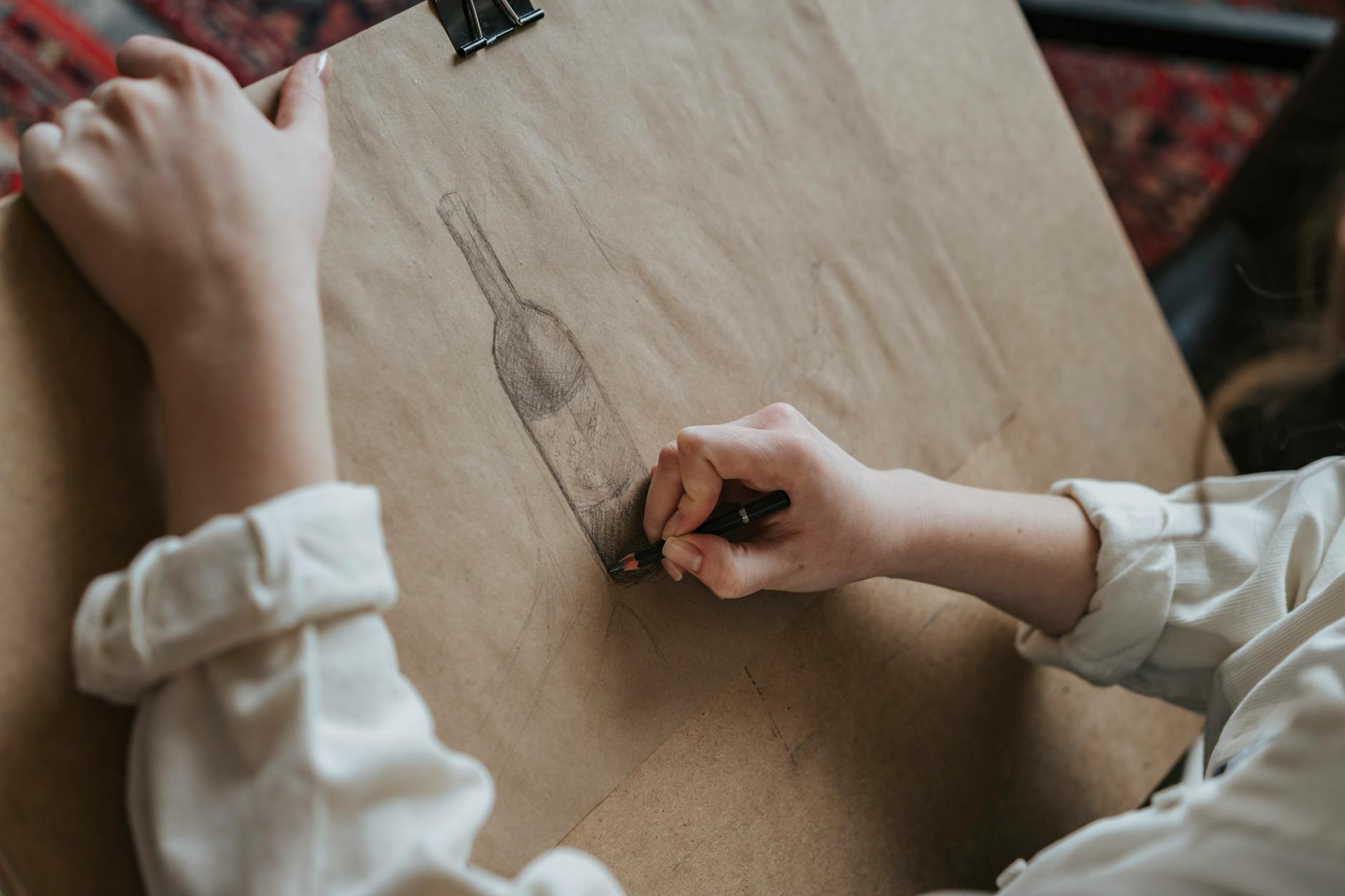
Kentridge’s process remains defiantly analog in digital times. He writes these lectures with a fountain pen, distrusting screens for their “slipperiness” and how they erode memory formation. The physical act of writing, he notes, “pushes thinking farther up the arm” – engaging shoulder and elbow rather than just finger movements on keyboards.
This commitment to hand-drawing extends beyond nostalgia. The fountain pen’s speed creates what Kentridge calls “productive illegibility,” where uncertain thoughts emerge faster than fine motor control can manage. Words blur: “SIGHS OF REPENTANCE” becomes indistinguishable from “SIGNS OF REPENTANCE.” The ambiguity becomes fertile ground for meaning.
Mapping Through Absence
The artist constructs what he terms a “negative biography” – defining himself through everything he hasn’t drawn. His undrawn catalog includes the Queen of England, a photostat machine, beef Wellington, cricket legend Don Bradman, and the moons of Saturn. These absences map cultural distances and artistic blind spots with surgical precision.
Yet the lists betray their own unreliability. Kentridge catches himself claiming he’s never drawn a hippopotamus, then realizing he has. Wagner appears on his “never drawn” list before he corrects himself mid-sentence. Memory proves as slippery as the digital screens he avoids.
The compiled drawings span from intimate domestic scenes – his wife in the bath – to grand historical subjects like Goethe in Italy. Industrial imagery mingles with natural forms: mine headgear alongside bowls of peonies, telephone exchanges next to men on bicycles. Each entry represents a moment when external world intersected with internal vision.
This inventory method reveals how artistic practice accumulates meaning unconsciously. Kentridge didn’t plan to create a self-portrait through subject matter; it emerged from decades of responding to immediate visual impulses. The rhinoceri multiplied not through systematic study but through recurring fascination.

Books as Biographical Architecture
Kentridge extends this thinking to reading habits, describing bookshelves as another form of self-portraiture. The visual memory of specific volumes in familiar positions creates what he calls “intimation of weight” – sensing the accumulated heft of all those unread words. Even books one knows will never be read contribute to this architectural biography.
This physical relationship with knowledge storage explains his resistance to digital reading. Marginal notes need “purchase” on physical pages; phrases remembered by their position “a third of the way down the left-hand page, three-fifths through the book” vanish on screens. Geography of thought requires stable coordinates.
The Studio as Archaeological Site
The lecture preparation forced Kentridge to excavate his own practice, initially planning to discuss recent projects before expanding into this comprehensive inventory. What began as practical organization became existential archaeology. Each drawn subject represents not just aesthetic choice but biographical evidence – proof of attention paid, curiosity followed, obsession indulged.
His lists mix the monumental with the mundane: Roman quinqueremes alongside toast racks, Marcus Aurelius beside Garibaldi biscuits. This democracy of subject matter suggests artistic attention operates independently of cultural hierarchies. The coffee-pot merits equal consideration with classical emperors.
The artist’s inventory method raises questions about how creative practices document their makers. If every mark records a moment of engagement, do decades of accumulated drawings reveal more than intended self-portraits? Does the undrawn catalog – those Yorkshire moors and Spanish galleons – map the limits of imagination or mere circumstance?