




Two New York Moments, One Impossible Tuesday
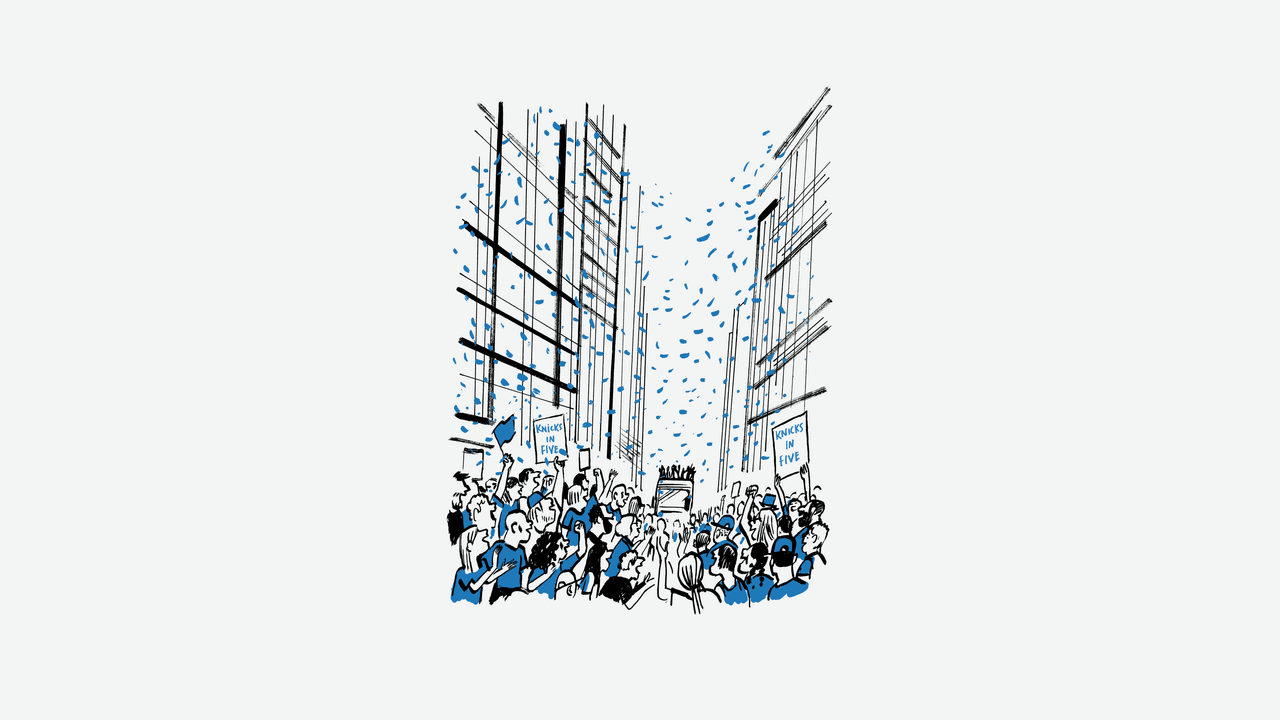
When the Knicks finally brought an N.B.A. championship to New York, Mayor Mamdani got his ticker-tape parade down Broadway – and somewhere in the same city, a teenager sat at a desk trying to remember the causes of World War One.
A Parade and a Pencil, Simultaneously
The timing was not accidental in the way that good timing usually is. Ticker-tape parades follow championships, and Regents exams follow the academic calendar, and neither institution has much patience for the other. The city scheduled both on the same day, which meant that for a particular category of New Yorker – public-school students in the middle of their Regents exams – the championship celebration existed almost entirely as noise.
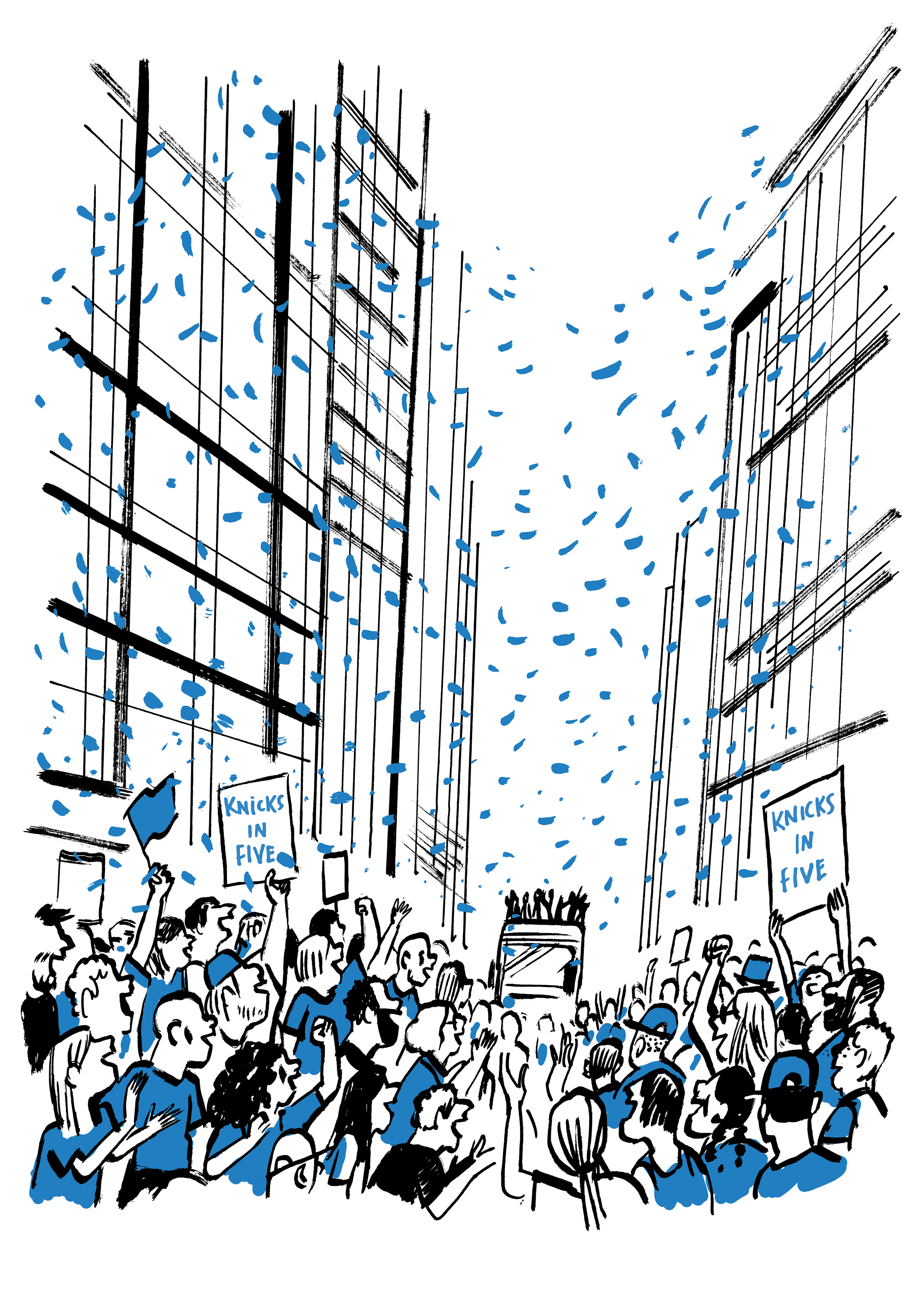
Not muffled noise. The kind that pushes through double-paned windows and gymnasium walls, the kind that carries the specific frequency of a city losing its mind in the best possible way. Out on Broadway, the confetti was falling. Inside the exam rooms, pencils were moving. The contrast was so stark it almost felt staged.
Mayor Mamdani had every reason to own the moment. The Knicks’ N.B.A. championship is exactly the kind of cultural event that a mayor rides hard – the parade, the podium, the photographs that outlast any policy announcement. New York had waited a long time for this. The celebration was real, the crowd was real, and Mamdani’s investment in the optics of civic joy was entirely rational.
But the city’s public-school kids were stuck. Regents exams are not the kind of thing you reschedule because the Knicks won. They are state-administered, date-fixed, and carry actual consequences for graduation. So while Broadway thundered with the parade, students across the five boroughs sat in their seats and tried to concentrate.
What It Means When a City Celebrates Without You
There is something particular about being excluded from a collective moment not by malice but by scheduling. No one decided that public-school students taking their Regents exams should be left out of the Knicks celebration. It simply worked out that way – the calendar of academic accountability and the calendar of athletic triumph arriving at the same intersection without anyone thinking too carefully about who would be standing in the middle of it.
The Regents exam system is a New York institution in its own right, a standardized testing framework that has governed high school graduation in the state for well over a century. Students sit for exams in subjects ranging from algebra to U.S. history to living environment, and the scores carry weight. Failing a Regents exam has real consequences. Passing them is, for many students, the difference between a diploma and a delay. These are not practice tests. These are not optional.
Which is what made the parade thundering past the windows so specifically maddening for anyone inside those exam rooms. The city was, in a very literal sense, celebrating outside the window while demanding academic performance inside. The optics, had anyone thought to frame them that way in the moment, were almost too neat: the public celebration of professional sport interrupted by nothing, while public education kept its appointments without exception.
Mayor Mamdani’s win in this scenario was real and deserved – the Knicks’ championship belongs to the city and celebrating it was the right call. But the students who were stuck at their desks weren’t skeptical of the championship itself. They were skeptical, one imagines, of the specific cruelty of proximity. Hearing something you cannot be part of is a different experience than simply missing it. The parade did not happen across town or on a different day. It happened outside.
New York City’s public schools serve roughly 900,000 students. The Regents exam schedule in late June means that a substantial portion of high schoolers – the ones with exams left to sit – were in buildings along or near the parade route, or close enough to feel the city vibrating around them. The championship belonged to New York. The exam schedule did not care about that even slightly.
Broadway, Briefly, Belonged to Everyone Else
The New Yorker framed the championship as a win for Mayor Mamdani, which it was politically as much as culturally. A parade down Broadway after an N.B.A. title is not just a party – it is a civic statement, and Mamdani was its author. The students who couldn’t attend weren’t a footnote to the event so much as a reminder that the city’s institutions run on parallel tracks that occasionally, jarringly, share the same block.
The image that lingers is not the confetti or the crowd or even the championship itself. It is the window – the exam-room window through which the parade could presumably be heard and possibly glimpsed, a rectangle of someone else’s celebration framing a desk, a Regents booklet, and whatever question happened to be on page four. Was it worth it, getting the timing this wrong? Or did nobody in city planning think the students would notice?