





Coordinated, Violent, and Possibly Just for Fun
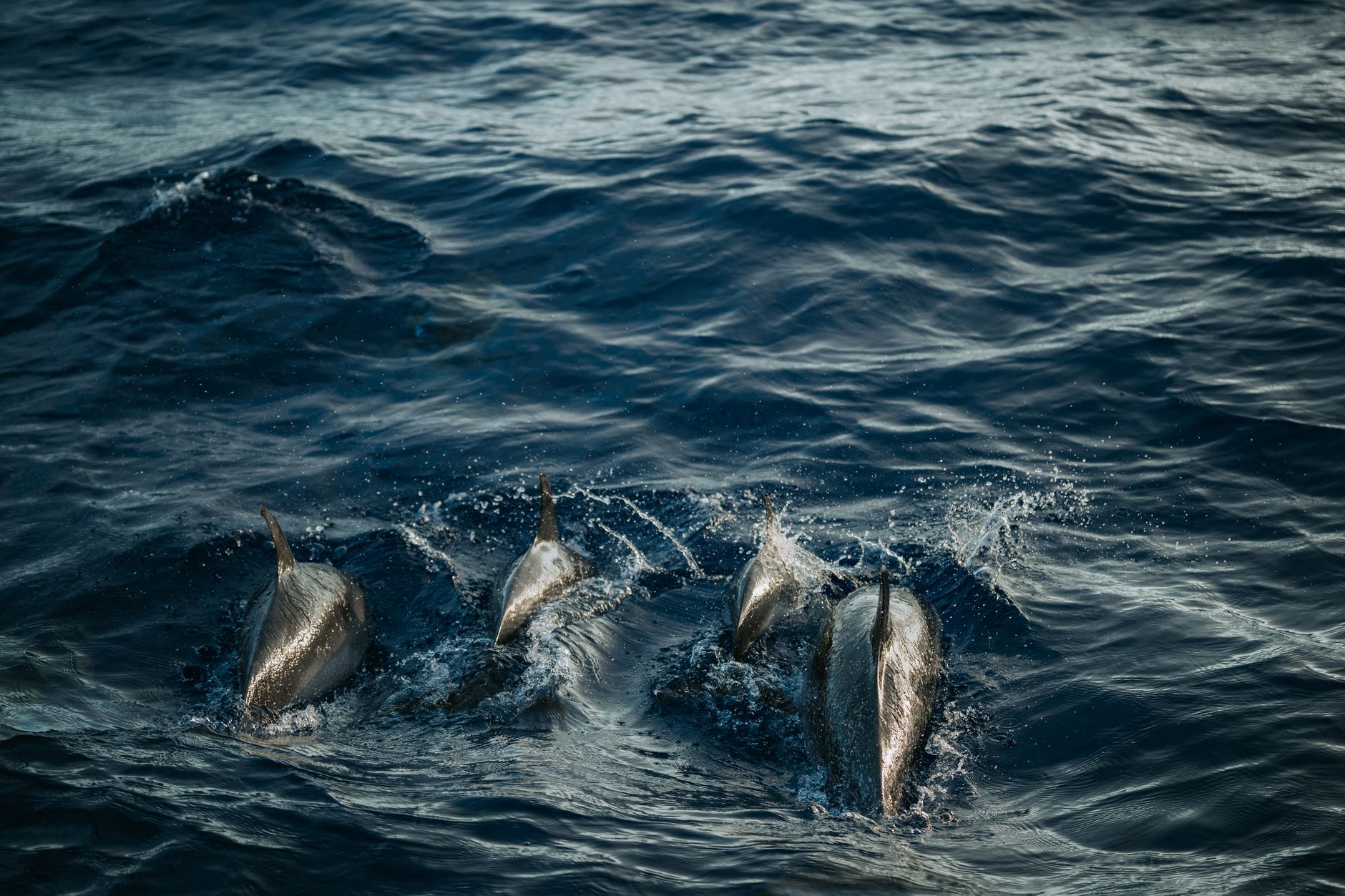
Footage captured in the Gulf of California shows a group of orcas taking turns ramming ocean sunfish with enough force to detonate the carcasses into small fragments. The video, now the subject of a peer-reviewed paper published in Frontiers in Ethology, adds a striking new data point to what researchers already suspected: orcas are capable of organized, high-impact physical behavior that goes well beyond basic hunting.
Co-author Kathryn Ayres of Beneath The Waves – a nonprofit focused on ocean health – offered two competing explanations for what the footage shows. “We think this may help younger orcas feed more easily,” she said, “or it could also just be for fun. Orcas are known for playing with their food.” Neither possibility is more alarming than the other, but together they suggest the behavior is less about raw hunger and more about something harder to categorize.
What the Behavior Actually Looks Like
The mechanics matter here. Orcas have been documented using force to strip flesh from prey before, but the sunfish incidents are different in kind, not just degree. The animals worked together – repeatedly, with apparent coordination – until the sunfish body gave out entirely. That distinction is what prompted the researchers to treat this as a separate behavioral category worth documenting.
Orcas have a well-established repertoire of cooperative hunting techniques. They have been filmed ramming whale sharks while a second orca holds the prey in place. They herd mobile rays in groups. When targeting white sharks, some individuals block escape routes while others close in. They also produce deliberate waves to knock penguins off ice floes – a technique that requires timing and group awareness that most animals simply don’t demonstrate.
The sunfish behavior fits within that broader pattern, but the explosion-level force applied here is not something researchers had previously recorded against this particular prey. Sunfish – formally known as Mola mola – are among the heaviest bony fish in the ocean, sometimes exceeding 2,200 pounds. The fact that repeated orca strikes could fragment a carcass of that density says something about the force being generated, and about how consistently it was applied across multiple animals in sequence.
Culture, Learning, and the Boat-Ramming Connection
This is not happening in isolation. Over the past several years, orcas – particularly off the Iberian Peninsula – have been documented ramming sailing vessels, occasionally sinking them. Scientists studying those incidents have concluded the behavior is likely culturally transmitted, meaning it spreads through populations the same way human behaviors spread: through observation, imitation, and repetition across generations. One individual appears to start something; others pick it up; it eventually becomes normal within that group.
The sunfish ramming in the Gulf of California may be following the same transmission path. Ayres’s framing – that younger orcas may be learning to feed more easily by watching adults blow up the prey first – describes a teaching mechanism, even if it isn’t a conscious one. The distinction between “social learning” and “play” may not be especially meaningful from the orca’s perspective. Both require the same cognitive infrastructure: memory, attention to others, and the ability to replicate observed actions.
What makes this footage particularly relevant to how researchers think about orca cognition is that cooperation here is not incidental. The animals are not simply feeding side by side. They are taking turns. That sequencing implies some form of group awareness – each animal waiting, then acting, then ceding space for the next – which is either a learned behavioral script or something closer to deliberate coordination. Neither interpretation is comforting if you’re a sunfish, or, arguably, a sailboat.
Orcas engaging in behavior that has no clear nutritional payoff is not new. They have been documented carrying dead prey for extended periods, engaging in repetitive striking after a kill, and interacting with objects in ways that serve no obvious survival function. The category of behavior that scientists describe as social interaction, play, or practice overlaps more than it separates – and the sunfish footage lands squarely in that overlap.
Why This Keeps Happening on Camera
Increased underwater filming, wider deployment of drone cameras, and the growing presence of research vessels in orca habitats have made it possible to document behaviors that were almost certainly happening long before anyone recorded them. The Beneath The Waves organization – the nonprofit where Ayres works – operates specifically to generate this kind of data, positioning cameras in locations and at angles that traditional observation couldn’t reach.
The Frontiers in Ethology paper does not claim to resolve whether the sunfish ramming is primarily functional or primarily social. What it establishes is that it happened, that it was coordinated, and that the force involved was sufficient to destroy a very large animal completely. The question of whether orcas are teaching each other a feeding technique or simply discovering new ways to enjoy an afternoon remains, for now, genuinely open.
Ayres shot the original footage herself – her name appears in the image credit – which means the researcher who helped write the paper was also the person in the water with a camera when the sunfish came apart.