





The State That Wasn’t Supposed to Flip
Texas has spent decades functioning as a kind of political shorthand – the word itself conjures boots, oil money, and a Republican stranglehold so deep it feels geological. But political identities that look permanent rarely are, and the story of how Democrats in Texas have kept organizing, kept running, and kept losing while somehow not stopping is worth more than the usual post-election autopsy. There is something specific happening in that state, and it has less to do with polling models than with a particular cultural stubbornness that Texans across party lines seem to share in their bones.
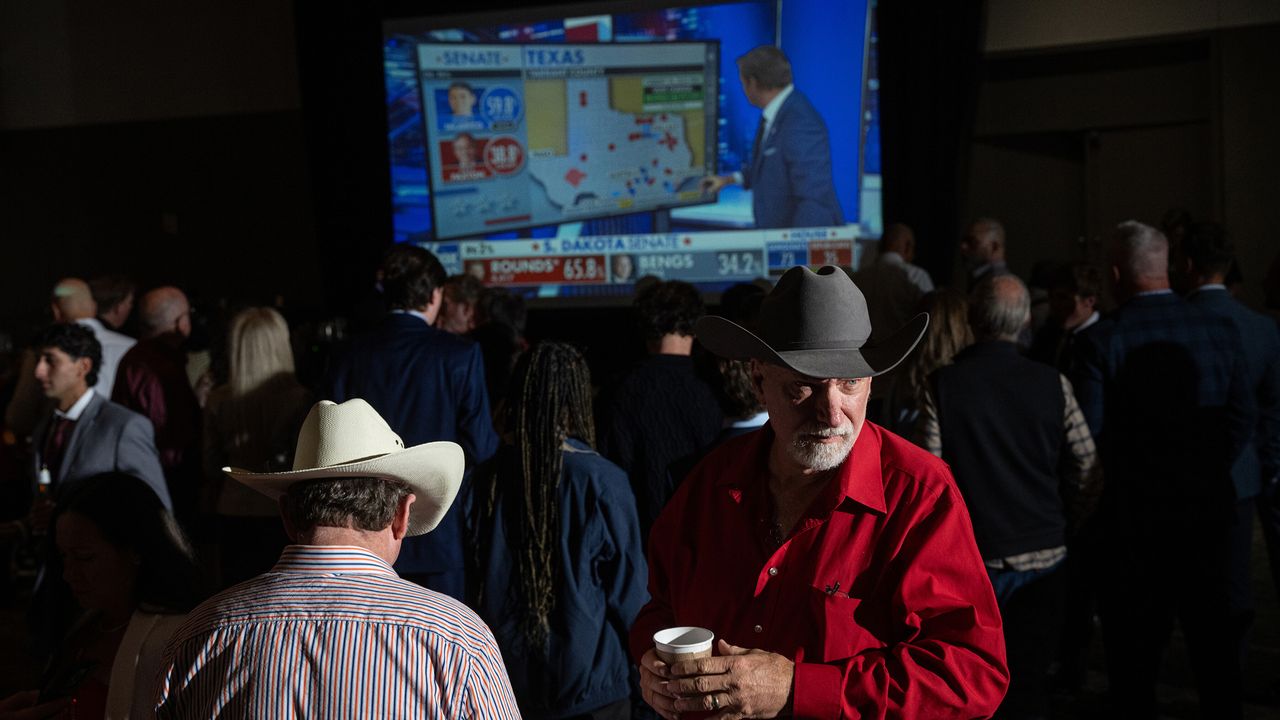
What the New Yorker’s framing captures – that Texas conservatives aren’t the only ones who remember the Alamo – is not mere rhetorical decoration. It points to something real about how political memory works in a state where defeat has been mythologized into identity. Texas Democrats have absorbed that mythology and turned it sideways, using the same emotional architecture that built Republican dominance to sustain a movement that, by any conventional calculus, should have collapsed years ago.
When Losing Becomes the Organizing Principle
Most political movements draw energy from momentum – from wins that prove the work is worth doing. The Democratic operation in Texas has had to build something structurally different: an infrastructure sustained not by victory but by the idea that the fight itself carries meaning. That’s a harder sell in a data-driven era where donors want return on investment and volunteers want to see results. It also happens to be, historically, how durable political coalitions actually get built. The decades of Republican organizing in states that once leaned Democratic followed exactly this pattern – slow, expensive, and invisible until it suddenly wasn’t.
The Alamo reference is worth sitting with. The battle was a military catastrophe for the Texans who died there, and it became the founding myth of a state. What Texas conservatives have long understood – and what the state’s Democratic activists appear to have internalized – is that a story about defiant persistence against impossible odds is more culturally durable than a story about winning. It binds people to a cause in a way that electoral math simply cannot. That binding is what makes an apparently hopeless campaign feel, to the people running it, like something worth showing up for.
This is not purely abstract. The on-the-ground organizing in Texas has produced measurable shifts in registration numbers, turnout in urban counties, and the demographic composition of the electorate – even when those shifts haven’t yet translated into statewide wins. The machinery being built now is real machinery, and the people building it understand that the timeline may not match the news cycle, the donor cycle, or anyone’s patience. That gap between effort and visible result is precisely what makes Texas such an instructive case for anyone thinking about how political change actually moves.

What the Rest of the Country Keeps Getting Wrong
There’s a habit in national political coverage of treating Texas as either a lost cause or an imminent flip – and both readings tend to miss the actual story. The lost-cause framing dismisses real demographic and organizational change. The imminent-flip framing consistently overpromises and sets up a cycle of disappointment that drains exactly the kind of sustained energy the work requires. Neither posture serves the people doing the organizing.
The more honest read is that Texas is a state in a long process of political realignment – the kind that doesn’t announce itself cleanly and doesn’t respect election-year deadlines. Texas Democrats know this. Many of them have made peace with the probability that the breakthrough, if it comes, may not come on their watch. That acceptance, counterintuitively, is what keeps them functional. It is also, for anyone watching from outside the political context, a genuinely interesting cultural phenomenon – a community organized around long-game thinking in an era that structurally rewards the short one.
The Cultural Weight of Political Myth
It matters that this is Texas specifically. The state’s self-image is saturated with iconography – the Alamo, the frontier, the independent streak that predates its annexation by the United States. That iconography has historically served the right. The cowboy hat, the pickup truck, the implicit suggestion that real Texans vote a certain way – these aren’t just aesthetics, they’re a soft form of political enforcement. For Democrats in Texas, organizing has always meant working against not just a party but a cultural grammar that treats their presence as an anomaly.
What’s shifted, gradually, is that the state’s demographics and geography have complicated that grammar enough to make it contestable. The growth of cities like Austin, Houston, Dallas, and San Antonio has created population centers where the old cultural shorthand doesn’t hold. The question isn’t whether those centers exist – they obviously do – but whether the organizing infrastructure can connect them into something that moves statewide numbers.
The Alamo story, in its original form, is about a group of people who chose to fight in a situation that was, militarily, already decided. They lost. The fight became the point. Thirteen days of holding a position everyone knew could not be held – and out of that defeat, a mythology so durable it has shaped a state’s political culture for nearly two centuries. That Texas Democrats have found a way to inhabit that same emotional register, to frame their own apparently unwinnable fight in terms the state’s culture already understands and respects, is genuinely strange and genuinely worth watching.
It doesn’t guarantee anything. The demographics don’t guarantee anything. The organizing doesn’t guarantee anything. What the Texas Democratic experience suggests is that political identity – the story a group tells about why it keeps showing up – matters more than most electoral models account for. Republicans in Texas built dominance over decades on exactly that principle. The question now is whether the other side has finally learned it well enough, and whether the classroom the Alamo built has room for more than one kind of student.

The next election cycle will produce new numbers, new narratives, and new reasons to call Texas either lost or winnable. The organizers on the ground will largely ignore both verdicts and go back to knocking on doors in counties where the results, for now, still look the same as they always have.