





Seven Decades of Destruction, Finally Taken Seriously
Godzilla has been leveling Tokyo since 1954 – a full 70 years of radioactive breath, collapsing skyscrapers, and audience devotion that defies easy explanation. For most of that run, the franchise occupied a comfortable niche: beloved by monster enthusiasts, dismissed by everyone else. That arrangement held until recently, when two films quietly dismantled the ceiling that had always kept Godzilla out of serious cultural conversation.
Those two films are Godzilla Minus One and its follow-up, Godzilla Minus Zero. Together, they have done something the franchise never managed across dozens of earlier installments – they made critics pay attention, made awards bodies take notes, and made audiences who had never once cared about kaiju buy tickets anyway.
What Took So Long
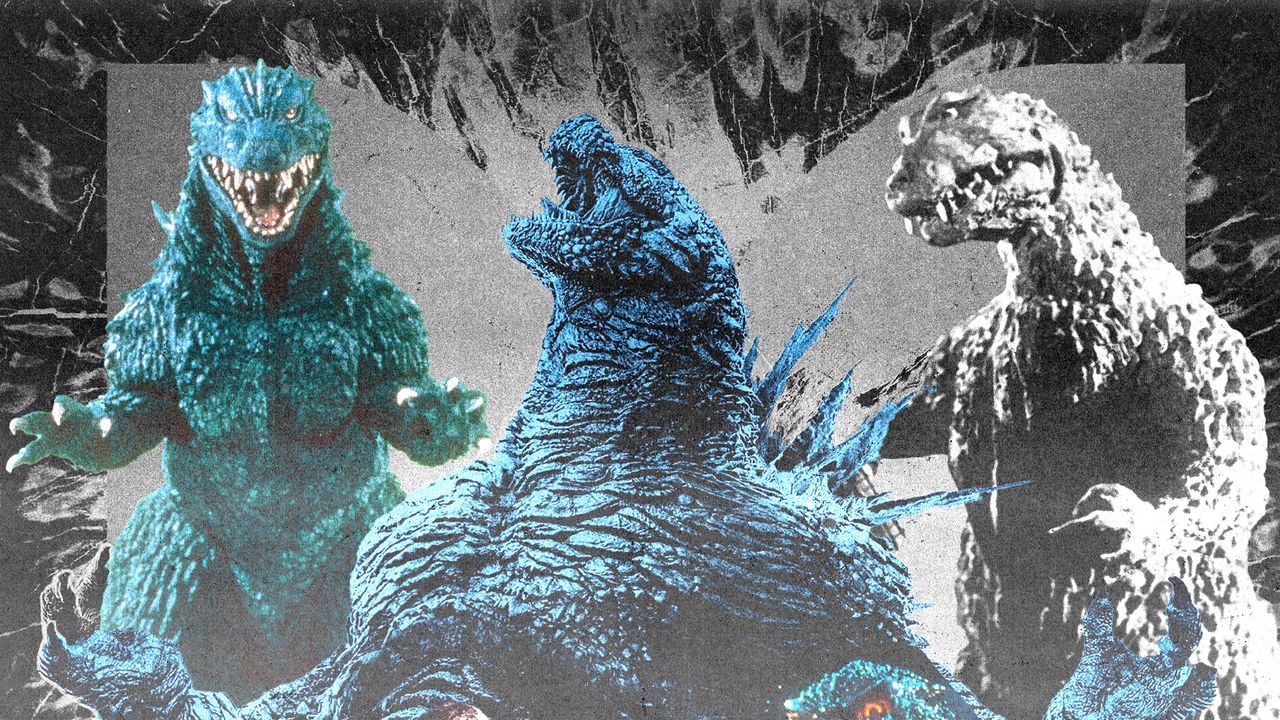
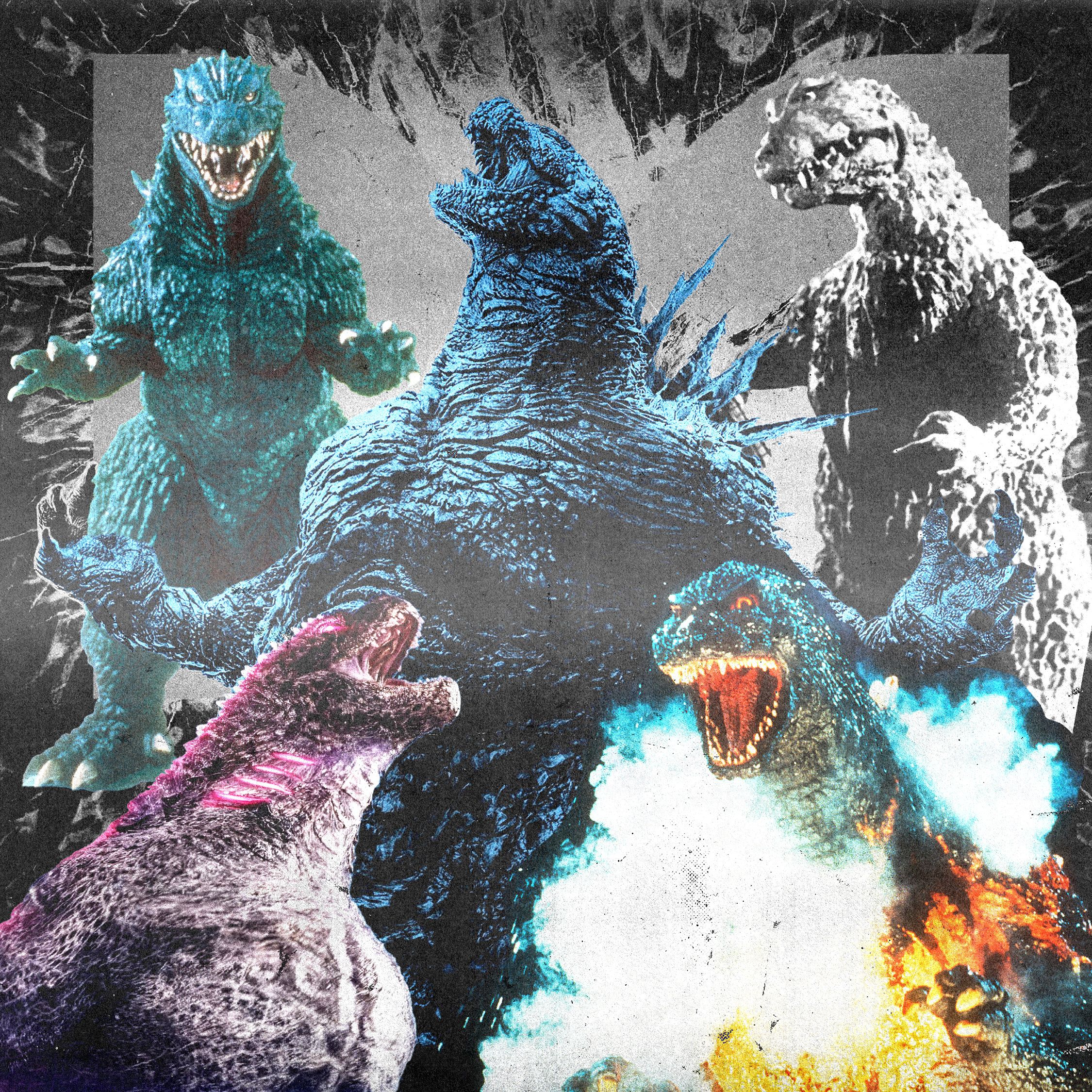
The original 1954 film was never meant to be disposable. Directed in postwar Japan, it carried genuine weight – a country still processing atomic devastation found its grief refracted through a monster born from nuclear testing. That seriousness eroded over subsequent decades as the franchise expanded, multiplied, and eventually became the shared property of Hollywood reboots, theme park rides, and cinematic universe machinery. The creature that once embodied existential horror became a brand.
Brands are hard to take seriously. And so for years the critical posture toward Godzilla films settled into a comfortable condescension: fun, maybe, in an unpretentious way, but not meaningful. The films rarely pushed back against that reading. Most seemed content to deliver scale and spectacle without asking audiences to feel anything beyond the visceral pleasure of watching something enormous destroy something else enormous.
What Godzilla Minus One changed was not the monster – it changed what surrounded the monster. The human story was no longer scaffolding holding up the kaiju sequences. It was the point. Grief, survivor’s guilt, and the psychological wreckage of wartime Japan were placed at the center, and the creature arrived as an extension of that damage rather than a distraction from it. The result felt less like a genre film with ambitions and more like a drama that happened to contain a 50-meter apex predator.
The Style of Serious Monster Cinema
There is a visual grammar to prestige filmmaking – restrained palettes, deliberate pacing, the camera held on faces long enough to register actual thought – and both recent Godzilla films adopted it without apology. This matters for a franchise historically associated with practical effects, rubber suits, and the pleasurable campiness of watching miniature city blocks get stomped. The shift in visual register sent a signal to audiences before a single line of dialogue: this is different now.
Style is not superficial in this context. The decision to treat the franchise’s aesthetic as something worth upgrading, rather than preserving as nostalgic artifact, reflects a specific confidence – a belief that the source material could hold the weight of serious craftsmanship without collapsing into self-parody.
Tokyo as a Through Line
Both films return to Tokyo, the city that has absorbed Godzilla’s destruction across seven decades and across wildly different versions of Japan. That consistency is worth sitting with. Tokyo in 1954 was a city in the shadow of two atomic bombs, a place where the concept of sudden, incomprehensible annihilation was not metaphor but lived memory. Tokyo today is something else – a global fashion capital, a city that draws international designers and cultural events from around the world – and yet the monster keeps returning to it, and audiences keep accepting that return as natural.
The city functions as the franchise’s fixed point. Everything else – the tone, the budget, the country producing the film, the cultural anxieties being processed – has shifted dramatically since 1954, but Tokyo remains the destination. There is something in that repetition that suggests Godzilla is less about the monster than about the city’s relationship to catastrophe, its ability to absorb destruction and persist.
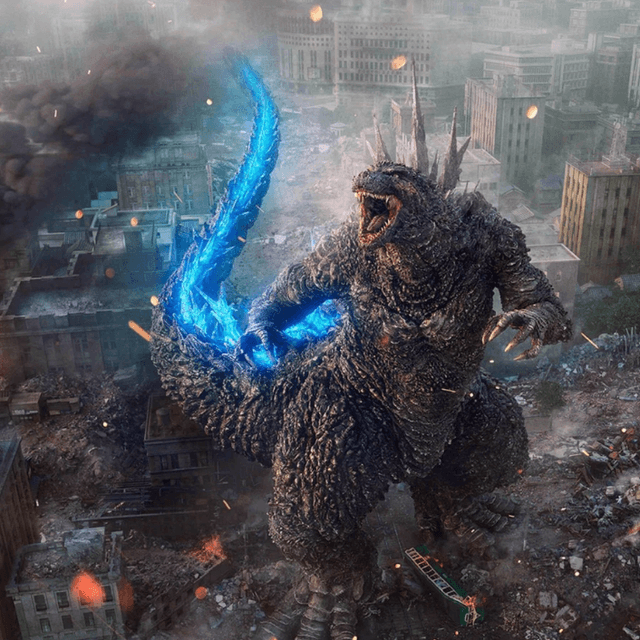
What Minus One and Minus Zero understood is that Tokyo’s resilience is not triumphant. It is exhausted, earned, and loaded with cost. The films don’t let the city off the hook the way blockbuster destruction sequences usually do, where rubble is cinematic texture rather than consequence. The rubble here lands. It accumulates. Characters stand in it and don’t deliver speeches about rebuilding – they just look at what’s gone.
That specificity of place, that refusal to treat destruction as decoration, is the clearest line connecting the two recent films back to the 1954 original. The monster has always been a vehicle. The question the franchise kept failing to ask, until now, was: a vehicle for what, exactly, and for whom?
Prestige and Its Discontents
Not everyone is comfortable with what the franchise has become. There is a strand of Godzilla fandom that formed around the campier, more expansive iterations – the films where the monster was hero as much as threat, where stakes were planetary but the register was playful. Minus One and Minus Zero have little patience for that version. They are not interested in being fun in that particular way.
That is a legitimate creative choice, and it has produced legitimate results. But it also means the franchise is now serving two audiences with increasingly different expectations – the new viewers drawn in by critical acclaim and awards attention, and the long-term fans who built their devotion on a different kind of Godzilla entirely. Whether subsequent films attempt to reconcile those two audiences or simply commit further to the prestige direction is not yet clear.
What is clear is that after 70 years, Godzilla has finally been taken seriously in the way serious things are taken seriously – with money, with attention, and with the particular reverence that comes when critics decide something they ignored for decades was actually worth their time all along. The monster didn’t change. The industry’s willingness to treat it as something other than a franchise property did.
And somewhere in a Tokyo still marked by destruction across seven decades of film, the question of whether that seriousness gets sustained – or whether it was a brief window that closes as quickly as it opened – remains unanswered.