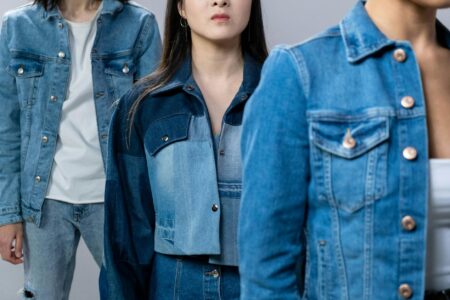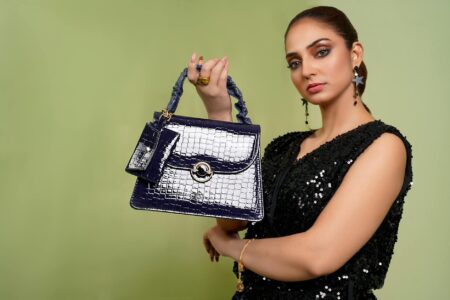




Bright fuchsia Bottega Veneta bags now command six-month waiting lists. Electric lime Jacquemus mini dresses sell out within hours. Neon orange Hermès scarves have become the new status symbol among fashion insiders. The luxury fashion world has embraced dopamine dressing with unprecedented fervor, transforming vivid colors from casual weekend wear into high-end investment pieces.
Dopamine dressing, the psychology-backed trend of wearing bright colors to boost mood and confidence, has evolved far beyond its wellness origins. What started as a mental health strategy during pandemic lockdowns has morphed into luxury fashion’s most profitable movement, with designers charging premium prices for pieces that promise emotional elevation alongside status elevation.
The shift represents a dramatic departure from the understated luxury that dominated fashion for decades. Gone are the days when true wealth whispered in beige and navy. Today’s affluent consumers are shouting their success in electric blue Valentino coats and sunshine yellow Chanel quilted bags.
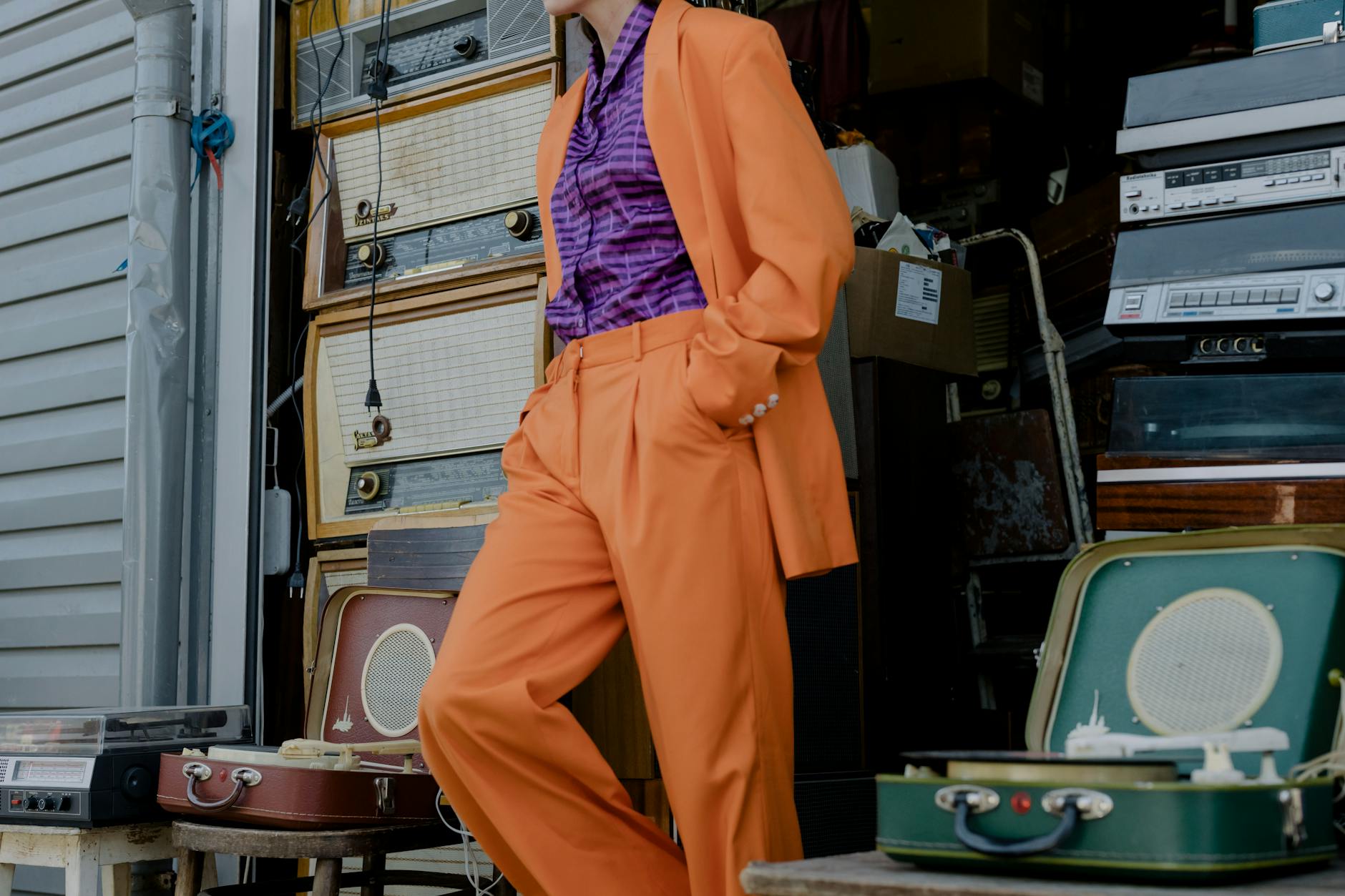
The Science Behind the Sales
Color psychology research supports what luxury brands have discovered empirically. Studies from the Fashion Institute of Technology show that wearing bright colors can increase confidence levels by up to 25% and improve social interactions significantly. Dr. Karen Pine, professor of psychology at the University of Hertfordshire, notes that clothing colors directly impact both the wearer’s mood and how others perceive them.
Luxury brands have weaponized this science, marketing their brightest pieces not just as fashion statements but as tools for success. Prada’s neon green nylon bags come with marketing copy about “empowerment through color.” Saint Laurent’s hot pink Le Smoking jackets are positioned as “confidence enhancers for the modern woman.”
The strategy works because it taps into post-pandemic psychology. After years of muted tones and staying indoors, consumers crave vibrancy. But they want that vibrancy wrapped in luxury packaging, creating what industry analysts call “therapeutic luxury” – items that promise both status and emotional benefits.
High-end retailers report that bright-colored items now sell at margins 15-20% higher than their neutral counterparts. A standard black Bottega Veneta Jodie bag retails for $3,200, while the same bag in “parakeet green” commands $3,600. The color premium has become an accepted part of luxury pricing.
Celebrity Catalyst Effect
Celebrity adoption has accelerated dopamine dressing’s luxury transformation. When Beyoncé wore a custom hot pink Valentino gown to her Renaissance tour premiere, searches for pink luxury dresses increased 340% within 48 hours. Taylor Swift’s preference for bright red Louboutin heels during her Eras Tour sparked a renaissance in statement footwear.
But it’s not just pop stars driving the trend. Tech executives have embraced bright colors as power moves. Sheryl Sandberg’s collection of vibrant Hermès scarves became legendary in Silicon Valley, spawning imitators across the industry. Even traditionally conservative finance executives now pepper their wardrobes with electric blue Tom Ford shirts and emerald green Brunello Cucinelli blazers.
The celebrity influence extends beyond individual pieces to entire color stories. When multiple A-listers appear at events wearing similar bright hues, luxury brands quickly capitalize. After several Oscar attendees wore various shades of electric yellow, brands from Bottega Veneta to Balenciaga rushed out “sunshine collections” with premium pricing.
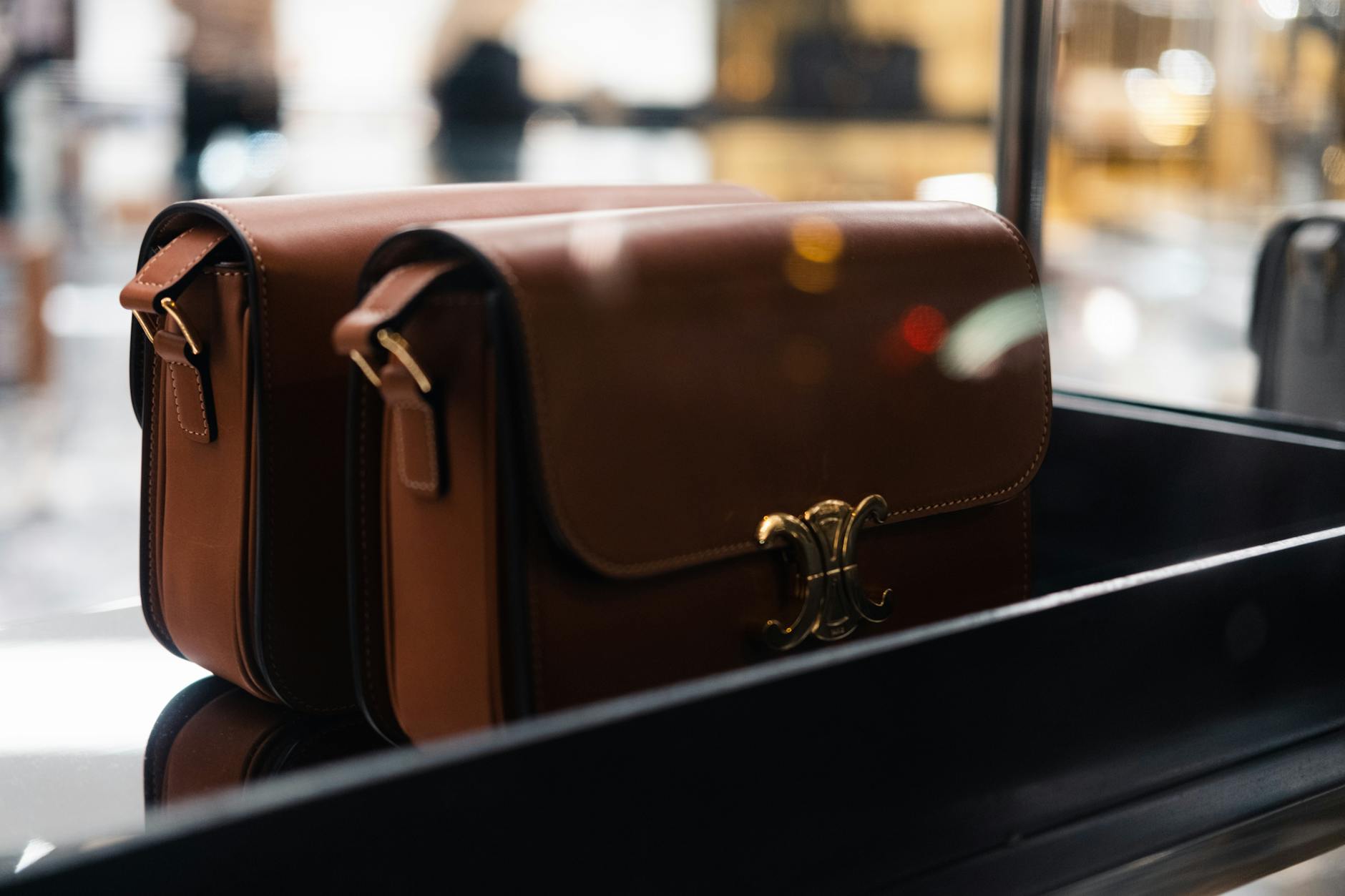
Social media amplifies this celebrity effect exponentially. A single Instagram post featuring a bright luxury piece can generate millions in sales within days. The visual nature of platforms like TikTok and Instagram makes dopamine dressing particularly shareable, creating viral moments that translate directly to purchase decisions.
The Premium Color Economy
Luxury brands have created artificial scarcity around their brightest pieces, manufacturing exclusivity through limited production runs and waiting lists. This scarcity marketing transforms what should be simple color variations into coveted collectibles.
Hermès leads this strategy with their Birkin and Kelly bags. While classic colors like black and brown are consistently available, electric blue or lime green versions appear only in limited quantities, often allocated to top-tier clients. This creates a two-tiered system where color becomes the ultimate luxury differentiator.
The production costs don’t justify the price premiums. Manufacturing a hot pink leather handbag costs roughly the same as producing a black one. The markup comes from perceived value and demand management. Brands have successfully convinced consumers that bright colors require special expertise and materials.
Smaller luxury brands have followed suit, with emerging designers launching exclusively in bright colorways to command attention and higher prices. This contrasts sharply with the minimalist jewelry trend inspired by tech company aesthetics, showing how luxury markets can support seemingly opposite philosophies simultaneously.
The resale market reflects this premium positioning. Bright-colored luxury items often retain value better than neutral alternatives, particularly for iconic pieces. A neon green Bottega Veneta bag might sell for 90% of retail price on the secondary market, while the same bag in black might fetch only 70%.
Breaking the Neutral Monopoly
For decades, luxury fashion operated on the principle that true wealth was understated. Chanel’s little black dress, Hermès’ classic tan leather goods, and Armani’s muted suiting dominated high-end wardrobes. This philosophy suggested that flashy colors were for those seeking attention rather than those who already commanded it.
Dopamine dressing has shattered this paradigm completely. Bright colors now signal confidence, success, and forward-thinking attitudes. The wealthy are increasingly choosing electric lime over beige, not despite their status but because of it.
This shift reflects broader cultural changes. Younger luxury consumers, particularly millennials and Gen Z, reject the idea that wealth should be hidden. They want their success visible and their personalities expressed through their purchases. Unlike the return of Y2K fashion that has Gen Z raiding thrift stores, dopamine dressing in luxury channels represents a willingness to pay premium prices for emotional satisfaction.
The psychological appeal extends beyond individual confidence. In corporate environments, bright colors have become strategic tools. A electric blue blazer in a boardroom sends different signals than traditional navy – it suggests innovation, confidence, and willingness to stand out. These professional applications have driven significant B2B luxury sales.
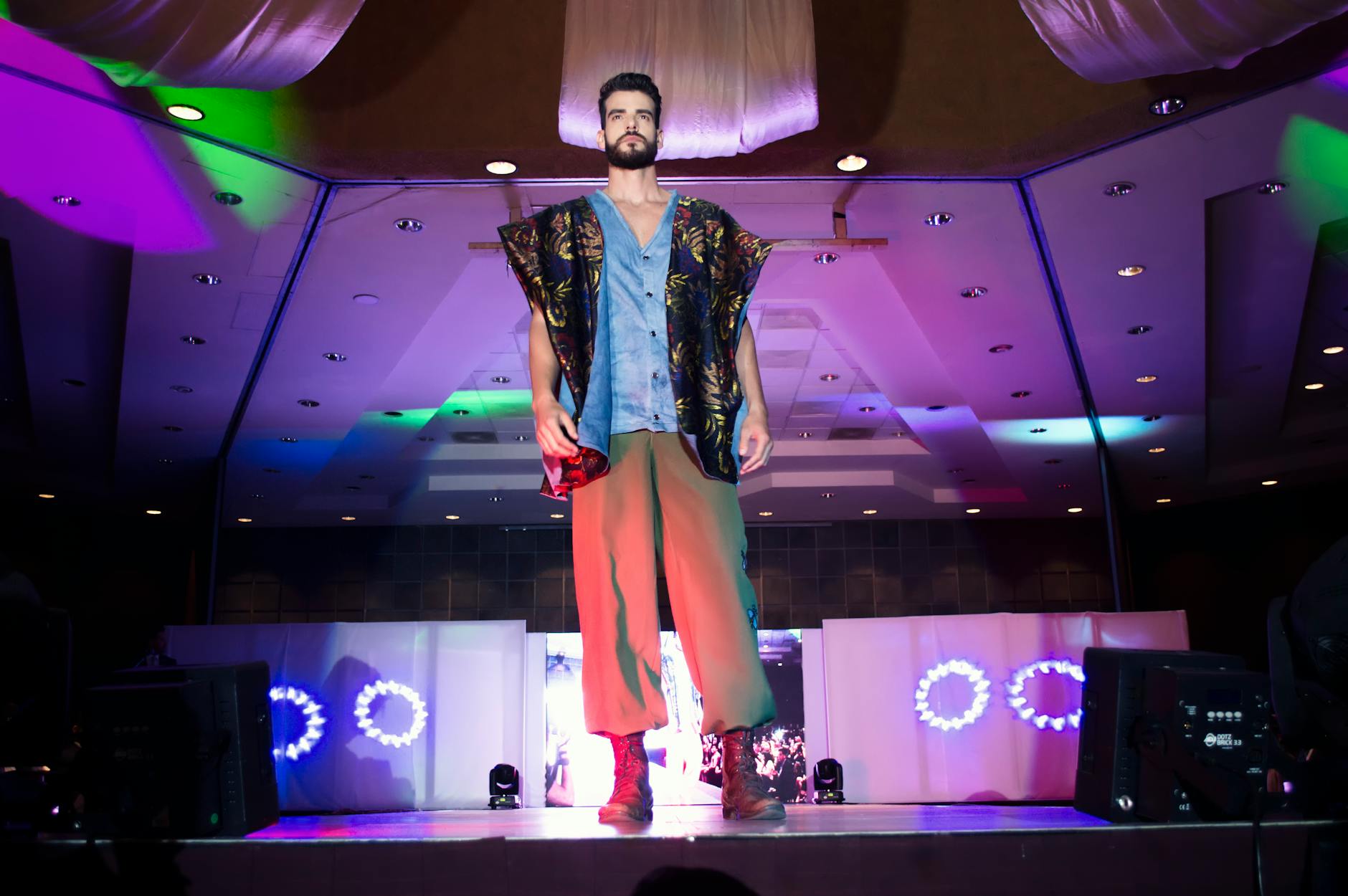
The trend shows no signs of slowing. Luxury brands are investing heavily in color research, partnering with psychology experts to develop new hues that promise specific emotional benefits. Pantone’s influence on luxury fashion has never been stronger, with brands rushing to interpret the Color of the Year through their most expensive pieces.
As dopamine dressing continues evolving, expect luxury brands to push color boundaries even further. The success of bright luxury pieces has proven that consumers will pay premiums for emotional benefits, opening new possibilities for psychological luxury marketing. The next frontier might be scientifically-formulated color combinations designed to optimize specific moods or enhance particular personality traits.
The transformation from wellness trend to luxury status symbol demonstrates fashion’s ability to monetize human psychology. What began as a simple strategy to feel better through color has become a sophisticated luxury market where emotional enhancement commands the highest prices.
Frequently Asked Questions
What is dopamine dressing in luxury fashion?
Dopamine dressing in luxury fashion refers to high-end brands creating premium bright-colored pieces that promise mood enhancement alongside status.
Why do bright luxury items cost more than neutral colors?
Brands create artificial scarcity and market bright colors as requiring special expertise, plus consumer demand supports premium pricing.