





When the Underground and the Legal Market Sell the Same Thing
Tim Pughsley ran a sports-betting website that processed billions of dollars in wagers – and for years, nobody stopped him. He built what amounted to a fully operational bookmaking business at a moment when the American gambling industry was undergoing the loudest, most publicly celebrated expansion in its history. Then the IRS got involved, and Pughsley became the latest figure to learn that the difference between a criminal enterprise and a licensed sportsbook is mostly a matter of paperwork, lobbying, and which state you happen to be standing in.
The timing could not have been more pointed.
FanDuel and DraftKings now advertise during NFL games, sponsor stadium naming rights, and run television spots featuring retired quarterbacks. Their combined market presence is enormous. And yet the mechanics of what they do – accepting money from bettors, setting odds, paying out winners, taking a cut – are functionally identical to what Pughsley was doing when federal investigators came for him. That symmetry is not incidental. It sits at the center of every serious question the case raises about how the United States has chosen to regulate, and prosecute, gambling.
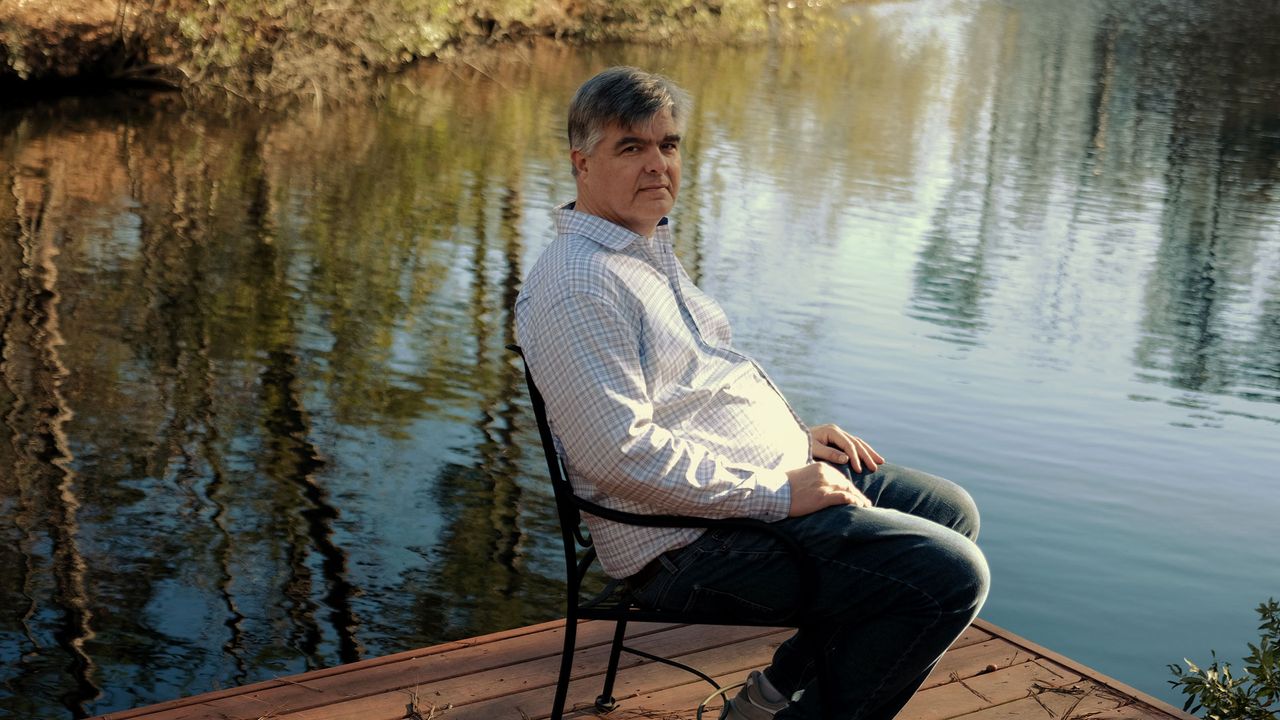
How Pughsley Built It
The architecture of Pughsley’s operation was not hidden in any meaningful sense. He built a sports-betting website – not a back-alley phone line, not a coded ledger passed between middlemen, but a functional digital platform that people used to place bets on sporting events. It moved billions of dollars. That figure is not a rounding error or a prosecutorial exaggeration designed to inflate the stakes at sentencing. It reflects the actual volume of a business that was, by most operational measures, running like one.
The IRS, not the FBI, not the DEA, not some specialized gambling enforcement unit, was ultimately the agency that brought him down. That detail matters. Federal authorities have historically used tax enforcement as a vehicle for prosecuting figures whose underlying conduct is difficult to charge directly – Al Capone being the most famous example. Whether the Pughsley prosecution fits that mold, or whether it was straightforwardly a tax case that happened to involve gambling, shapes how you read the government’s motivations. The IRS does not typically pursue operators unless the money involved is significant enough to register as a genuine revenue problem for the federal government.
What made Pughsley’s website function was the same infrastructure that makes any online sportsbook function: a platform, a payment system, a set of odds, and a customer base willing to use it. He had all four. The distinction between his operation and a licensed one was not technological, not operational, and not even – at the level of user experience – particularly visible to the people placing bets.

FanDuel, DraftKings, and the Boundary That Keeps Moving
The legal sports-betting market in the United States is a recent invention. For decades, Nevada held a near-monopoly on legal sports wagering. The Supreme Court’s 2018 decision in Murphy v. National Collegiate Athletic Association changed that, opening the door for states to legalize sports betting individually. What followed was a rapid and extremely well-funded expansion by companies like FanDuel and DraftKings, both of which had already built large user bases through daily fantasy sports – a category that had itself occupied a contested legal gray zone for years before regulators largely chose not to pursue it.
The speed of that legalization meant that the line between legal and illegal gambling shifted faster than most enforcement frameworks could track. An operator running a sports-betting site in 2015 was doing something categorically different, legally speaking, from an operator running an identical site in 2023 – not because the technology changed, not because the ethics of gambling changed, but because state legislatures moved, lobbyists succeeded, and tax revenue projections started looking attractive to governors. Pughsley was operating in that environment. His case forces the question of whether the government was prosecuting him for harm caused or simply for failing to obtain the right licenses before the licensing regime existed in a form he could access.
FanDuel is majority-owned by Flutter Entertainment, an Irish company. DraftKings is publicly traded on the Nasdaq. Both companies spend heavily on advertising and have established compliance departments, regulatory relationships, and legal teams. These are the features that distinguish them from Pughsley – not the fundamental act of taking bets on football games. The moral weight of that distinction is something American gambling law has never fully resolved, and the Pughsley case does not resolve it either.
What the Prosecution Actually Means
Federal gambling prosecutions have always carried an implicit message about who gets to profit from the American appetite for sports wagering. For most of the twentieth century, that message was simple: nobody, except in Nevada, except in ways the state controlled tightly. The post-2018 message is different and more complicated. Now the answer is: licensed corporations, operating in states that have chosen to legalize, under regulatory frameworks that take a percentage, can profit freely. Everyone else remains a criminal.
That framework produces winners and losers that do not map neatly onto any coherent theory of harm. The bettors using Pughsley’s site were doing exactly what bettors using DraftKings are doing. The money moving through his platform was funding the same basic human impulse – the desire to put something at stake on a game’s outcome – that FanDuel has turned into a publicly listed stock. The argument that licensed operators are safer, more transparent, or better for consumers is not wrong, exactly, but it is also not the argument the IRS was making when it pursued Pughsley. The IRS was making an argument about taxes.

The story of Tim Pughsley and his billion-dollar betting site is, at its core, a story about what happens when an informal economy gets formalized around you while you are still operating inside it. Pughsley built something that worked, that people used, and that moved enough money to attract the attention of federal investigators – and the companies that now dominate the legal market built something structurally similar, raised venture capital, hired lobbyists, and got there first. The IRS took Pughsley down. FanDuel rang the opening bell at the New York Stock Exchange.