





Bookstores across America are witnessing something unexpected: packed reading circles where strangers become friends over shared stories. After years of digital isolation, independent bookshops report their book clubs are not just surviving but thriving, with waiting lists stretching months and discussions spilling into nearby coffee shops long after official meetings end.
The resurgence represents more than literary enthusiasm. These intimate gatherings have evolved into essential community anchors, filling a social void that online book discussions and virtual meetups couldn’t satisfy. Store owners describe scenes reminiscent of neighborhood salons from decades past, where animated debates about character motivations blend with personal revelations and genuine friendships form over dog-eared paperbacks.
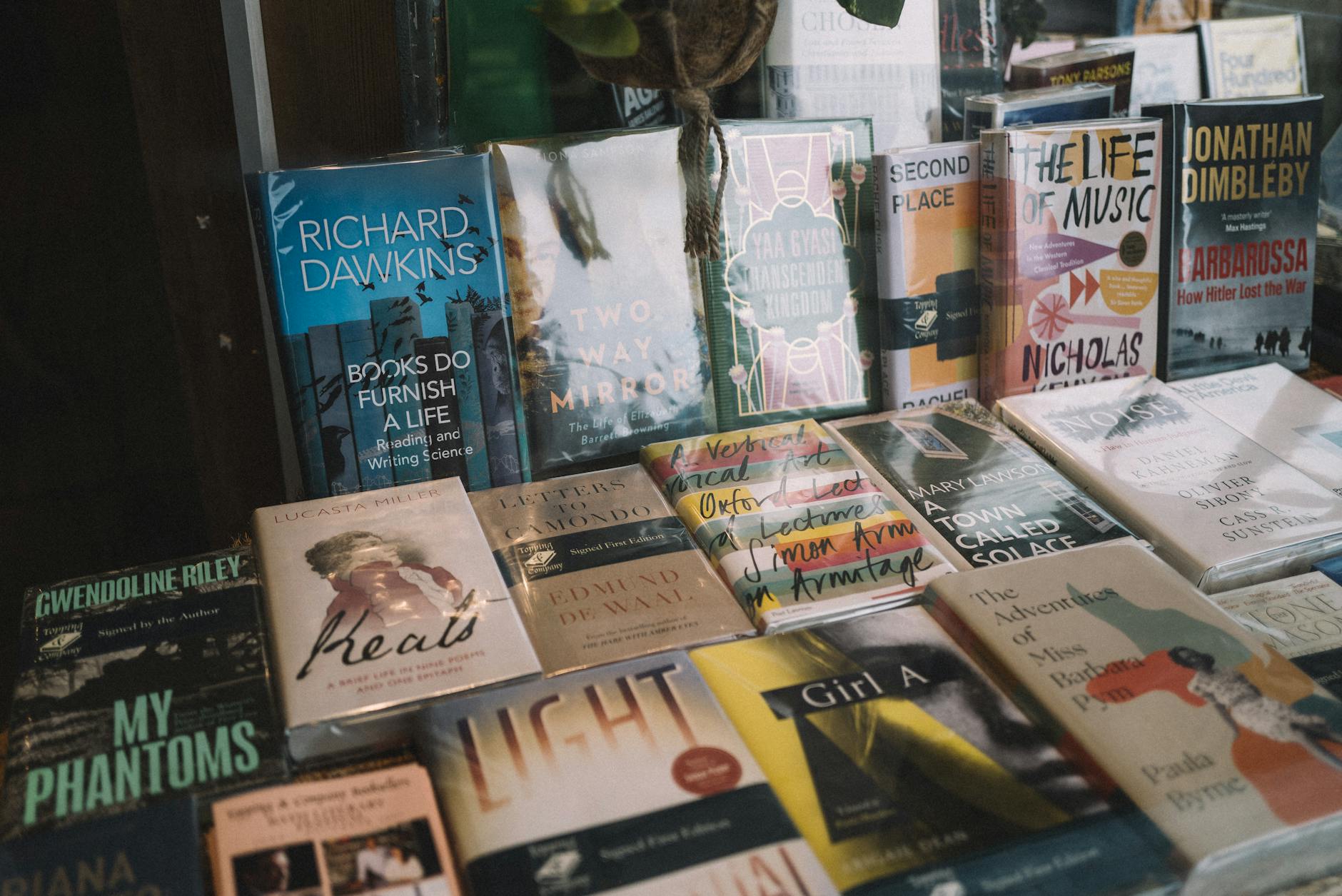
The New Social Currency of Shared Reading
Independent bookstores nationwide report book club membership has doubled since 2022, with some locations running multiple groups to accommodate demand. Powell’s Books in Portland operates fifteen different clubs, ranging from graphic novels to climate fiction, while Housing Works Bookstore in New York fills its reading room three nights weekly with groups discussing everything from contemporary poetry to true crime memoirs.
The demographics tell a compelling story. Unlike traditional book clubs dominated by retirees, these new gatherings attract professionals in their twenties and thirties seeking authentic connection. Many participants describe leaving phones in bags and engaging in conversations that stretch far beyond plot analysis into personal philosophy, career pivots, and life transitions.
“People are hungry for real conversation,” explains Sarah Chen, who manages the book club program at Strand Bookstore. “They’re tired of surface-level social media interactions. When someone shares how a character’s journey mirrors their own struggle with career change, that creates genuine intimacy you can’t get from posting book ratings online.”
The format itself has evolved beyond traditional academic-style discussions. Many clubs incorporate author video calls, themed snacks matching book settings, and collaborative playlists inspired by reading selections. Some groups venture beyond bookstore walls for literary walking tours or visits to locations referenced in their current reads.
Economic Revival Through Community Building
This social renaissance translates into tangible business benefits for struggling independent bookstores. Club members typically purchase additional books beyond monthly selections, browse longer during visits, and recommend stores to friends and family. Many stores report book club participants generate thirty percent more revenue per customer than casual browsers.
The ripple effects extend throughout neighborhoods. Restaurants near popular book clubs report increased dinner reservations on meeting nights, as reading groups frequently continue discussions over meals. Local coffee shops stock extra pastries, knowing book club members often arrive early or linger afterward for continued conversations.

Several bookstores have expanded their physical spaces to accommodate growing reading groups. BookPeople in Austin renovated their event space specifically for book clubs, while City Lights in San Francisco created a dedicated discussion room with comfortable seating and adjustable lighting for evening meetings.
The success has inspired creative partnerships. Some stores collaborate with local wine bars for monthly “Books and Bottles” events, while others partner with community centers to host daytime groups for parents with young children. These collaborations strengthen neighborhood networks while providing additional revenue streams for small businesses.
Digital Detox and Authentic Connection
The appeal of in-person book clubs extends beyond literary discussion to represent a conscious rejection of digital overwhelm. Participants frequently cite the relief of engaging without notification interruptions or the pressure to craft perfect responses for online platforms.
Research supports this trend toward analog social experiences. A recent study by the National Endowment for the Arts found that adults who participate in community reading programs report higher levels of civic engagement and social satisfaction compared to those who discuss books primarily through digital channels.
The selection process itself becomes collaborative community building. Unlike algorithm-driven recommendations or influencer suggestions, book club choices emerge through group discussion and democratic voting. Members describe feeling more invested in challenging reads they might avoid independently, with peer support helping them tackle difficult or unfamiliar genres.
Many clubs deliberately choose books that spark meaningful conversation about contemporary issues. Recent popular selections include memoirs exploring identity and belonging, climate fiction examining environmental challenges, and historical novels addressing social justice themes. The surge in memoir popularity particularly resonates with reading groups seeking personal connection through shared stories.
The Future of Literary Community Spaces
Bookstore owners predict continued expansion as more people discover the unique satisfaction of in-person literary discussion. Plans include specialized clubs for specific demographics, such as new parent groups meeting during daytime hours or multilingual clubs serving diverse immigrant communities.

Some stores experiment with hybrid models, offering both in-person and virtual participation options for members who travel frequently or face mobility challenges. However, organizers emphasize that physical presence remains the key ingredient for the deep connections that distinguish these gatherings from online book discussions.
The movement represents a broader cultural shift toward intentional community building and authentic social connection. As digital fatigue grows and people seek meaningful offline experiences, bookstore reading clubs offer a perfect intersection of intellectual stimulation, social bonding, and neighborhood engagement.
Independent bookstores that embrace this community-focused model position themselves not just as retail spaces but as essential social infrastructure. Their reading clubs create loyal customer bases while fostering the kind of genuine human connection that no amount of technological innovation can replace. In an increasingly fragmented world, these literary gathering spaces prove that sometimes the oldest forms of community building remain the most powerful.
Frequently Asked Questions
Why are bookstore reading clubs becoming more popular?
People seek authentic in-person connection after years of digital interaction, and bookstore clubs provide meaningful literary discussion combined with genuine social bonding.
How do bookstore reading clubs benefit local businesses?
Club members generate higher revenue per customer, frequent nearby restaurants and cafes, and create community networks that strengthen neighborhood economies.