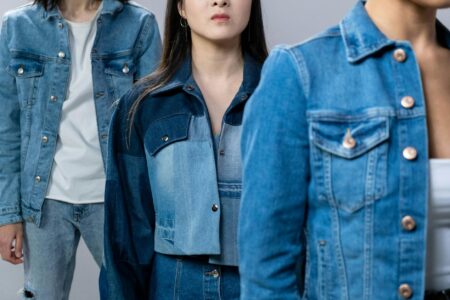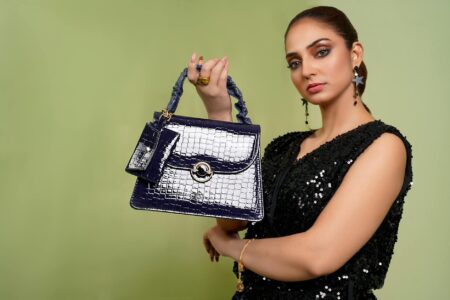




Low-rise jeans are back, and Gen Z is obsessing over cargo pants that would have made your mom cringe in 2003. The Y2K fashion revival isn’t just happening on runways-it’s driving a massive surge in thrift store shopping as young consumers hunt for authentic millennium pieces that original owners happily donated years ago.
What started as nostalgic social media posts has evolved into a full-scale fashion movement. TikTok users showcase vintage finds from Goodwill and local consignment shops, turning secondhand shopping into entertainment. The hashtag #Y2Kfashion has generated over 2.8 billion views, with creators styling everything from mesh tops to metallic mini skirts originally worn during the Clinton administration.
The Perfect Storm of Nostalgia and Accessibility
Unlike previous fashion revivals that required expensive designer reproductions, Y2K pieces are readily available in thrift stores nationwide. Items that seemed hopelessly outdated five years ago-butterfly clips, trucker hats, and anything bedazzled-now command premium prices on resale platforms.
ThredUp reported a 42% increase in searches for early 2000s brands like Juicy Couture, Von Dutch, and Baby Phat throughout 2023. Poshmark saw similar spikes in vintage denim searches, particularly for brands like True Religion and Seven For All Mankind. What makes this trend unique is its democratic nature-expensive originals and budget finds carry equal social media weight when styled correctly.
Fashion historian Valerie Steele notes this revival differs from typical 20-year fashion cycles because it coincides with Gen Z’s coming-of-age moment. “They’re not just wearing these clothes ironically,” she explains. “They’re genuinely embracing the optimism and futuristic aesthetic that Y2K fashion represented.”
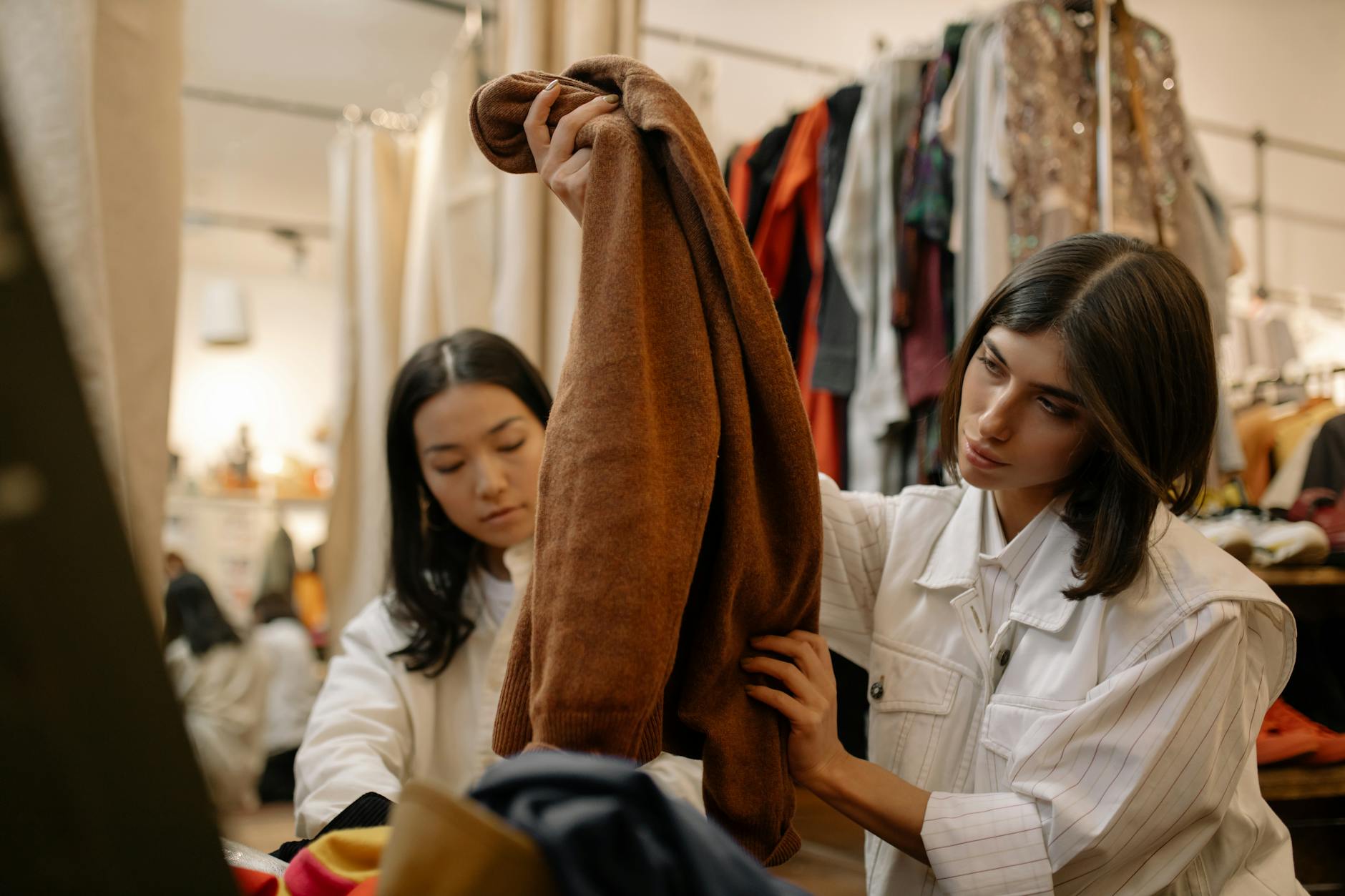
The movement has created unexpected consequences for thrift store inventory. Many locations report being “picked clean” of early 2000s items, with store managers now actively seeking donations from that era. Some shops have created dedicated Y2K sections to meet demand.
From TikTok Discovery to Wardrobe Staples
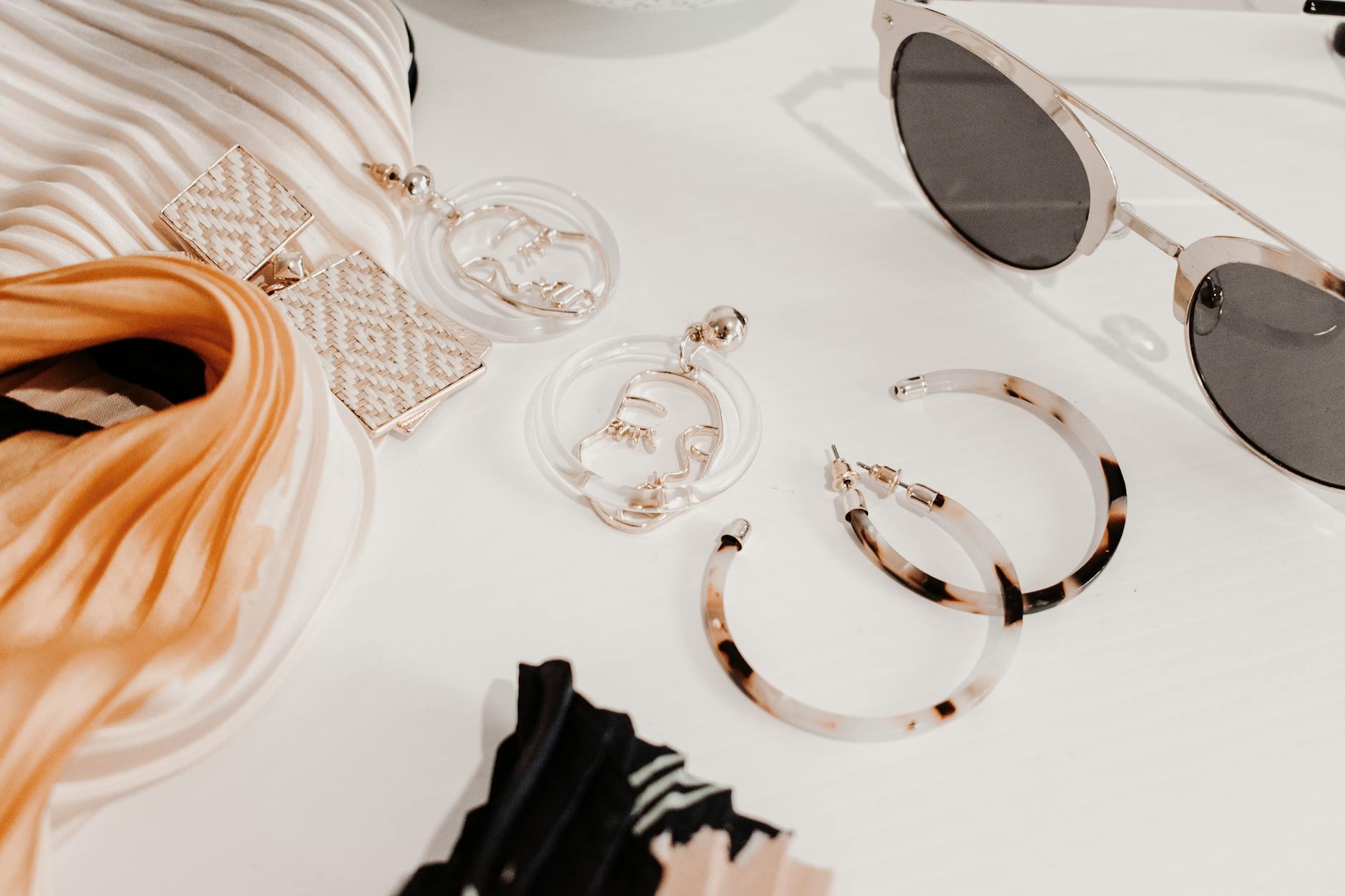
Social media algorithms have accelerated the Y2K trend beyond typical fashion cycle timelines. Influencers like Emma Chamberlain and Bella Hadid regularly incorporate vintage pieces into their looks, validating the aesthetic for millions of followers. The trend extends beyond clothing to accessories: chunky highlights, frosted eyeshadow, and platform shoes are all experiencing revivals.
Unlike fast fashion alternatives attempting to capitalize on the trend, authentic vintage pieces offer unique styling opportunities. No two thrifted outfits look identical, giving wearers the individuality that mass-produced reproductions can’t match. This authenticity factor drives much of the thrift store demand.
Fashion brands have noticed. Urban Outfitters launched a dedicated “vintage” section featuring authenticated early 2000s pieces at premium prices. Depop, the social shopping app, reports Y2K items as among its best-selling categories. Even luxury brands are incorporating millennium references-Versace’s recent collections feature the metallic fabrics and bold prints characteristic of the era.
The trend has also influenced beauty and lifestyle choices. Colorful hair accessories, bedazzled phone cases, and even room decor featuring holographic elements all trace back to Y2K aesthetics. Gen Z consumers view these choices as expressions of optimism and fun, contrasting with the minimalist trends that dominated the 2010s.
Sustainability Meets Style
The Y2K revival aligns perfectly with growing environmental consciousness among young consumers. Thrift shopping allows fashion experimentation without contributing to fast fashion waste. Many Gen Z shoppers view vintage hunting as both economically and environmentally responsible.
This sustainability angle has legs beyond the current trend cycle. As awareness grows about fashion’s environmental impact, secondhand shopping continues gaining mainstream acceptance. The Y2K revival proves that sustainable fashion doesn’t require sacrificing style or individuality.
Resale platforms report that Y2K pieces maintain strong resale values, creating a circular economy around vintage fashion. Items purchased at thrift stores can be resold online for profit, making the trend financially accessible even for budget-conscious shoppers.
The Business of Vintage Revival
Established thrift store chains like Savers and Value Village have adapted their merchandising strategies to highlight Y2K pieces. Some locations now employ younger staff specifically to curate and style vintage sections for social media marketing. Local consignment shops report record foot traffic as word spreads about hidden vintage gems.
Professional vintage buyers have emerged as key players in this economy. They source items from estate sales, donations, and even international suppliers to meet growing demand. Some specialize exclusively in early 2000s fashion, building businesses around the trend’s longevity.
The movement has also influenced how people view their own closets. Parents are discovering that their old clothes-previously considered embarrassing relics-now have significant value. Family closets are being raided as younger siblings seek authentic pieces their parents actually wore during the original Y2K era.
As fashion cycles continue accelerating through social media influence, the Y2K revival demonstrates how nostalgia, sustainability, and accessibility can converge into powerful consumer movements. While trends are notoriously fickle, the infrastructure built around vintage shopping suggests this revival has created lasting changes in how young people approach fashion consumption. The question isn’t whether Y2K fashion will fade, but what forgotten era will be next to capture Gen Z’s imagination.
Frequently Asked Questions
Why is Y2K fashion popular with Gen Z?
Gen Z embraces Y2K fashion for its optimistic aesthetic, individuality, and sustainable shopping options through thrift stores and vintage platforms.
Where can you find authentic Y2K fashion pieces?
Thrift stores, consignment shops, Depop, Poshmark, and family closets are the best sources for authentic early 2000s fashion items.