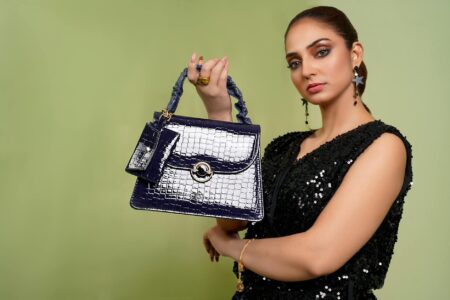





Louis Vuitton’s latest collection doesn’t ask whether you’re shopping for him or her. The legendary French house has quietly eliminated gendered sections from several product lines, joining a growing movement among luxury brands that’s reshaping how high fashion thinks about identity and commerce.
The shift represents more than progressive marketing. Major luxury houses are responding to a generation that increasingly views traditional gender categories as outdated, while simultaneously tapping into a market segment that prioritizes self-expression over conventional style rules. From Gucci’s androgynous blazers to Saint Laurent’s unisex fragrance campaigns, the industry’s most prestigious names are betting big on genderless design.
The Business Case Behind Gender-Neutral Luxury
The numbers tell a compelling story. Gen Z consumers, who will represent 40% of global luxury purchases by 2035, show significantly different shopping behaviors than previous generations. They’re more likely to share clothing across gender lines and prioritize brands that align with their values around inclusivity and self-expression.
Luxury conglomerate Kering, which owns Gucci, Saint Laurent, and Bottega Veneta, has been particularly aggressive in this space. Gucci’s “MX” line launched in 2020 with no gender designations, featuring everything from tailored suits to flowing dresses designed for any body type. The brand’s creative director Alessandro Michele has consistently pushed boundaries, creating runway shows where models of all genders wear the same pieces.
Similarly, Bottega Veneta’s recent campaigns feature models wearing identical leather goods and ready-to-wear pieces, photographed without the traditional “his and hers” styling that dominated luxury advertising for decades. The Italian house reports strong sales performance from these collections, particularly among younger demographics.
LVMH has followed suit across multiple brands. Louis Vuitton’s leather goods increasingly feature neutral colorways and hardware, while their fragrance division has expanded unisex offerings beyond traditional cologne categories. Dior’s recent jewelry collections emphasize pieces designed to be worn by anyone, moving away from the delicate-for-women, bold-for-men paradigm that previously dominated luxury jewelry design.
Design Philosophy: Function Over Gender Norms
The creative approach requires fundamental rethinking of traditional fashion design. Instead of starting with “women’s wear” or “men’s wear” categories, designers are focusing on silhouettes, functionality, and personal style expression.
Prada’s approach exemplifies this shift. The Italian house’s recent collections feature blazers with adjustable fits, bags with versatile carrying options, and footwear designed around comfort and style rather than gendered expectations. Their nylon pieces, originally designed for men’s sportswear, now appear across all product categories without gender designation.
This design philosophy extends to color palettes and materials. The traditional pink-for-women, blue-for-men approach has given way to neutral tones, earth colors, and bold statements that aren’t assigned to specific gender identities. Brands are investing in research about how different body types interact with various cuts and fabrics, creating inclusive sizing that works across the spectrum.

The technical aspects matter too. Luxury brands are developing new construction techniques that allow garments to fit and flatter various body types without requiring separate men’s and women’s lines. This includes innovative tailoring approaches, adjustable elements, and modular design concepts that adapt to individual preferences.
Market Response and Cultural Impact
Consumer response has been overwhelmingly positive, particularly in urban markets and among younger demographics. Luxury retailers report that genderless sections often outperform traditional gendered areas in terms of both foot traffic and sales conversion.
The dopamine dressing trend has intersected perfectly with gender-neutral fashion, as bright, bold pieces appeal to consumers regardless of gender identity. This convergence has created opportunities for luxury brands to position themselves as both fashion-forward and socially conscious.
Social media amplification has been crucial. Influencers and celebrities regularly showcase luxury genderless pieces, creating viral moments that traditional gendered fashion rarely achieves. When A$AP Rocky wears a Gucci dress or Zendaya sports a traditionally masculine Berluti suit, the cultural conversation extends far beyond fashion circles.
The ripple effects extend beyond clothing. Beauty brands within luxury conglomerates are following similar strategies. Tom Ford Beauty, YSL Beauty, and other prestige cosmetics lines now market many products without gender-specific language or imagery. The traditional separation between “cologne” and “perfume” is dissolving into “fragrance” categories organized by scent profile rather than intended wearer.
Luxury watch brands have also adapted. Cartier’s recent campaigns feature the same timepieces on models of different genders, emphasizing design and craftsmanship over traditional masculine or feminine appeals. Rolex has quietly expanded their marketing to show watches traditionally categorized as “men’s” being worn by women and vice versa.
Industry Challenges and Future Outlook
The transition isn’t without complications. Retail spaces designed around traditional gender divisions require significant investment to reconfigure. Sales associates need training on new approaches to customer service that don’t rely on gendered assumptions. Supply chain management becomes more complex when traditional size runs and inventory planning no longer apply.
Some luxury brands face resistance from conservative markets and older customer bases. However, industry analysts suggest these challenges are temporary as cultural attitudes continue evolving. The brands making early investments in genderless luxury are positioning themselves advantageously for long-term demographic shifts.

The technology sector’s influence on fashion continues growing, with tech-inspired minimalist aesthetics naturally lending themselves to gender-neutral design. This cross-pollination suggests the trend has staying power beyond fashion cycles.
Looking ahead, luxury brands are exploring even more radical departures from traditional retail models. Some are testing completely gender-free store layouts, AI-powered styling services that focus on personal preference rather than demographic categories, and direct-to-consumer platforms that customize products based on individual measurements and style preferences rather than gendered assumptions.
The rise of genderless luxury fashion represents more than a trend-it’s a fundamental reimagining of how the industry approaches design, marketing, and consumer relationships. As major brands continue investing in this direction, they’re not just following cultural shifts but actively shaping the future of luxury retail. The question isn’t whether genderless fashion will continue growing, but how quickly traditional gender-based fashion categories will become obsolete in the luxury space.
Frequently Asked Questions
Which luxury brands offer genderless fashion lines?
Major brands include Gucci’s MX line, Louis Vuitton’s neutral collections, Bottega Veneta’s unisex pieces, and Prada’s gender-free designs.
Why are luxury brands creating gender-neutral collections?
Gen Z consumers increasingly share clothing across gender lines and prioritize brands that align with inclusive values and self-expression.