



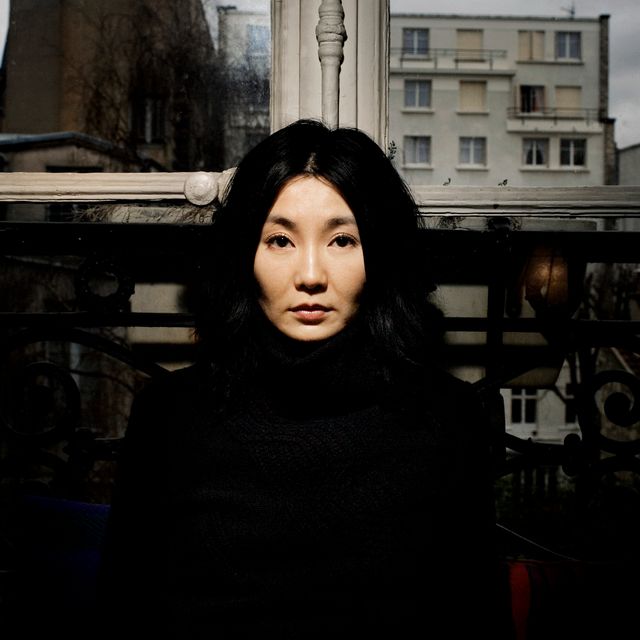
Twenty-four years after In the Mood for Love redefined romantic cinema, Tony Leung Chiu-wai sits in a Hong Kong hotel room discussing his latest project with the same quiet intensity that made him an international icon. His new film Silent Friend represents a return to the intimate storytelling that built his reputation, far removed from the spectacle of his recent Marvel appearance in Shang-Chi and the Legend of the Ten Rings.
The 62-year-old actor speaks with deliberate pauses, each word carefully chosen.
His career spans five decades, but Leung remains most associated with Wong Kar-wai’s atmospheric dramas, particularly the 2000 masterpiece that earned him global recognition. The film’s influence continues to ripple through contemporary cinema, its visual language of longing glances and unspoken desire now standard vocabulary for directors worldwide.
The Marvel Detour That Felt Like Home
Leung’s decision to join the Marvel Cinematic Universe surprised many fans who knew him primarily through art house cinema. Yet he describes the experience of playing the Mandarin as oddly nostalgic. The elaborate costumes, practical sets, and emphasis on character development reminded him of Hong Kong cinema’s golden age in the 1980s and 1990s, when studios invested heavily in production values and gave actors time to develop their roles.
“The scale was different, but the craft remained the same,” Leung explains. “They built real environments, created detailed costumes, and allowed space for performance to breathe.”
His approach to the villainous role drew from classical Chinese opera, where characters communicate through gesture and expression as much as dialogue. The physicality required for the Mandarin’s martial arts sequences pushed Leung beyond his comfort zone, but he found parallels to his earlier work with action directors like John Woo and Tsui Hark. The training regimen and choreography sessions echoed the intensive preparation periods that defined Hong Kong action cinema at its peak.

Acting With Objects and Empty Spaces
In Silent Friend, Leung returns to Wong Kar-wai’s preferred working method of minimal dialogue and maximum visual storytelling. The film requires him to convey complex emotions through interactions with inanimate objects-a technique he perfected during their previous collaborations. Watches, cigarettes, and pieces of clothing become extensions of character psychology, carrying emotional weight that traditional dialogue might diminish.
This approach demands a different kind of technical precision than conventional acting. Leung must calibrate his performance to match the rhythm of objects rather than other performers, creating believable relationships with props that represent memory, desire, or loss. The skill developed during decades of working with Wong Kar-wai, where actors often perform scenes without knowing the complete narrative context.
The technique extends beyond props to architectural spaces themselves. In Wong’s films, characters move through environments that reflect their internal states-cramped apartments suggesting emotional confinement, empty restaurants echoing personal isolation. Leung learned to read these spatial cues and adjust his performance accordingly, treating sets as scene partners rather than mere backdrops.
His mastery of this approach has influenced a generation of Asian actors who study his ability to communicate through minimal gesture and maximum presence.
The economic pressures facing contemporary Hong Kong cinema have made such patient, detail-oriented filmmaking increasingly rare, but Leung continues to seek projects that prioritize character depth over commercial appeal.

The Enduring Appeal of Unresolved Stories
In the Mood for Love remains Leung’s most discussed performance, partly because its central relationship never reaches conventional resolution. The film’s power lies in what remains unspoken and undone, a artistic choice that initially frustrated audiences expecting traditional narrative closure. Two decades later, this ambiguity has become the source of its lasting influence, inspiring countless films that prioritize emotional truth over plot mechanics.
Leung attributes the film’s continued relevance to its focus on internal rather than external drama. The characters’ suppressed desires mirror universal experiences of missed connections and unacted-upon feelings, themes that resonate across cultural boundaries. The movie’s visual language-slow motion, close-ups of hands and faces, carefully composed frames-has been extensively copied but rarely equaled.
With Silent Friend, Leung returns to this territory of quiet observation and emotional restraint. The film industry’s current emphasis on franchise building and global markets has made such personal projects harder to finance, but he remains committed to the approach that defined his best work. Whether audiences still have patience for this style of cinema remains an open question.