




A Data Center, 57 Turbines, and No Air Permit
Elon Musk’s xAI Corp. is running a gas-powered electrical plant in Southaven, Mississippi – one that started with 27 unpermitted turbines and grew to 57 by mid-May 2025, with two more on the way. The National Association for the Advancement of Colored People filed suit against xAI and its subsidiary MZX Tech in April, alleging those turbines have been operating in violation of the Clean Air Act the entire time. Now the Trump administration has stepped in, not to enforce environmental law, but to argue the lawsuit itself should be stopped.
The federal government’s position, stated plainly: the xAI data center powered by those turbines runs Grok, and Grok is something the military needs for wartime operations.
That argument – that a commercial AI chatbot’s infrastructure qualifies as a national security asset deserving legal protection – is now the official posture of the United States government in this case. It’s a framing that puts federal power squarely behind a private company’s ability to run unpermitted combustion equipment in a residential area, and it answers a Clean Air Act complaint not with environmental compliance but with military necessity.
What the Colossus Plant Actually Is
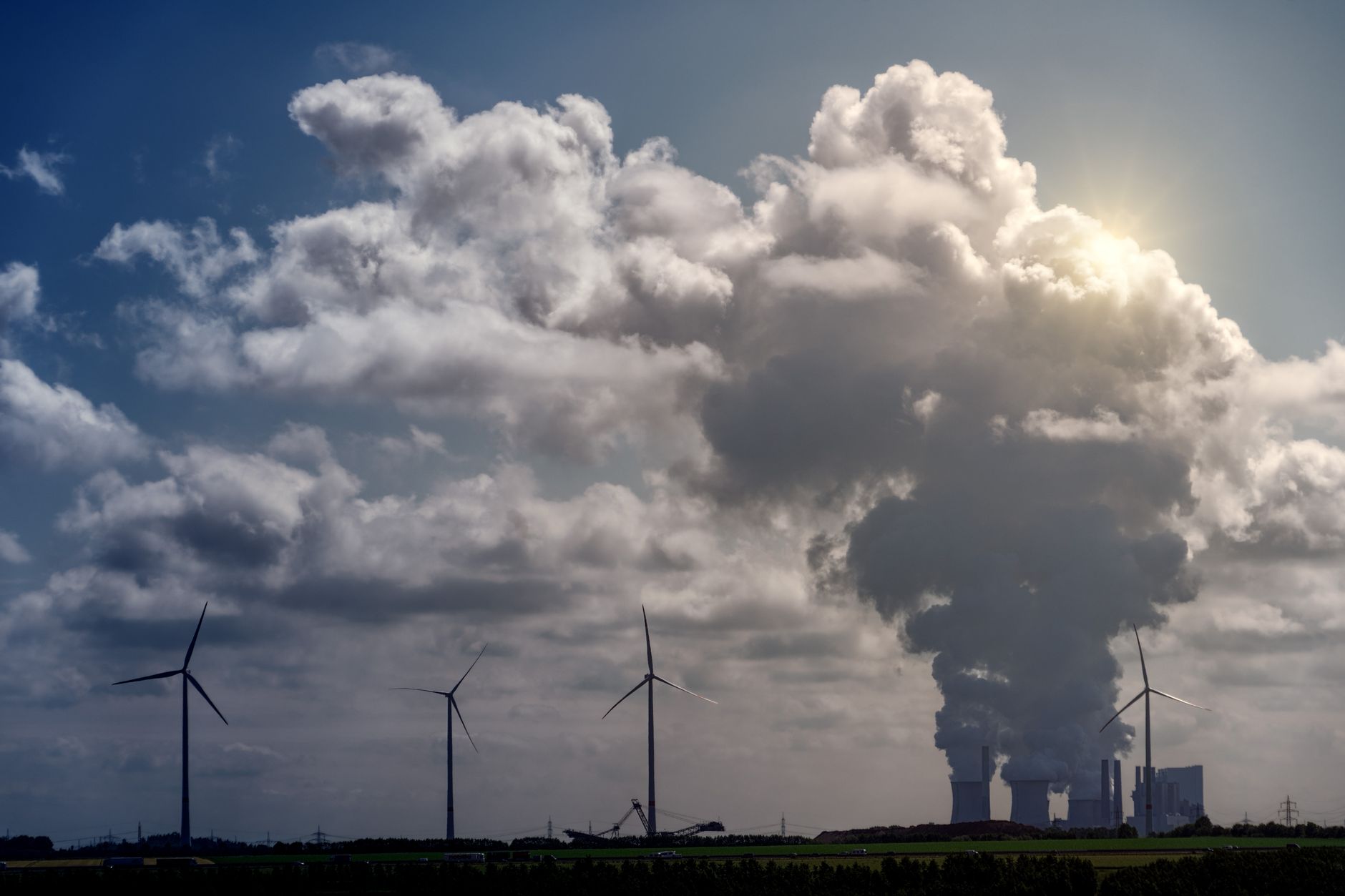
The NAACP’s lawsuit describes the operation in straightforward terms. The gas turbines at the site, which the lawsuit calls “Defendants’ Colossus Gas Plant,” feed power to xAI’s nearby Colossus 2 data center. That data center is the infrastructure backbone for Grok, the AI assistant xAI has been developing and expanding since 2023. The turbines aren’t incidental to the operation – they are the power source, and they’ve been running without an air permit since the facility came online.
The permit process under the Clean Air Act exists specifically to assess and limit the air pollution impact of large combustion sources before they begin operating. Running 27 turbines – and then scaling that number to 57 – without going through that process is the core of what the NAACP alleges. A June 12 filing updated the turbine count and noted the planned additions, suggesting the expansion was ongoing even as litigation proceeded. The complaint also cites health concerns and noise complaints from the surrounding community, which is predominantly Black.
Environmental justice cases under the Clean Air Act typically center on exactly this kind of pattern: industrial-scale equipment placed in lower-income communities of color, operating outside the normal regulatory review that might have flagged community health impacts before construction began. The Southaven facility fits that profile closely. The NAACP has been litigating environmental justice cases for decades, and the xAI suit is an extension of that work into the AI infrastructure buildout that has accelerated across the American South.

The Military Argument and What It Does
The Trump administration’s intervention introduces a different kind of argument entirely. By framing Grok as a military-relevant system, the government is essentially claiming that disrupting xAI’s power supply – even through a court enforcing existing environmental law – could harm national defense. That’s a significant claim to attach to a commercial chatbot, and it raises questions about where that logic stops. If Grok qualifies, the same reasoning could theoretically apply to any AI product with some defense contract or government use case.
What the administration is not arguing is that xAI complied with the Clean Air Act. The defense being mounted isn’t about permit status – it’s about consequences. The implicit position is that even if the turbines are operating illegally, the downstream importance of the data center changes the calculus of whether a court should act. That’s a legally unusual posture, and whether it gains traction in the courtroom remains to be seen. The NAACP filed its June 12 update while the administration’s involvement was already public, indicating the organization intends to press the case regardless.
For the people living near the Colossus Gas Plant in Southaven, the abstract national security framing lands differently. The health concerns and noise complaints cited in the lawsuit are not hypothetical – they reflect what neighbors have been reporting since the turbines started running. Fifty-seven combustion turbines operating without the emissions assessments that permitting requires means no formal accounting of what those turbines are putting into the air, and no enforceable limits on what they’re allowed to emit.
The Infrastructure Cost of the AI Buildout
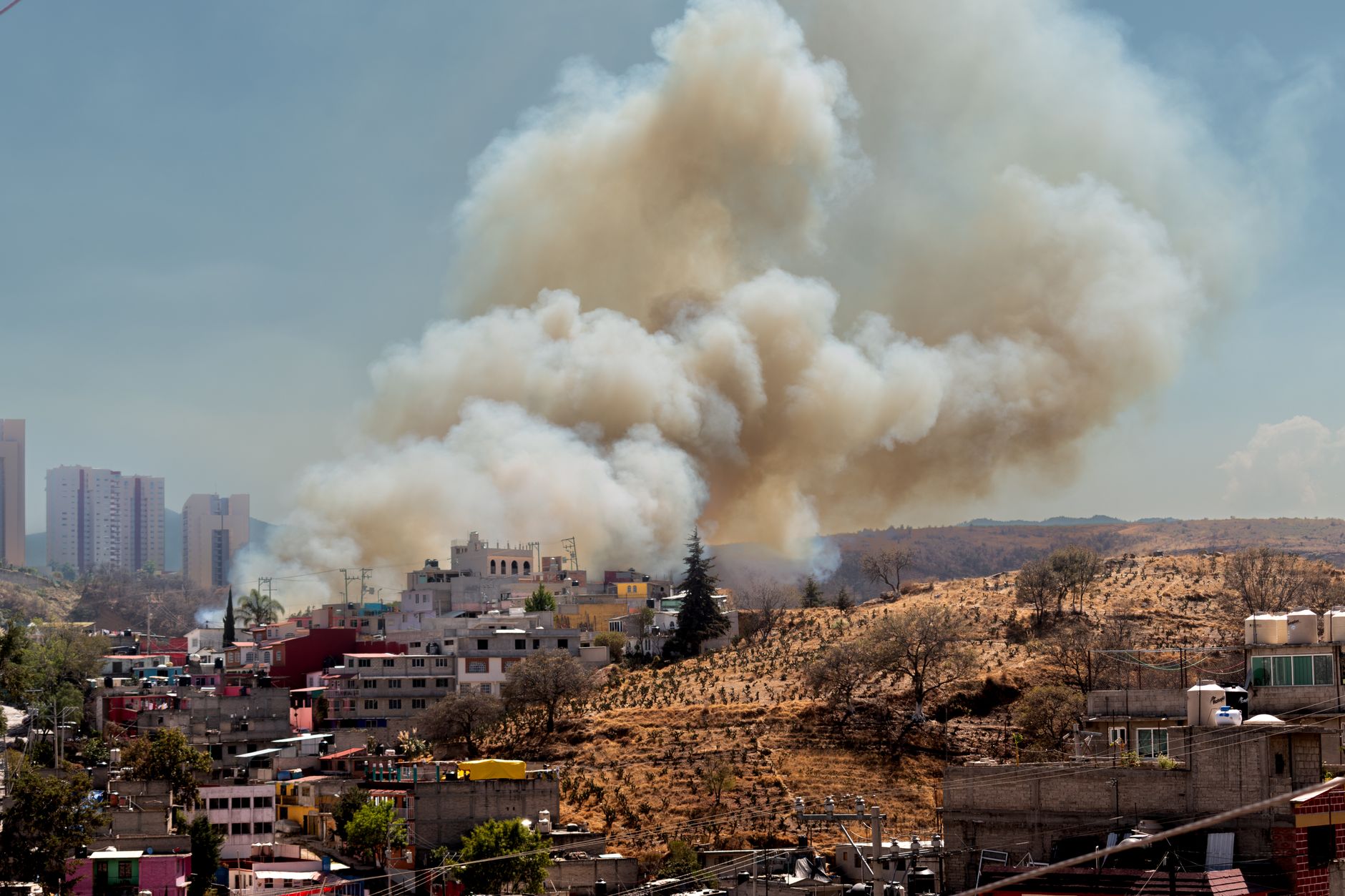
xAI’s situation in Southaven is an unusually direct example of something happening across the entire AI industry: data centers require enormous amounts of power, and getting that power quickly sometimes means cutting ahead of the processes designed to evaluate environmental impact. The Colossus facility isn’t the only case where AI infrastructure expansion has collided with permitting requirements, utility capacity, or environmental review – but it is one of the most documented, now carrying a federal lawsuit, a civil rights organization’s sustained legal attention, and an official government defense that ties a commercial AI product to wartime readiness.
The turbine count alone is worth sitting with. Twenty-seven unpermitted turbines became 57 in roughly six weeks, with plans for two more filed in the same period. That’s not a static installation awaiting a permit – that’s active expansion of unpermitted capacity while under active litigation. The question the court will eventually have to answer isn’t just whether xAI violated the Clean Air Act, but whether the federal government’s national security argument is a legitimate legal defense against a Clean Air Act enforcement action, or a political intervention dressed in statutory language.
As of the June 12 filing, the NAACP was asking the court to account for 59 turbines – and counting.