





A Flight Home From Vegas Turned Into a Federal Incident
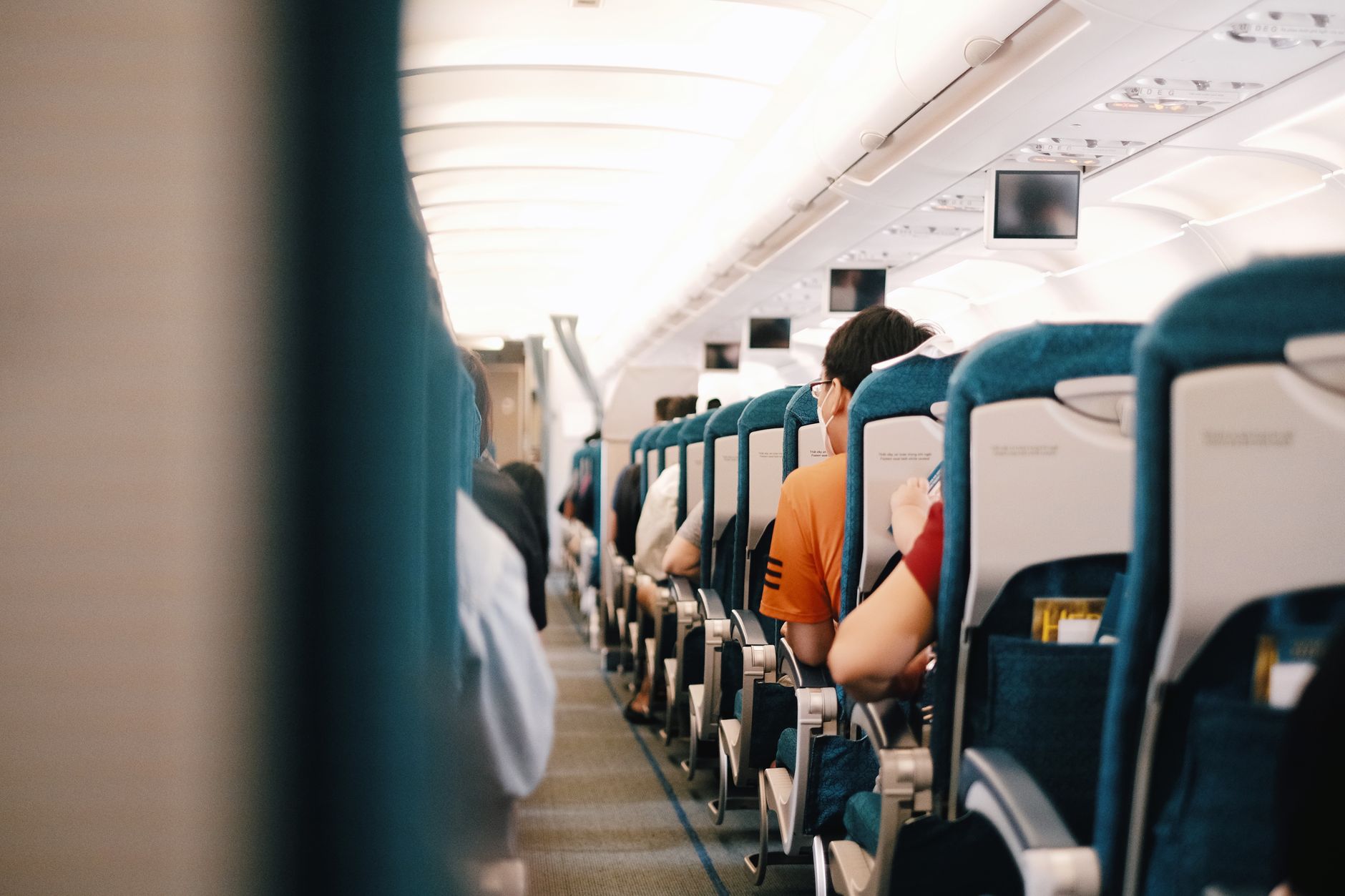
Delta flight 591, bound from Las Vegas to Atlanta on Monday, became the center of a federal law enforcement inquiry after passengers allegedly spoofed the aircraft’s onboard Wi-Fi network – the day after DEF CON, one of the world’s largest hacker conferences, wrapped up in Las Vegas.
What the Pilots Actually Said
The incident didn’t surface through a press release or an airline statement. It came through ACARS – Aircraft Communications Addressing and Reporting System – the air-to-ground messaging network that pilots use to communicate with ground crews. A social media account called “ACARS Drama,” which monitors publicly available ACARS transmissions, published the message that brought the situation to wider attention.
The pilot’s message was direct: “NO INFO AS OF NOW WE HAVE A BUNCH OF PAX THAT WERE AT A CYBER CONFERENCE IN LAS THEY WERE ABLE TO JAM OUR WIFI AND BROADCAST THEIR SIGNAL.” That’s not security jargon filtered through a communications department – it’s a cockpit crew flagging a live situation using the bluntest language available to them at altitude.
What the message describes is a rogue access point attack, sometimes called an “evil twin” attack. The basic technique involves setting up a wireless hotspot that mimics a legitimate network – in this case, Delta’s own onboard Wi-Fi – to intercept or redirect traffic from devices that connect to it. It’s a well-documented attack vector, widely discussed and demonstrated at conferences exactly like DEF CON.
The timing is what made federal law enforcement take notice. DEF CON concluded in Las Vegas on Sunday. Flight 591 departed Monday. The passenger manifest, at least in part, would naturally have included people who spent the previous weekend attending talks on network exploitation, wireless vulnerabilities, and hardware hacking. Whether any of them acted on that knowledge mid-flight is what investigators are now working to determine.

DEF CON, the Conference That Puts a Target on Your Own Network
DEF CON has run annually since 1993 and draws tens of thousands of security researchers, penetration testers, government contractors, and hobbyists to Las Vegas each summer. The conference is famous for its adversarial networking environment – attendees are explicitly warned not to connect personal devices to the conference Wi-Fi without understanding the risks, because active exploitation of networks is considered part of the culture, not a violation of it.
That culture, contained within the walls of a Las Vegas convention center, is one thing. Carrying it onto a commercial aircraft is a different matter entirely. Federal aviation regulations, combined with computer fraud statutes, make unauthorized interference with aircraft systems a serious criminal exposure – regardless of whether the intent was malicious or demonstrative.
Spoofing a Wi-Fi network on a plane doesn’t require exotic hardware. A laptop, a USB wireless adapter capable of running in access point mode, and freely available software is enough to broadcast a convincing fake hotspot. Passengers connecting to what they believe is the Delta Wi-Fi portal could have their traffic intercepted, their credentials captured, or their devices probed. The attack surface on a commercial flight is notable precisely because passengers are a captive audience with limited options and a high likelihood of wanting internet access.
It’s worth noting that Delta’s onboard Wi-Fi, like most airline internet services, routes through satellite or air-to-ground infrastructure that’s separate from the aircraft’s avionics systems. A rogue hotspot targeting passenger devices wouldn’t have direct access to flight controls or navigation. That distinction matters legally and technically, but it doesn’t eliminate the federal interest – interfering with onboard communications systems, even passenger-facing ones, carries its own statutory weight.
The ACARS message itself is notable for what it doesn’t say. The pilots reference jamming the Wi-Fi and broadcasting a replacement signal, but there’s no indication in the publicly available message of what, if anything, was captured from other passengers, whether the airline’s systems detected the intrusion automatically, or what steps were taken onboard before landing. Those details are presumably what the federal inquiry is now trying to establish.
What Comes Next for the Passengers Involved
Federal law enforcement’s involvement means this has already moved beyond an airline customer service problem. The Computer Fraud and Abuse Act, along with FAA regulations covering interference with aircraft operations, gives prosecutors a range of options depending on what evidence was collected and what exactly the spoofed network was used to do. Attending DEF CON isn’t evidence of anything – but being identified as the person who ran a rogue access point on a commercial flight is a different position to be in entirely.
What remains unanswered is whether other passengers on flight 591 realized they had connected to a fake network, and whether any of them lost data, credentials, or financial information to whoever was running it. A security conference badge doesn’t make someone a victim any less.