




A Different Man at the Podium
Kevin Warsh said one thing before becoming Federal Reserve chairman, and something noticeably different once he had the title.
The Position Before the Position
There is a version of Kevin Warsh that existed in the months leading up to his appointment as Federal Reserve chairman – a version who, when speaking privately or informally, intimated that the central bank had room to cut interest rates. That posture made sense in a particular political climate. Signaling openness to cuts placed him closer to the preferences of an administration eager to see cheaper borrowing costs. It was the kind of flexibility that might smooth a confirmation path without requiring anything to be written in concrete.
That version of Warsh did not show up last week.
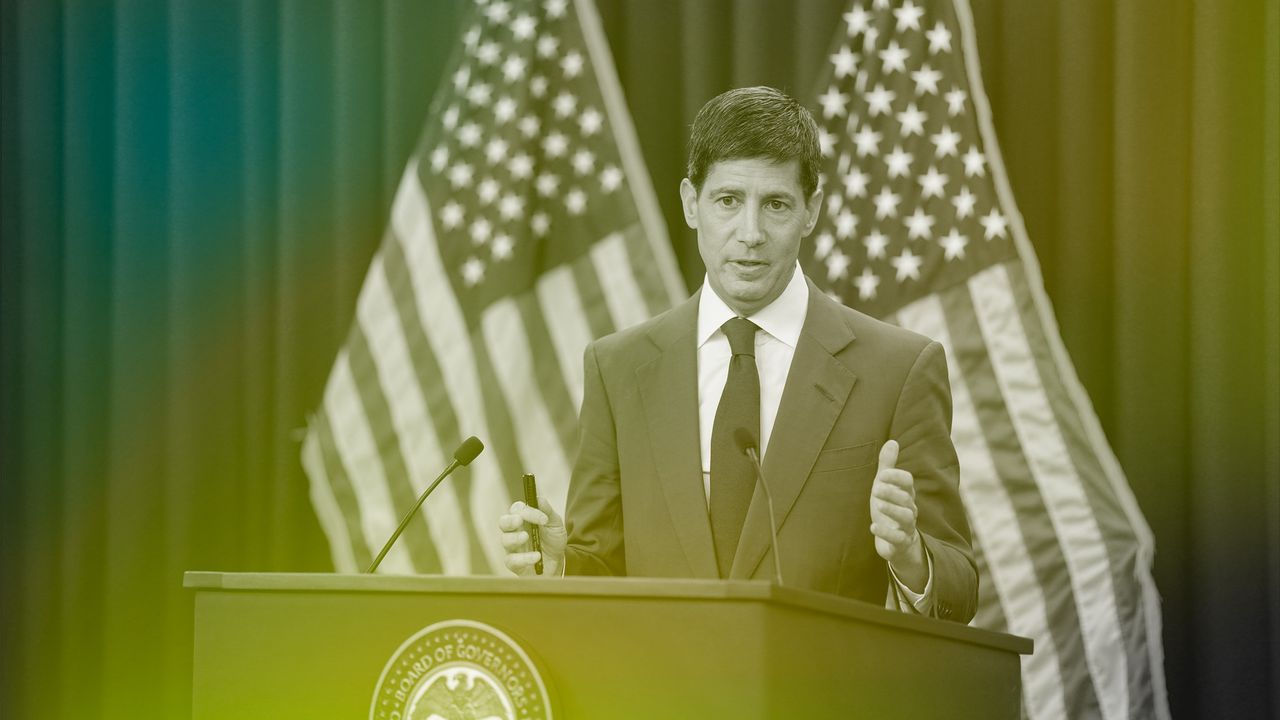
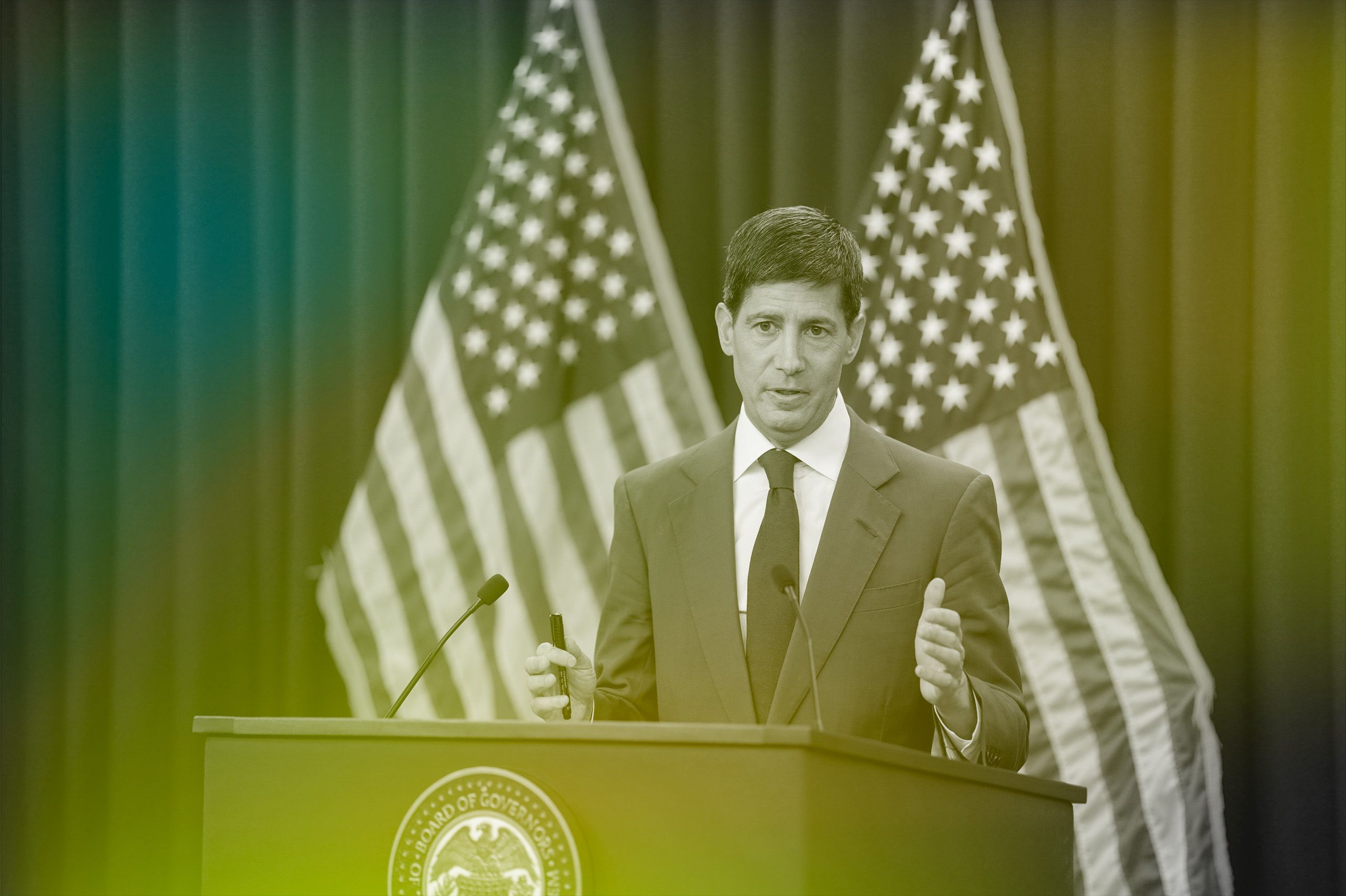
What appeared instead was a figure adopting the classical posture of an inflation hawk – a Fed chair who, in his first formal public appearance in the role, communicated caution about easing monetary policy too quickly. The shift was sharp enough to register. Before the job, the signal pointed one way. After the job, it pointed another. Whether that constitutes a betrayal of earlier signals, a natural recalibration to new information, or simply the difference between what a candidate says and what an official does is a question that will follow him for years.
Washington has seen this maneuver before. Nominees to powerful economic posts often soften their edges during the courtship phase and then discover their convictions once they’ve cleared the process. The dynamic is not unique to Warsh. But the speed of the reversal, occurring within the earliest days of his tenure, is what gives it visibility now.
What an Inflation Hawk Actually Costs
To call someone an inflation hawk is not purely a compliment or a criticism – it is a description of a doctrine, and that doctrine carries real consequences for real people. A Fed chair committed to holding interest rates higher for longer is, in practice, a Fed chair willing to accept slower growth and tighter credit conditions as the price of keeping consumer prices stable. Businesses that rely on borrowing to expand feel that pressure first. Homebuyers navigating a mortgage market still bruised from years of elevated rates feel it next. The Fed does not set mortgage rates directly, but the federal funds rate shapes the entire cost-of-credit landscape in ways that touch almost every financial decision households make.
Warsh’s hawkish turn last week came against a backdrop where the inflation picture remains genuinely complicated. Price increases have cooled from their post-pandemic peaks, but not to the levels the Fed has formally targeted. The central bank’s stated goal is 2 percent inflation; depending on which measure is used and which month is examined, the current figures sit somewhere above that, though the distance has narrowed considerably from where things stood in 2022 and 2023. An incoming chair who signals caution in that environment is not operating without logic. The argument for patience – for holding rates steady and watching how inflation behaves before moving – is not incoherent.
What makes Warsh’s situation unusual is that the caution he expressed last week sits in awkward proximity to the openness he expressed before taking the role. If he genuinely believed in the spring that rate cuts were warranted, and if he now believes they are not, something changed – either the data, his assessment of the data, or his willingness to say publicly what he had said privately. The public does not have full visibility into which of those explanations is accurate, and the Fed under any chairman is not an institution that offers easy transparency on internal deliberations.
There is also the political dimension that no Fed watcher can entirely ignore. The central bank is nominally independent – its decisions are supposed to be insulated from White House pressure – but the people who run it are appointed by presidents, and those appointments reflect something about the political moment. Warsh was chosen in a specific context, by a specific administration, with specific expectations attached, whether or not those expectations were ever stated explicitly. A new chair who immediately pivots toward hawkishness might be asserting institutional independence. Or he might be responding to a different set of pressures than the ones that shaped his earlier hints about rate cuts. The institutional incentives here run in multiple directions at once.
What is clear is that the Fed chairmanship is not a job that allows for much ambiguity once held. Markets respond to signals with extraordinary sensitivity. A stray comment about rate trajectories can move bond yields within minutes. Warsh, who worked at the Fed during the financial crisis years and later sat on its board, understands this mechanism well. His apparent hawkishness last week was therefore not an accident of phrasing – it was a deliberate communication, and it will be read as such by the traders, economists, and foreign central bankers who track every syllable out of Constitution Avenue.
The Question That Remains Open
The identity problem at the center of coverage like this – who is the real Kevin Warsh? – is in some ways the wrong frame. People in positions of enormous institutional authority do not have a single authentic self that eventually surfaces. They have incentives, constraints, advisers, data, and a governing philosophy that can bend under pressure. What they said before the title and what they say after it are both real. The inconsistency itself is the data point.

Still, the specific gap between Warsh’s pre-appointment rate-cut signals and his post-appointment inflation-hawk posture is not nothing. Monetary policy is one of the few levers that can, over time, either ease or intensify economic pressure on ordinary households. The direction Warsh ultimately takes the Fed – whether he cuts rates, holds them, or raises them – will land differently on a family refinancing a home than it will on an institution holding a portfolio of Treasury bonds. His first public performance as chairman suggested he will lean toward restraint. Whether that restraint lasts past the first set of economic surprises is the only thing worth watching.