





The mirrors reflect not just bodies in motion, but a cultural shift reshaping how millennials approach fitness. While traditional gyms report declining memberships among 25-35 year-olds, dance studios across major cities are booking out classes months in advance. From Latin rhythms in converted warehouses to K-pop choreography in former retail spaces, dance has emerged as the unexpected antidote to millennial gym fatigue.
The numbers tell a compelling story. ClassPass data shows dance class bookings increased 47% among millennials between 2022 and 2024, while traditional gym visits in the same demographic dropped 23%. Dance studios like CLI Studios report waitlists of over 300 people for popular instructors, while Planet Fitness locations in urban centers struggle to maintain pre-pandemic membership levels among younger adults.
This isn’t just about fitness trends. It represents a fundamental reimagining of what exercise should feel like, look like, and accomplish beyond physical transformation.
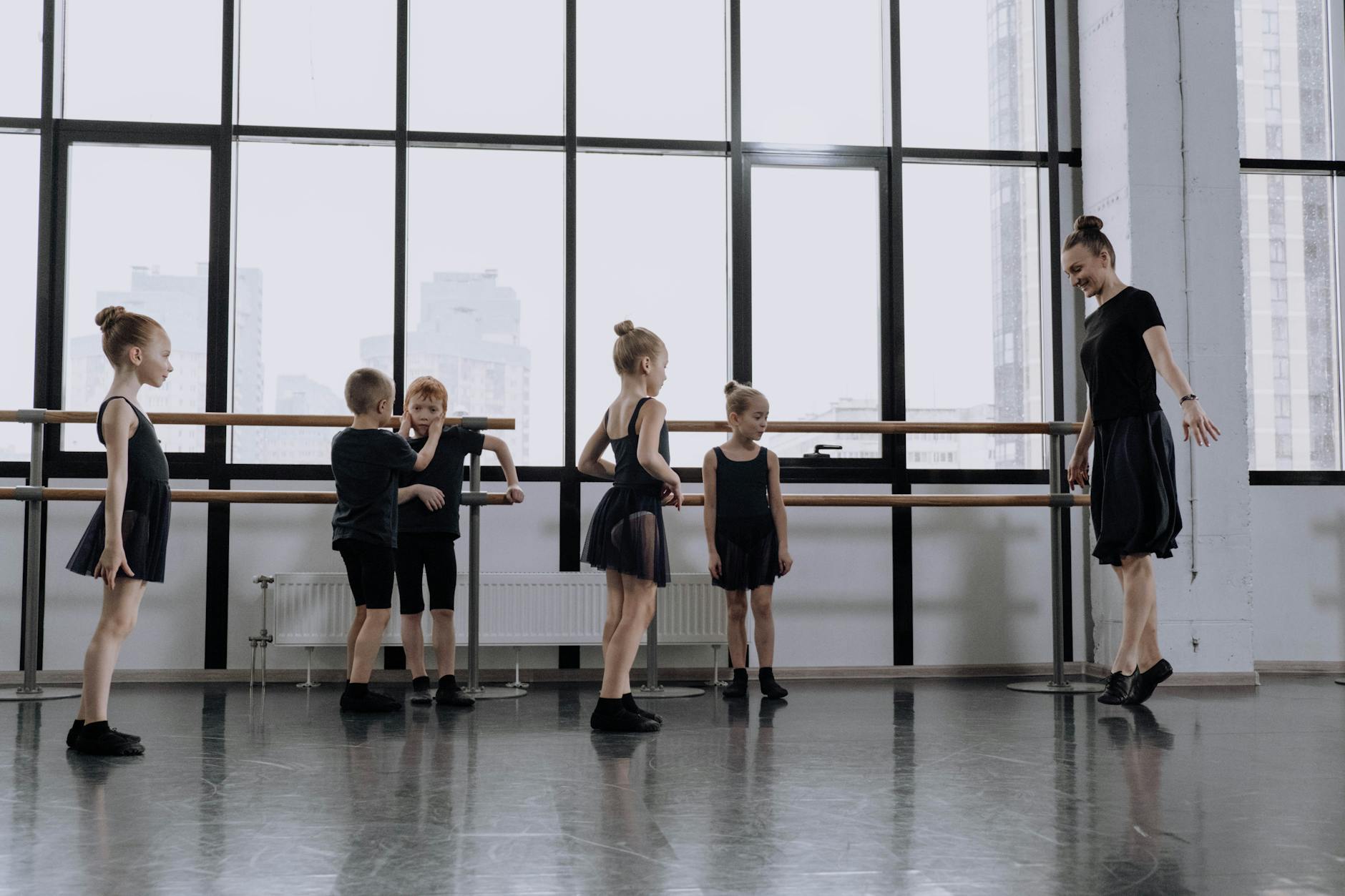
The Community Factor That Gyms Can’t Replicate
Unlike the isolated experience of treadmills and weight machines, dance studios foster genuine social connections that extend beyond class time. Sarah Chen, who teaches contemporary dance in Brooklyn, watches her regulars form friendships that migrate to coffee dates and weekend plans.
“People come for the workout but stay for the community,” Chen explains. “I see students carpooling together, celebrating birthdays, supporting each other through breakups. You don’t get that energy lifting weights alone.”
The group synchronization inherent in dance creates bonds that individual gym workouts simply cannot match. Neuroscience research supports this phenomenon – moving in unison with others releases endorphins and builds social cohesion in ways that solo exercise cannot replicate.
Dance studios also eliminate the intimidation factor that keeps many millennials away from traditional gyms. There’s no pressure to lift heavier weights than the person next to you or run faster on the treadmill. Everyone starts each combination from zero, creating natural equality among participants regardless of fitness background.
Mental Health Benefits Beyond the Physical
Dr. Amanda Rodriguez, a sports psychologist at NYU, has studied the psychological differences between dance and traditional exercise. Her research reveals that dance participants report significantly higher levels of joy, creativity, and stress relief compared to conventional gym-goers.
“Dance engages multiple cognitive functions simultaneously,” Rodriguez notes. “You’re learning choreography, coordinating with music, expressing emotion, and exercising. This multi-layered engagement produces neurochemical responses that pure cardio or strength training cannot achieve.”
The creative expression component proves particularly appealing to millennials dealing with high-stress careers in technology, finance, and other demanding fields. After spending eight hours analyzing spreadsheets or coding, the opportunity to move creatively provides psychological relief that a standard workout cannot match.
Many studios now explicitly market this mental health angle. DanceFit in Los Angeles advertises “therapy through movement,” while Boston’s Rhythm & Flow studio promotes classes as “meditation in motion.” The messaging resonates with a generation increasingly open about mental health needs and seeking holistic wellness solutions.
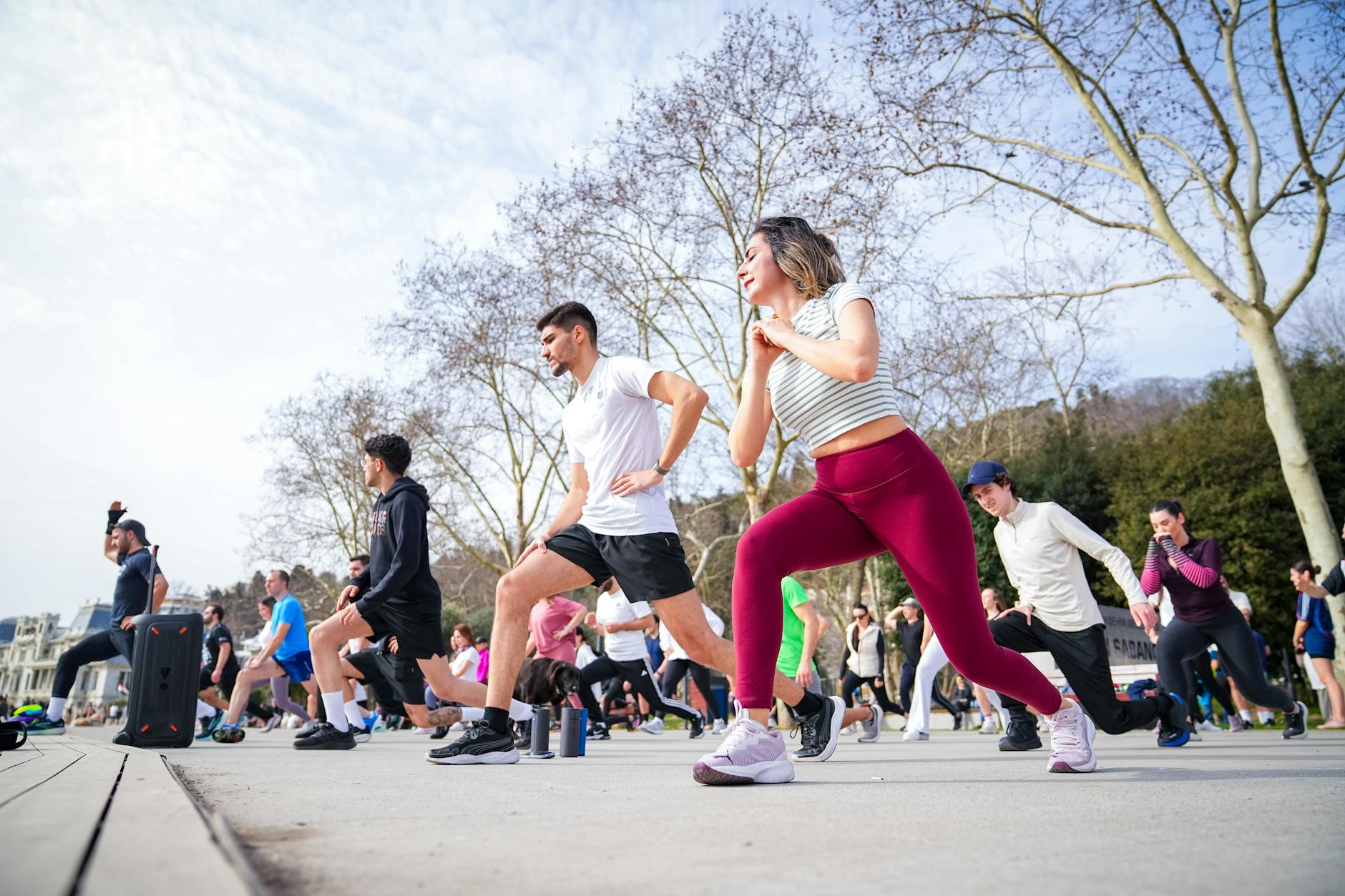
The Instagram Factor and Social Currency
Dance naturally creates shareable moments that align with millennial social media habits. A perfectly executed spin or group formation provides content that garnered likes and comments in ways that gym selfies rarely achieve. Studios embrace this reality, designing visually appealing spaces with good lighting and encouraging students to document their progress.
The aesthetic appeal extends beyond social media. Dance studios often occupy beautifully designed spaces in converted warehouses, historic buildings, or purpose-built facilities with floor-to-ceiling windows and artistic lighting. These environments feel more like creative spaces than sterile fitness facilities.
This visual component influences behavior in unexpected ways. Students dress more expressively for dance class than traditional workouts, viewing their attire as part of the creative process rather than purely functional gear. The self-expression extends from movement into personal style, creating a more holistic experience.
The performance aspect also provides concrete goals beyond typical fitness metrics. Instead of tracking calories burned or weight lifted, dancers work toward learning complete routines, participating in showcases, or mastering specific techniques. These creative milestones feel more meaningful than numerical fitness targets for many participants.
Economic and Accessibility Considerations
The financial model of dance studios often proves more flexible than traditional gym memberships. While premium studios charge comparable rates to high-end gyms, many offer drop-in classes, punch cards, or shorter-term packages that accommodate irregular schedules and budget fluctuations common among younger workers.
This flexibility particularly appeals to freelancers, gig economy workers, and early-career professionals whose income and schedules vary unpredictably. Rather than committing to annual gym memberships they might not use consistently, they can pay per class or buy smaller packages during busy periods.
The rise of virtual dance classes during the pandemic also expanded accessibility. Many studios now offer hybrid models where students can join live classes remotely or access recorded sessions. This option appeals to millennials who travel frequently for work or live in areas without extensive studio options.
Similar to how local record shops are transforming into concert venues, dance studios are expanding their offerings beyond basic classes. Many now host workshops with renowned choreographers, themed parties, and even dating events that blend fitness with social opportunities.
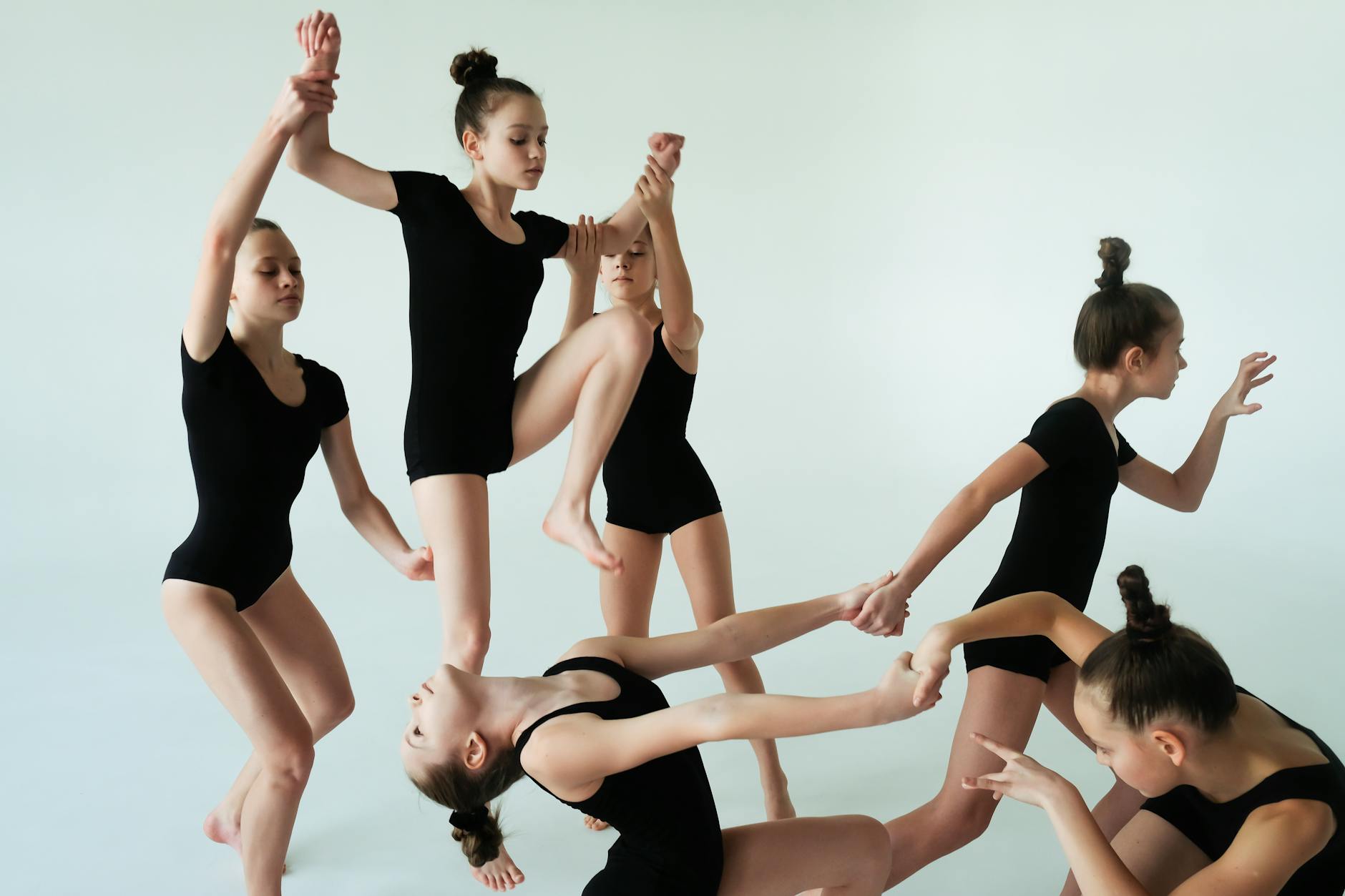
The dance studio phenomenon reflects broader millennial preferences for experiences over possessions, community over isolation, and creativity over routine. As traditional gyms struggle to adapt their models to changing preferences, dance studios continue expanding into new neighborhoods and demographic segments.
The trend shows no signs of slowing. Major fitness chains like SoulCycle and Barry’s Bootcamp are adding dance-inspired classes to their offerings, while new dance-focused franchises launch regularly in major metropolitan areas. The success suggests that millennials have found something in dance that traditional fitness cannot provide: a combination of physical challenge, creative expression, social connection, and genuine joy.
As this generation enters their peak earning years and influences broader fitness trends, the dance studio model may well represent the future of group fitness rather than a passing fad.
Frequently Asked Questions
Why are millennials choosing dance over traditional gyms?
Dance studios offer community connection, creative expression, and mental health benefits that isolated gym workouts cannot provide.
Are dance classes more expensive than gym memberships?
Many studios offer flexible pricing with drop-in classes and punch cards, making them comparable to or cheaper than premium gym memberships.