





Writers staring at glowing screens for hours have found their salvation in an unlikely technology: electronic ink displays traditionally reserved for e-readers. E-ink laptops are emerging from niche curiosity to serious writing tools, offering paper-like clarity without the eye strain that plagues digital authors.
The writing community has long struggled with screen fatigue. Traditional LCD and OLED displays emit blue light that disrupts sleep patterns and causes digital eye strain after extended use. Professional writers, journalists, and authors who spend 8-12 hours daily crafting content report headaches, dry eyes, and difficulty focusing by day’s end. E-ink technology promises to eliminate these problems while maintaining the functionality writers need.

The Technology Behind Writer-Friendly Displays
E-ink displays work fundamentally differently than traditional screens. Instead of backlighting pixels that emit light directly into your eyes, e-ink uses tiny microcapsules filled with black and white particles. Electric fields move these particles to create text and images that appear identical to printed paper. The result reflects ambient light rather than generating its own, creating a reading experience that mimics physical books and documents.
Recent advances have addressed the major limitations that previously made e-ink unsuitable for laptops. Refresh rates have improved dramatically – current generation displays can handle typing, scrolling, and basic navigation smoothly. Color e-ink technology has emerged, though most writing-focused devices stick with black and white for superior contrast and battery life.
The battery performance alone makes e-ink laptops compelling for writers. While traditional laptops drain power running bright displays, e-ink screens consume energy only when changing content. A fully charged e-ink laptop can run for days or even weeks on a single charge, making them ideal for writers working in coffee shops, libraries, or remote locations without reliable power access.
Real-World Writing Performance
Professional writers testing e-ink laptops report mixed but increasingly positive experiences. The paper-like display eliminates eye strain during marathon writing sessions, allowing authors to work longer without discomfort. The lack of distracting notifications, social media, or web browsing capabilities helps maintain focus on the writing task.
However, limitations remain. E-ink displays currently handle text processing excellently but struggle with complex graphics, videos, or rapid scrolling. Writers who frequently research online, edit images, or work with multimedia content find the technology restrictive. The slower refresh rates, while improved, still feel sluggish compared to traditional displays when switching between applications.
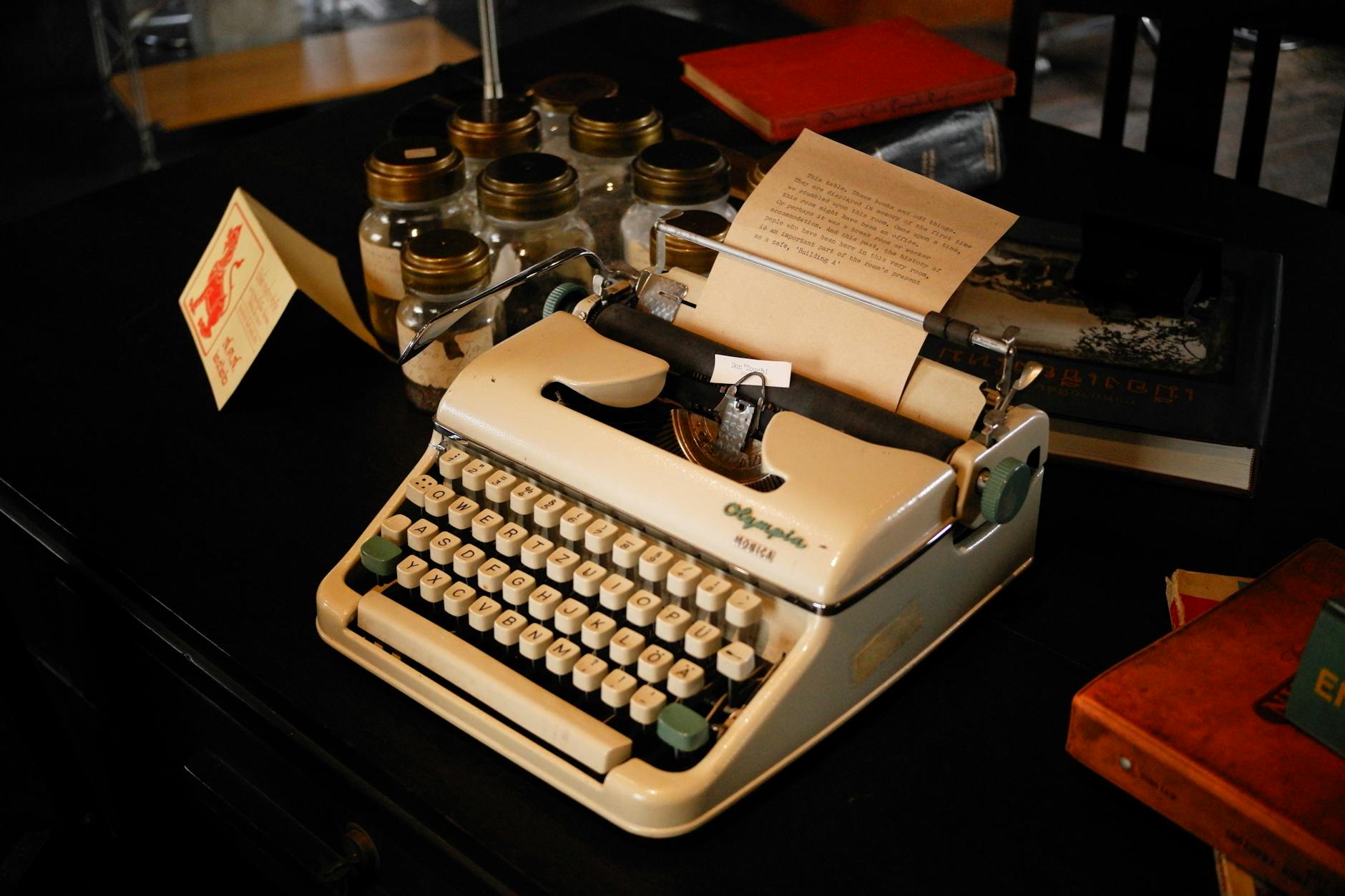
Several manufacturers now offer e-ink laptop options. The reMarkable tablets have evolved into laptop-like devices with keyboard attachments, focusing specifically on note-taking and writing. Other companies are developing full laptops with e-ink secondary displays or dual-screen configurations that combine traditional screens with e-ink writing surfaces.
The writing software ecosystem is adapting too. Popular tools like Scrivener, Ulysses, and Google Docs work well on e-ink displays when properly configured. Writers report that the distraction-free environment actually enhances creativity and productivity, even if some functionality is sacrificed.
Health Benefits Drive Adoption
The health advantages are driving much of the adoption among professional writers. Digital eye strain affects up to 90% of people who spend extended time on computers, according to vision care specialists. Symptoms include dry eyes, blurred vision, headaches, and neck strain from poor posture while trying to read difficult screens.
E-ink displays eliminate most of these issues. The paper-like appearance reduces eye strain significantly, allowing writers to maintain natural reading posture. Many users report improved sleep patterns since e-ink screens don’t emit the blue light that suppresses melatonin production.
The technology also benefits writers with specific visual challenges. The high contrast and adjustable text sizes make e-ink displays accessible for users with dyslexia, visual impairments, or age-related vision changes. Some writers find they can work without glasses when using e-ink displays, unlike traditional screens that require corrective lenses.
Similar to how Apple AirPods Pro now double as hearing aids for seniors, e-ink laptops are proving that consumer technology can address real health and accessibility needs without compromising functionality.
Market Reality and Future Prospects
The e-ink laptop market remains small but growing. Current devices cost significantly more than comparable traditional laptops, limiting adoption to dedicated users willing to pay premium prices for specialized functionality. Most models range from mid-tier to high-end pricing, though costs are gradually decreasing as production scales up.
Professional writers, journalists, and authors represent the primary market, but students and business professionals are also showing interest. Academic writers working on dissertations or research papers particularly benefit from the extended battery life and eye strain reduction during long research and writing sessions.
The technology faces competition from other eye-strain reduction solutions. Blue light filtering glasses, dark mode interfaces, and specialized monitor settings offer partial relief at lower costs. However, none completely eliminate the fundamental issue of staring at light-emitting displays for hours.
Future developments promise to address current limitations. Companies are working on faster refresh rates, better color reproduction, and hybrid displays that combine e-ink writing surfaces with traditional screens for multimedia tasks. Some prototypes feature switchable displays that can toggle between e-ink and LCD modes depending on the task.
The writing community’s growing awareness of digital wellness is accelerating adoption. As more writers experience the benefits of paper-like displays, word-of-mouth recommendations are driving sales. Writing conferences and professional organizations are beginning to showcase e-ink technology as a legitimate tool for serious authors.
E-ink laptops represent a fundamental shift toward more humane computing. While they won’t replace traditional displays for all tasks, they offer writers a genuine alternative that prioritizes health and focus over flashy graphics and endless connectivity. As the technology continues improving and prices decrease, e-ink laptops may become as essential to professional writers as ergonomic keyboards and quality chairs.
Frequently Asked Questions
Do e-ink laptops work well for writing?
Yes, they eliminate eye strain and offer excellent battery life, though they’re slower for multimedia tasks and web browsing.
How long does battery last on e-ink laptops?
E-ink laptops can run for days or weeks on a single charge since the display only uses power when content changes.