





Traditional fashion education faces disruption as students increasingly abandon four-year university programs for specialized trade schools. This shift reflects mounting concerns over student debt, outdated curricula, and the fashion industry’s demand for immediately applicable skills rather than theoretical knowledge.
Fashion Institute of Technology reports a 23% decline in enrollment over the past three years, while technical fashion schools across the country see waiting lists grow. Students cite practical training, industry connections, and faster entry into the workforce as primary motivators for choosing alternative educational paths.
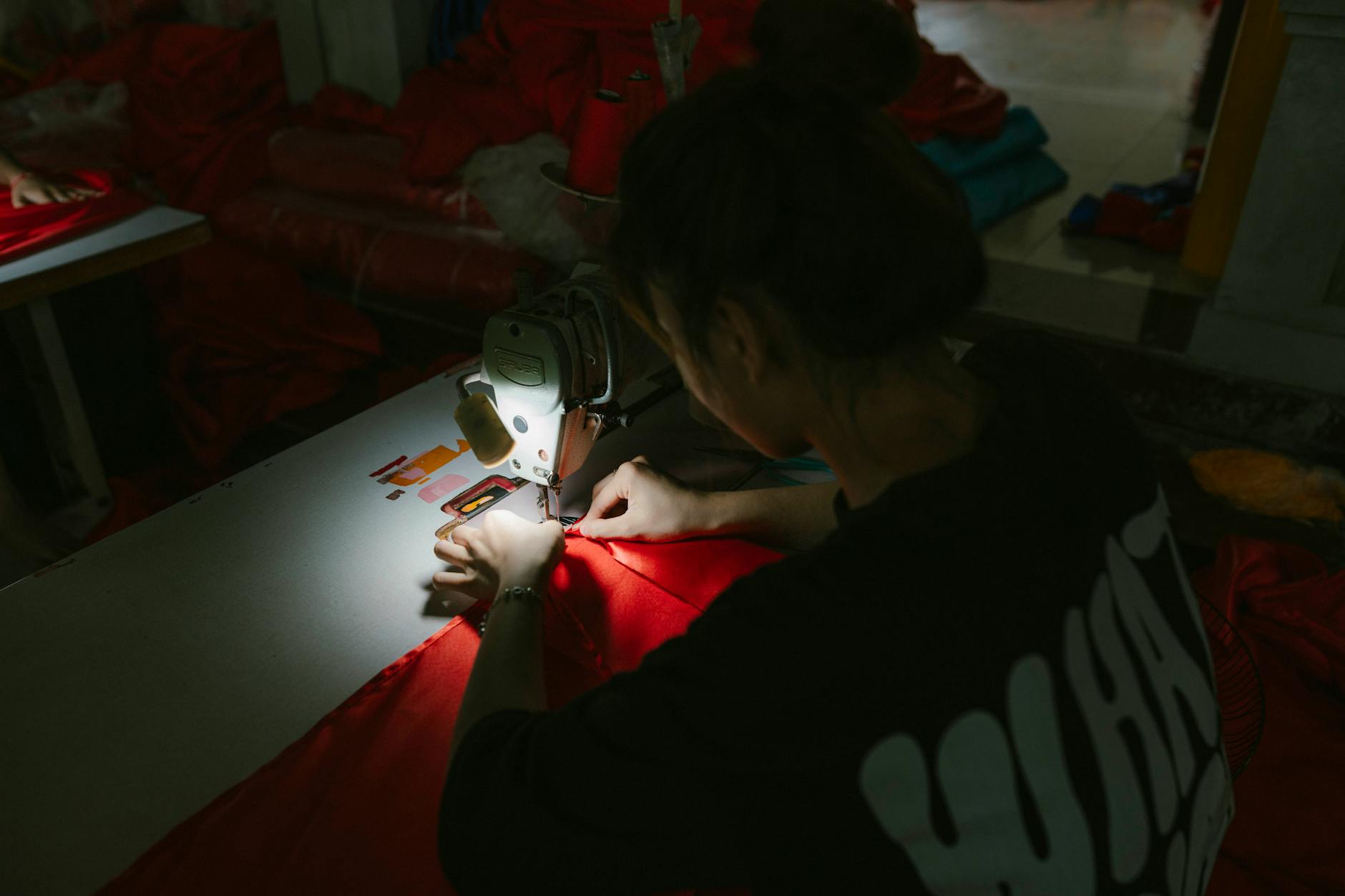
The Economics of Fashion Education
Fashion trade schools typically cost between $15,000 to $30,000 for complete programs, compared to $80,000 to $200,000 for four-year fashion degrees at private institutions. Students graduate with specialized certifications in pattern making, garment construction, or fashion merchandising without accumulating massive debt.
Emma Rodriguez, who left Parsons after one semester, enrolled at Los Angeles Trade-Technical College’s fashion program instead. “I was paying $50,000 per year to learn fashion history when I wanted hands-on pattern making skills,” she explains. “At trade school, I use industrial equipment daily and work directly with local manufacturers.”
The financial pressure extends beyond tuition. University programs often require expensive portfolios, study abroad experiences, and unpaid internships that many students cannot afford. Trade schools focus resources on equipment, industry-standard software, and direct job placement assistance.
Industry Alignment and Real-World Skills
Fashion trade schools partner directly with local manufacturers, alterations shops, costume departments, and boutique retailers. Students work on real projects while learning, creating immediate value for both themselves and industry partners.
Many university fashion programs still emphasize design theory and fashion history over practical skills like industrial sewing, pattern grading, or sustainable production methods. Trade school curricula adapt quickly to industry needs, incorporating new technologies like 3D pattern software and sustainable fabric innovations.
“We see graduates from trade schools who can operate our equipment from day one,” says Maria Fernandez, production manager at a Los Angeles garment manufacturer. “University graduates often need months of additional training to become productive employees.”
The rise of fast fashion alternatives and sustainable production has created demand for skilled technicians who understand both traditional craftsmanship and modern efficiency. Trade schools excel at teaching these hybrid skill sets, while universities struggle to update their programs quickly enough.

Career Pathways and Job Market Reality
Fashion trade school graduates enter diverse career paths often overlooked by university programs. Technical roles in pattern making, sample production, and quality control offer stable employment with growth potential. Many graduates start their own alterations businesses or work as freelance seamstresses for entertainment industry.
The job market for fashion designers remains highly competitive, with most positions requiring years of unpaid or low-paid experience. Technical fashion roles, however, offer immediate employment with starting salaries between $35,000 to $50,000 annually, often matching or exceeding entry-level positions available to university graduates.
Trade school networks connect students directly with employers through apprenticeships and job placement programs. University fashion programs, despite prestigious names, often leave students to navigate job searches independently while competing against thousands of other graduates with similar portfolios but limited practical experience.
Several trade school graduates have leveraged their technical skills into successful businesses. The practical knowledge of garment construction, combined with business courses included in many trade programs, provides a foundation for entrepreneurship that purely design-focused university education often lacks.
Technology Integration and Industry Evolution
Modern fashion trade schools integrate cutting-edge technology alongside traditional techniques. Students learn computer-aided design software, automated cutting systems, and sustainable production methods that reflect current industry standards. This technological focus aligns with the fashion industry’s increasing automation and digital transformation.
The growing vintage and resale market has created opportunities for skilled alteration specialists and restoration experts. Trade schools teach these specialized skills, while university programs rarely address the lucrative secondhand fashion sector that continues expanding as consumers embrace sustainable shopping habits.
As luxury brands increasingly partner with vintage shops for authenticated resale, the demand for technical expertise in garment restoration and authentication grows. Trade school graduates possess the hands-on knowledge necessary for these emerging career paths.

The shift toward trade school education reflects broader changes in how young people approach career preparation. As traditional employment structures evolve and entrepreneurship becomes more accessible, students prioritize practical skills over credentials. Fashion trade schools provide immediate pathways to employment while preserving the craftsmanship traditions that machine production cannot replace.
This educational evolution will likely accelerate as the fashion industry continues emphasizing sustainability and local production. Trade schools, with their flexibility and industry connections, are better positioned to train the next generation of fashion professionals for a rapidly changing market that values skill over status.
Frequently Asked Questions
How much do fashion trade schools cost compared to universities?
Fashion trade schools typically cost $15,000-$30,000 total, while university fashion programs can cost $80,000-$200,000 for a four-year degree.
What jobs can fashion trade school graduates get?
Graduates find work in pattern making, garment construction, alterations, sample production, quality control, and costume departments with starting salaries of $35,000-$50,000.