

Netflix viewers are binge-watching stories that started as ink on paper. From “The Umbrella Academy” to “Sweet Home,” graphic novel adaptations consistently rank among the platform’s most-watched series, fundamentally changing how we think about source material for premium television.
The numbers tell a compelling story. Netflix’s top-performing original series increasingly draw from comic books and graphic novels, outpacing traditional novel adaptations and even some original screenplays in both viewership and critical acclaim. This shift represents more than just a trend – it’s a recognition that graphic storytelling offers unique advantages for the streaming era.
1. Visual Blueprints Speed Up Production
Graphic novels function as detailed storyboards, giving directors and cinematographers a visual roadmap that traditional novels can’t provide. When Netflix adapted “The Umbrella Academy” from Gerard Way and Gabriel Ba’s comic series, showrunner Steve Blackman had access to precise visual references for everything from character designs to action sequences.
This visual foundation accelerates the pre-production process significantly. Production designers can reference specific architectural details, costume designers have clear character looks to build from, and special effects teams understand exactly what supernatural elements need to achieve. The result is faster development cycles and more cohesive visual storytelling that viewers immediately recognize and connect with.
2. Built-In Audience and Proven Concepts
Comic book and graphic novel series come with established fanbases who become instant evangelists for Netflix adaptations. “Locke & Key,” based on Joe Hill and Gabriel Rodriguez’s comic series, arrived on Netflix with readers already invested in the Locke family’s supernatural struggles. This existing audience provides crucial word-of-mouth marketing that algorithms favor.
Publishers track sales data meticulously, giving Netflix clear metrics on which graphic novels resonate with readers. Unlike untested original concepts, these adaptations start with proven story structures and character dynamics. The streaming service can predict audience interest based on comic sales, convention buzz, and online fan communities before investing in production.
3. Serialized Structure Matches Streaming Habits
Graphic novels are inherently episodic, with story arcs that translate naturally to television seasons. Comic issues provide clear episode breaks, while multi-issue storylines map perfectly to seasonal narratives. This structure aligns with how viewers consume content on Netflix – in concentrated bursts that mirror comic reading patterns.
The pacing feels familiar to audiences accustomed to both comics and streaming. Cliffhangers that work in monthly comic releases create the same anticipation for next episodes. Plot reveals that unfold over comic issues maintain their impact when spread across television episodes, creating natural binge-watching rhythms.
4. Genre Diversity Beyond Superheroes
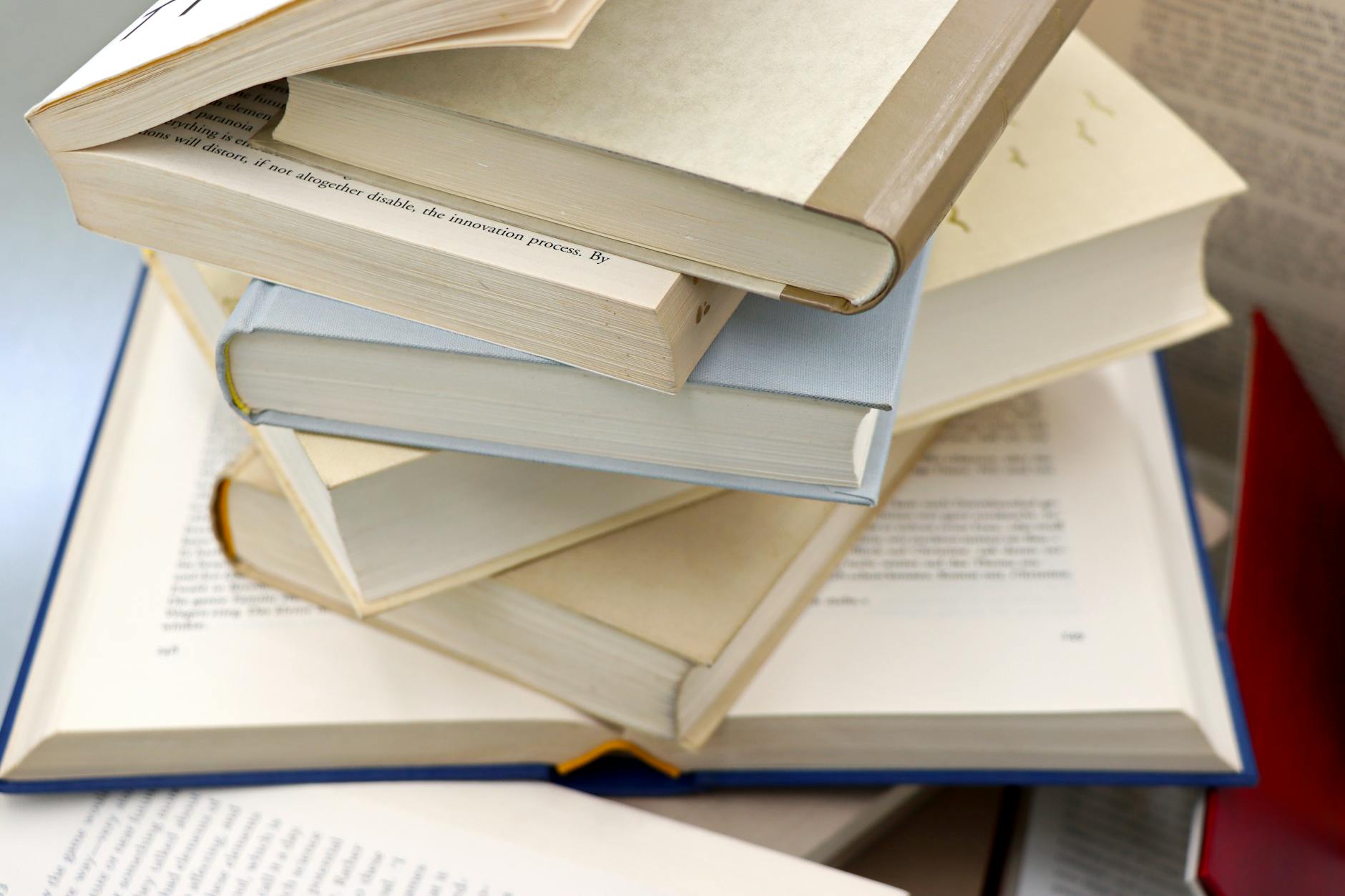
Netflix’s graphic novel adaptations span far beyond traditional superhero stories. “Sweet Home,” based on the Korean webtoon, brought apocalyptic horror to streaming audiences. “The Haunting of Hill House” creator Mike Flanagan has expressed interest in adapting psychological horror comics. This diversity proves that graphic storytelling encompasses every genre that television explores.
Horror, mystery, romance, and slice-of-life graphic novels offer rich source material that traditional publishers might overlook. International comics, particularly Korean webtoons and Japanese manga, introduce Netflix to global storytelling traditions and built-in international audiences. This global approach aligns with Netflix’s expansion strategy while providing content that feels fresh to Western viewers.
5. Cost-Effective Content with High Production Value
Adapting existing graphic novels costs significantly less than developing original concepts from scratch. Writers’ rooms can reference established character arcs and plot points rather than building everything from zero. This efficiency extends to costume design, set construction, and casting – all guided by existing visual references.
The perceived production value remains high because graphic novels typically feature cinematic storytelling techniques. Readers expect dynamic visuals, complex world-building, and high-stakes narratives. When translated to screen, these elements create the epic scope that Netflix uses to compete with traditional network television and cable premium channels.
6. Cross-Media Marketing Opportunities
Netflix adaptations drive graphic novel sales, creating beneficial relationships with publishers. When “The Umbrella Academy” premiered, Dark Horse Comics reported significant increases in back-issue sales. Publishers promote Netflix series to comic shop customers, while Netflix promotes source material to viewers wanting more story content.
This symbiotic relationship extends beyond simple cross-promotion. Netflix can time series releases with new comic storylines, creating synchronized marketing campaigns. Limited edition graphic novels tied to series premieres, creator interviews, and behind-the-scenes content that shows adaptation processes all generate additional engagement that pure adaptations from traditional novels rarely achieve.
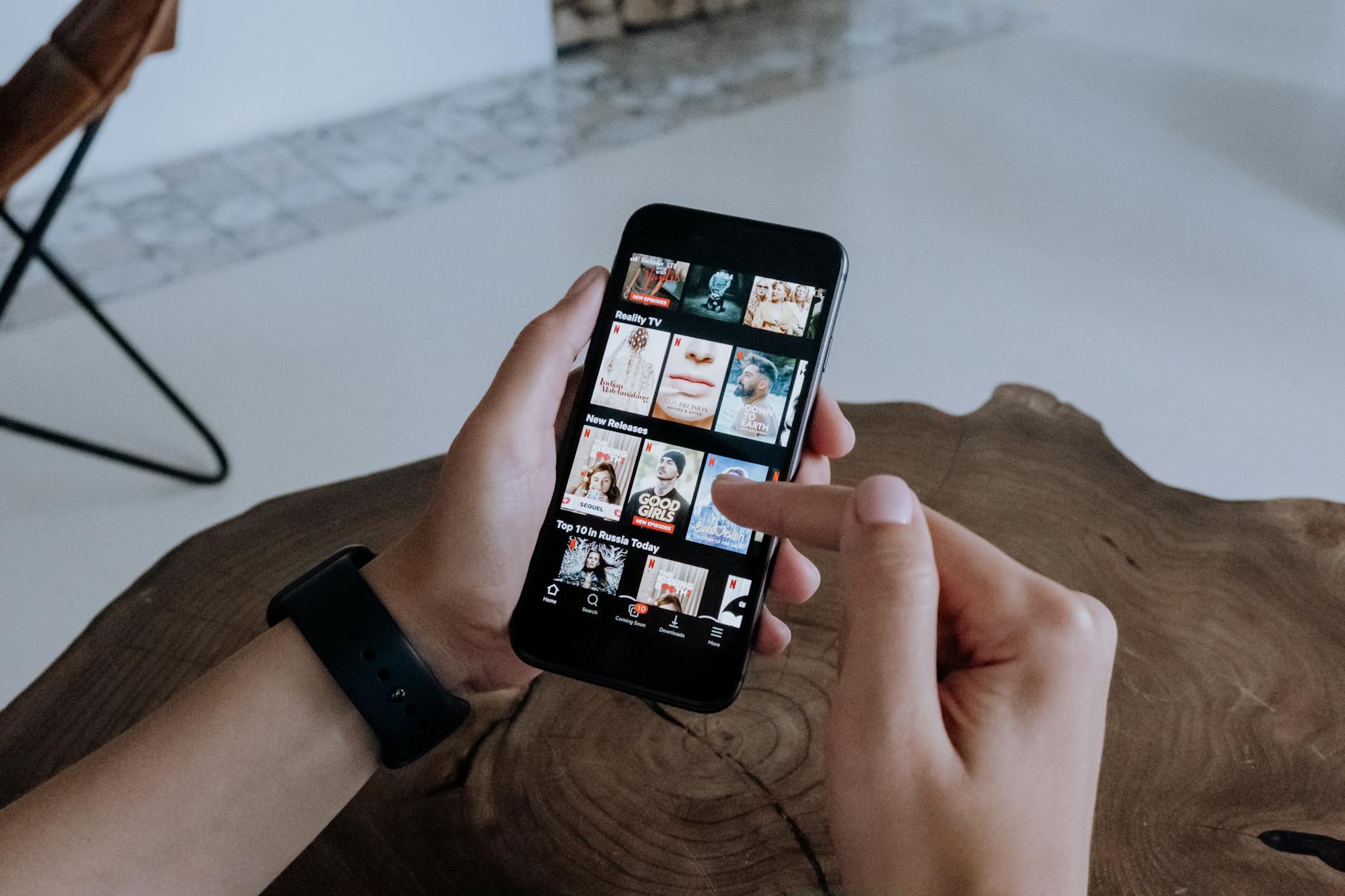
The dominance of graphic novel adaptations on Netflix reflects a fundamental shift in how premium television sources its content. Unlike the publishing industry’s slower recognition of digital trends – where literary agents are now scouting TikTok comments for new talent – Netflix recognized early that visual storytelling mediums translate naturally to streaming platforms.
This trend shows no signs of slowing. Netflix continues acquiring rights to graphic novels across all genres, from intimate character studies to massive fantasy epics. The success of these adaptations proves that audiences crave stories that blend literary depth with visual spectacle – exactly what graphic novels have provided for decades.
The streaming giant’s commitment to graphic novel adaptations represents more than content strategy; it’s a recognition that some of today’s most compelling stories are being told through the combination of words and images that defines the medium. As traditional publishing adapts to digital-first approaches, Netflix has already identified where the most cinematically viable stories are being created.
Frequently Asked Questions
Why do graphic novel adaptations work better than book adaptations for Netflix?
Graphic novels provide visual blueprints and built-in audiences while offering episodic structures that match streaming consumption patterns.
What are Netflix’s most successful graphic novel adaptations?
The Umbrella Academy, Sweet Home, and Locke & Key rank among Netflix’s top-performing series based on graphic novel source material.