





While Barnes & Noble continues closing stores and Amazon dominates online sales, a surprising countertrend has emerged in the book industry. Independent bookstores are not just surviving-they’re thriving. According to the American Booksellers Association, the number of independent bookstores has grown for seven consecutive years, reaching over 2,500 locations nationwide in 2023.
This resurgence defies conventional wisdom about retail’s digital transformation. While major chains struggle with overhead costs and inventory management, indie bookstores have found their sweet spot by offering something algorithms cannot: genuine human curation and community connection.
The Community Hub Revolution
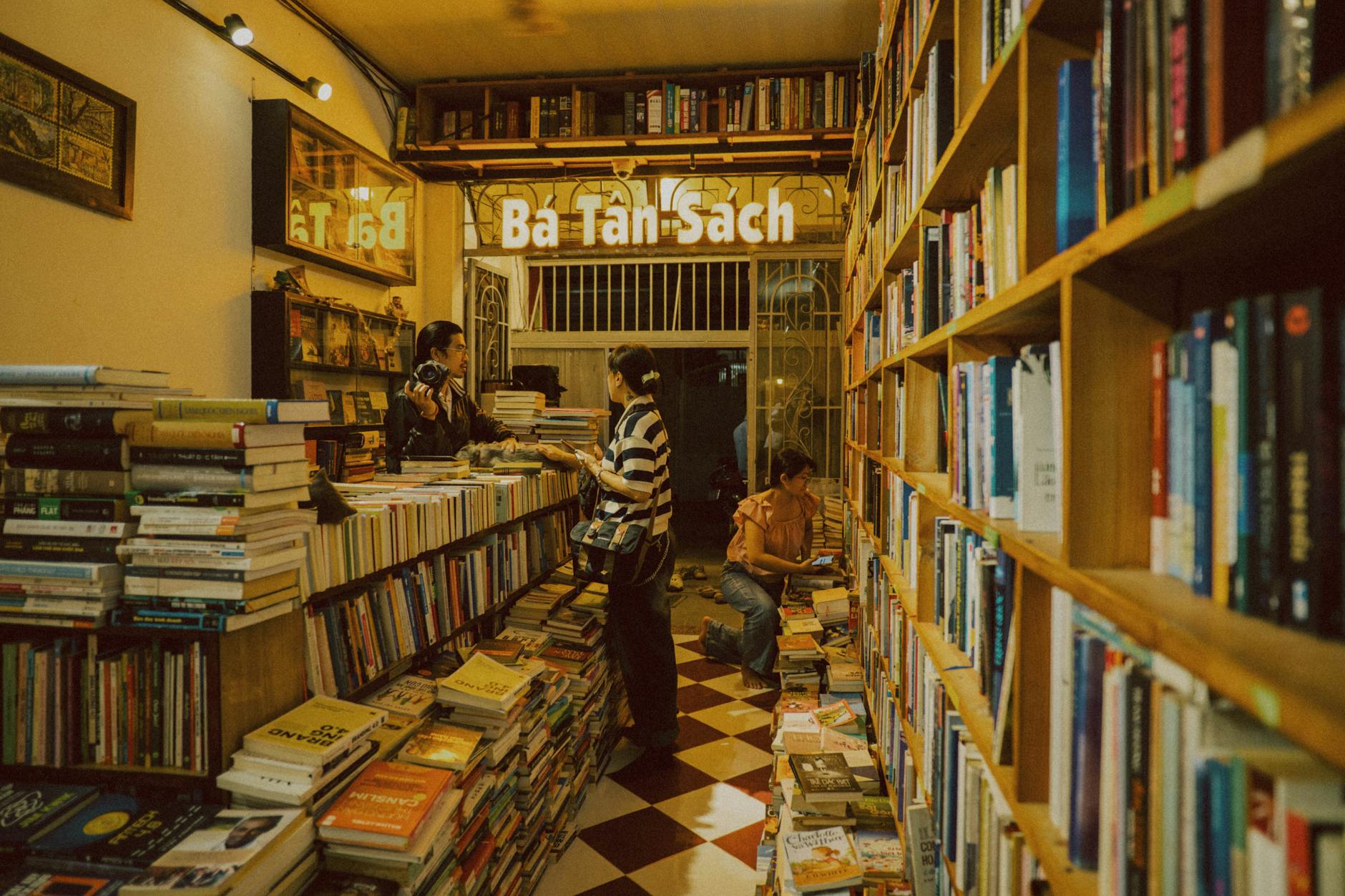
Independent bookstores have evolved far beyond simple retail spaces. They’ve transformed into cultural epicenters that host author readings, book clubs, writing workshops, and literary events that create lasting customer relationships. Powell’s Books in Portland draws tourists from around the world, while Housing Works Bookstore in New York combines book sales with social activism.
These stores understand their neighborhoods intimately. Staff recommendations carry weight because customers trust the expertise of booksellers who know their preferences. When a customer asks for “something like Elena Ferrante but set in contemporary America,” an experienced indie bookseller can suggest three perfect titles within seconds-a level of personalization that online recommendation engines still struggle to match.
The pandemic accelerated this community focus. Many independent bookstores pivoted quickly to curbside pickup, virtual events, and curated book boxes. Customers responded enthusiastically, viewing their purchases as support for local businesses rather than mere transactions. This loyalty has persisted as stores reopened, creating a customer base that actively chooses to shop indie.
Curated Selection Beats Endless Choice
While Amazon offers millions of titles, independent bookstores have discovered that thoughtful curation trumps overwhelming selection. These stores stock approximately 10,000 to 20,000 titles compared to chain stores’ 100,000-plus inventory, but each book is chosen deliberately.
This curated approach extends beyond bestsellers. Independent bookstores champion literary fiction, poetry, and niche genres that larger retailers often overlook. They’re particularly strong in promoting debut authors and books from small presses. Publishers have noticed this influence-many now specifically target indie bookstores for launch events and early review copies.
The rise of BookTok and social media book recommendations has also benefited indie stores. When a book goes viral online, customers often prefer discovering it in person rather than clicking “add to cart.” Independent bookstores have learned to capitalize on these trends while maintaining their distinct identity.
Economics of Scale Working in Reverse
Paradoxically, independent bookstores’ smaller scale has become an advantage. They carry lower overhead than massive chain stores, allowing them to remain profitable with fewer transactions. Many operate in affordable neighborhoods or have found creative solutions like sharing space with cafes or community centers.

The American Booksellers Association’s advocacy efforts have also leveled the playing field. Their partnership with Bookshop.org allows indie stores to compete with Amazon’s online convenience while keeping profits within the local community. When customers buy books online through their local store’s Bookshop.org page, the store receives a commission-creating a hybrid model that combines digital efficiency with local support.
Independent bookstores have also mastered the art of merchandise diversification. They sell literary-themed gifts, local authors’ works, journals, and book-adjacent items that create higher margins than books alone. These additional revenue streams help sustain operations during slower periods.
Publishers have adjusted their distribution models to better serve independent stores. Programs like advance reader copies, cooperative advertising, and flexible return policies make it easier for smaller stores to stock new releases and take risks on unknown authors.
The Experience Economy Advantage
Book buying has become as much about experience as product acquisition. Independent bookstores excel at creating memorable shopping experiences that online retailers cannot replicate. The smell of new books, the serendipity of discovering unexpected titles, and conversations with knowledgeable staff create emotional connections that drive repeat business.
Many indie bookstores have embraced their role as “third places”-spaces between home and work where people gather and connect. They’ve added comfortable seating areas, coffee services, and longer operating hours to encourage browsing and socializing. This strategy has proven particularly effective with younger readers who value experiences over possessions.
The success of romance novels, which are outselling all other fiction genres combined, has provided another boost to independent bookstores. These stores often create dedicated romance sections and host genre-specific events that build passionate customer communities.

Looking Forward: Sustainable Growth
The independent bookstore renaissance appears sustainable rather than merely nostalgic. New stores continue opening, often founded by younger entrepreneurs who understand both traditional bookselling and digital marketing. These new owners leverage social media effectively while maintaining the personal touch that defines indie bookstores.
Industry analysts predict continued growth, particularly in urban and suburban areas where communities value local businesses. The key will be maintaining the delicate balance between growth and the intimate character that makes these stores special.
As retail continues evolving, independent bookstores have proven that success isn’t always about scale or convenience. Sometimes it’s about creating spaces where books become bridges between people, ideas, and communities-something no algorithm can truly replicate.
Frequently Asked Questions
Why are independent bookstores growing while chain stores close?
Indies focus on community connection, curated selection, and personal service that creates loyal customers and sustainable business models.
How do independent bookstores compete with Amazon’s prices?
They offer personalized recommendations, community events, and shopping experiences that online retailers cannot replicate.