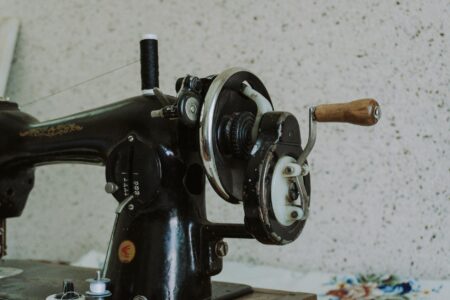





A surprising shift is happening across retail floors nationwide. Target has opened repair stations in select locations. Nordstrom is testing alteration hubs that fix more than just their own merchandise. Even Walmart has launched pilot programs featuring on-site shoe repair and electronics fixes.
Major retailers are embracing what industry insiders call “permanent pop-up repair shops” – dedicated spaces within stores that offer fixing services alongside traditional shopping. This represents a fundamental change in how America’s biggest retailers think about customer relationships and product lifecycles.
The movement stems from consumer demand for sustainability, the rising cost of replacement goods, and a growing cultural shift toward repair over replacement. Retailers are discovering that offering repair services creates deeper customer loyalty while opening new revenue streams in an increasingly competitive market.
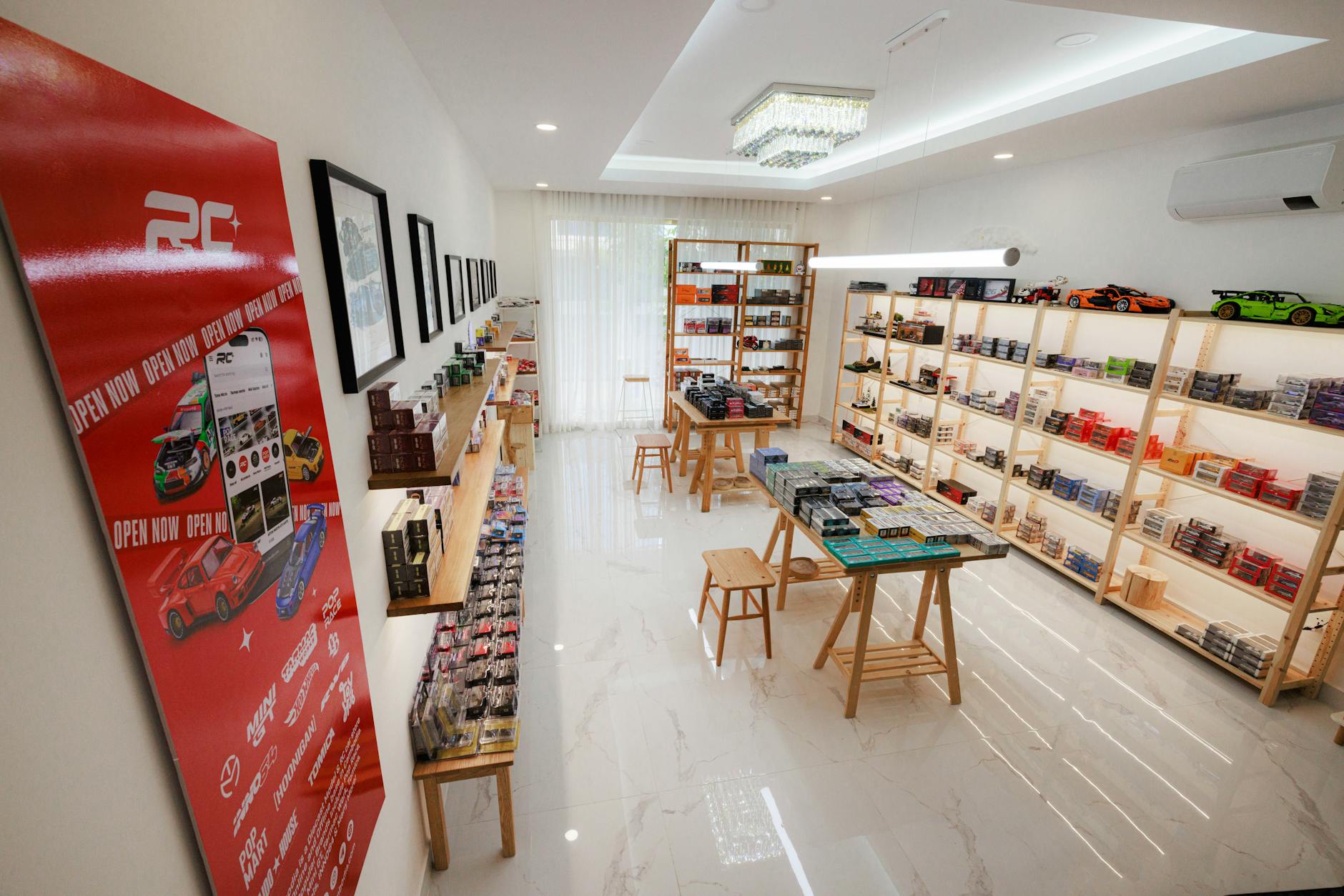
The Economics Behind the Repair Revolution
Repair services generate higher profit margins than traditional retail merchandise. While clothing typically carries 40-60% margins, alterations and repairs often yield 70-80% profit margins due to their service-based nature and local pricing flexibility.
Best Buy pioneered this approach with Geek Squad, proving that technical repair services could drive both revenue and foot traffic. Now fashion and general merchandise retailers are applying similar strategies to clothing, shoes, and household items.
Target’s partnership with local tailors in Minneapolis and Chicago stores has reportedly increased average visit duration by 23 minutes. Customers who use repair services spend an additional 15% per visit compared to regular shoppers, according to retail analytics firm RetailNext.
The timing aligns with broader consumer trends. Supply chain disruptions have made replacement items more expensive and harder to find. Simultaneously, younger consumers increasingly prioritize sustainability, with 73% of millennials willing to pay more for sustainable products and services, according to Nielsen research.
What Services Retailers Are Actually Offering
The repair offerings vary significantly by retailer and location. Nordstrom’s pilot programs include hemming, basic alterations, shoe repair, and jewelry fixes. Some locations have added leather goods restoration and handbag cleaning services.
Target’s approach focuses on practical repairs: clothing alterations, shoe cobbling, and small electronics fixes. Their Minneapolis flagship includes a watch battery replacement station and phone screen repair corner operated by certified technicians.
Macy’s has tested vintage clothing restoration services in their New York and San Francisco locations, capitalizing on the growing vintage fashion trend. These services include fabric restoration, zipper replacement, and period-appropriate alterations for vintage pieces.
Department store chain Dillard’s launched a comprehensive alteration program that extends beyond their own merchandise. Customers can bring clothing purchased anywhere for professional alterations, positioning Dillard’s as a neighborhood service hub rather than just a retail destination.
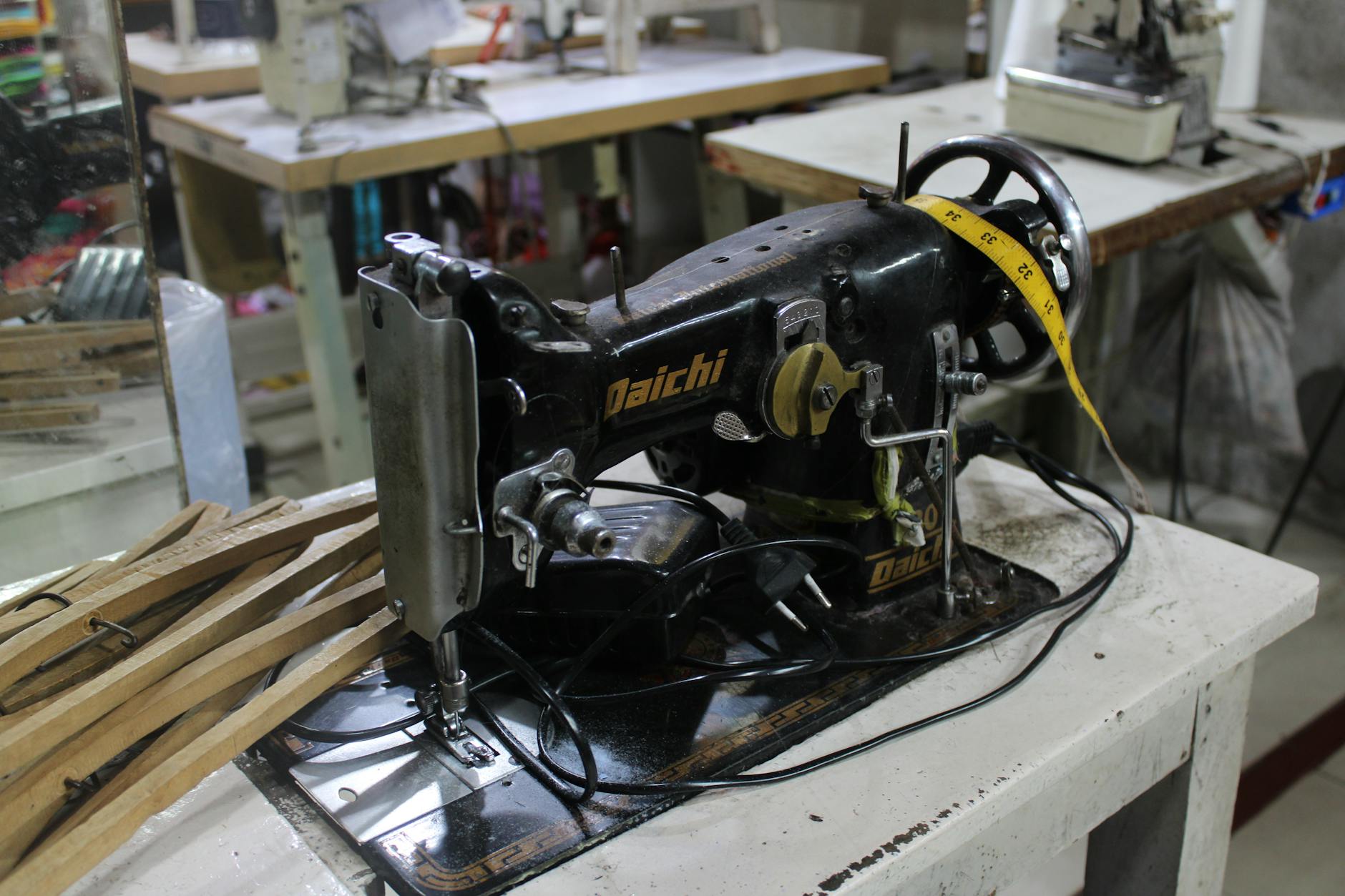
The electronics repair trend is expanding beyond Best Buy. Several major retailers are partnering with independent repair specialists to offer smartphone, tablet, and laptop repairs. This approach allows retailers to offer technical services without investing in specialized training for their staff.
The Cultural Shift Driving Demand
The repair movement connects to broader cultural changes around consumption and waste. Social media has amplified “visible mending” trends, where repairs become decorative elements rather than hidden fixes. Japanese concepts like “mottainai” – regret over waste – and “kintsugi” – the art of golden repair – have gained popularity among Western consumers.
This cultural shift intersects with economic pressures. Rising costs for new goods make repair services more attractive. A professional shoe repair that costs $40 becomes appealing when replacement shoes cost $120 or more.
The trend also reflects changing shopping patterns. As online shopping dominates routine purchases, physical stores must offer experiences that justify the trip. Repair services create a compelling reason to visit stores while building emotional connections between customers and brands.
Fashion students are increasingly choosing trade schools that teach repair and alteration skills, as covered in recent industry analysis. This educational shift ensures a growing pool of qualified technicians for retail repair programs.
Implementation Challenges and Solutions
Retailers face significant operational challenges when adding repair services. Space constraints in existing stores require creative solutions. Many retailers dedicate corner spaces or use modular stations that can be moved based on demand.
Quality control presents another challenge. Retailers must ensure repair work meets brand standards while managing customer expectations. Most have implemented quality guarantee policies, promising to redo unsatisfactory repairs or refund service costs.
Staffing requires specialized skills that traditional retail employees don’t possess. Most retailers partner with established repair businesses or independent contractors rather than training existing staff. This partnership model allows stores to offer professional services without extensive employee training programs.
Insurance and liability considerations add complexity. Retailers must cover potential damage to customer items during repair processes. Most have developed comprehensive liability policies and clear terms of service that outline responsibilities and limitations.
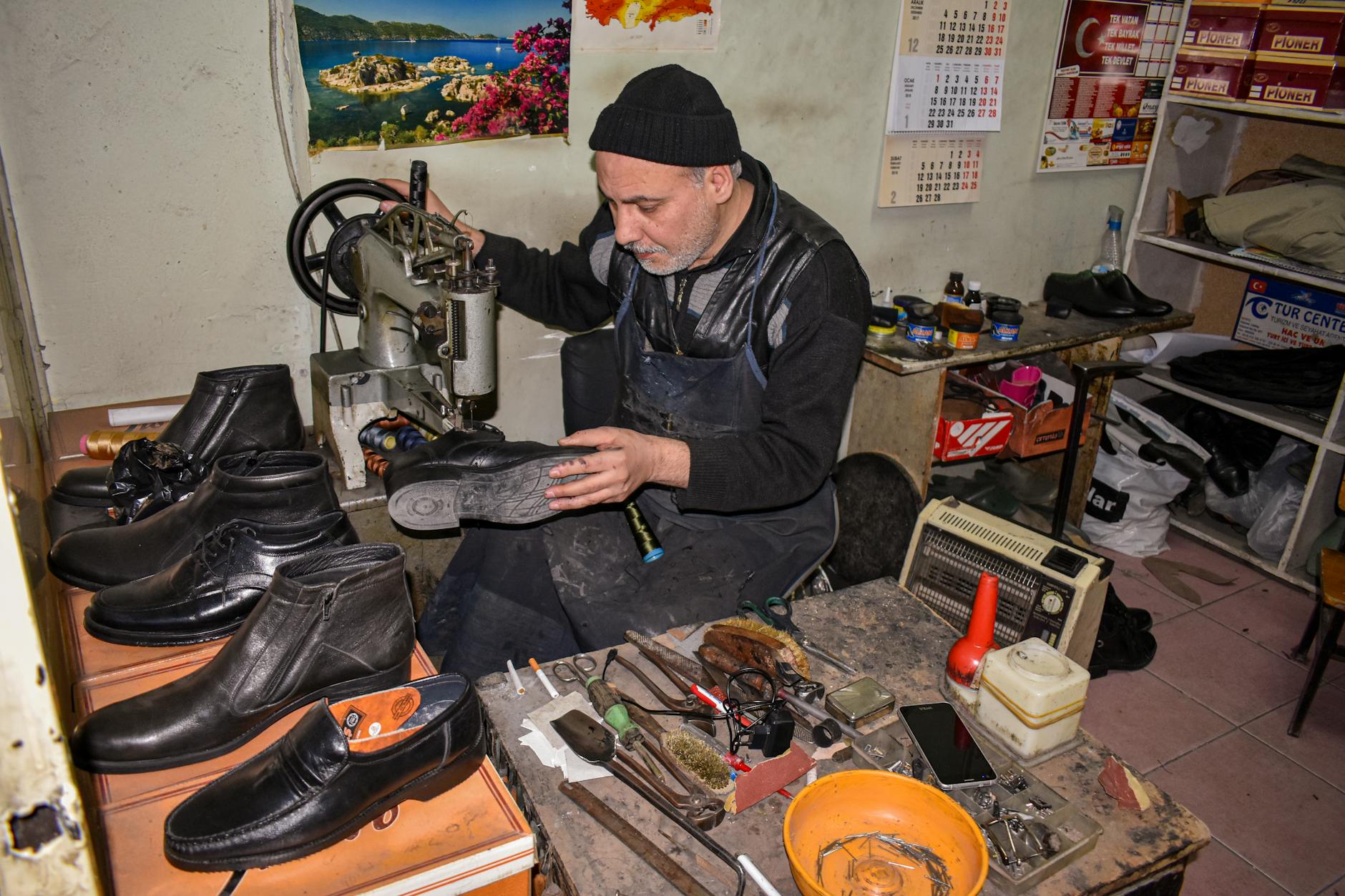
The logistics of managing repair timelines while maintaining customer satisfaction require sophisticated tracking systems. Retailers use modified inventory management systems to track items through repair processes and communicate status updates to customers.
Future of Retail Repair Services
Industry analysts predict repair services will expand beyond current pilot programs. Retail consultant firm McKinsey forecasts that repair services could represent 8-12% of total retail revenue within five years, up from less than 2% currently.
Technology integration will likely accelerate adoption. QR code systems allow customers to drop off items, track repair progress, and receive notifications without extensive staff interaction. Mobile apps enable appointment scheduling and service customization.
The success of permanent pop-up repair shops may influence broader retail real estate strategies. Stores designed with dedicated repair spaces from the ground up could become standard rather than retrofitted additions.
Consumer acceptance appears strong based on early pilot programs. Retailers report high satisfaction scores and repeat usage rates for repair services. The model addresses multiple consumer priorities: sustainability, cost savings, convenience, and product longevity.
As supply chains remain unpredictable and consumers become more environmentally conscious, repair services offer retailers a way to differentiate themselves while building stronger customer relationships. The permanent pop-up repair shop represents more than a trend – it signals a fundamental shift toward service-based retail experiences that extend product lifecycles rather than just pushing new purchases.
Frequently Asked Questions
Which major retailers offer in-store repair services?
Target, Nordstrom, Walmart, Macy’s, and Dillard’s have all launched pilot repair programs in select locations.
What types of repairs do retail stores offer?
Services include clothing alterations, shoe repair, electronics fixes, jewelry repair, and leather goods restoration.