





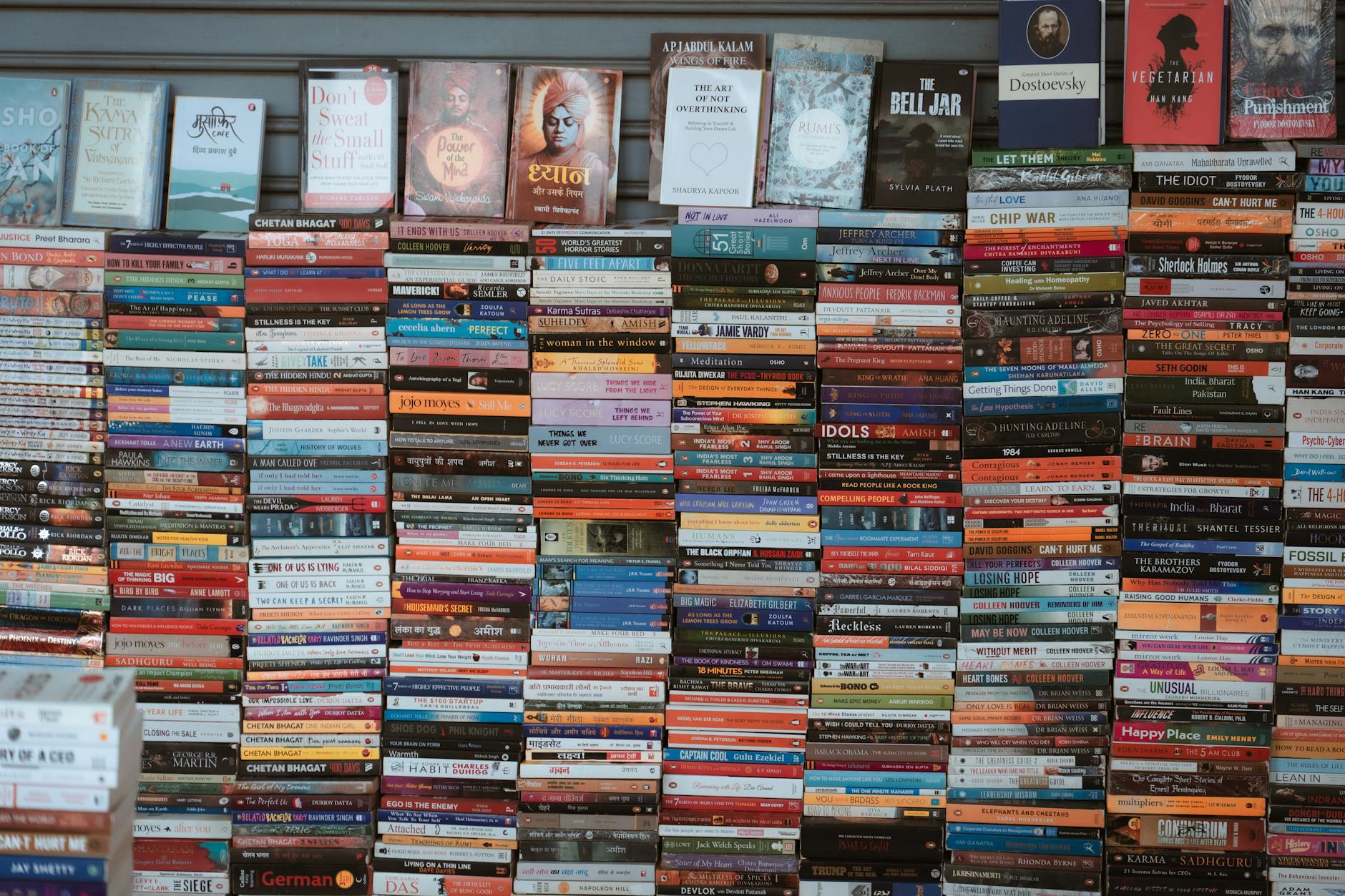
Bookstore shelves tell the story: memoirs now occupy prime real estate where fiction once reigned supreme. Publishers report memoir sales have surged 35% since 2020, while literary fiction struggles to maintain pre-pandemic numbers. The shift represents more than changing reader preferences – it signals a fundamental transformation in how audiences process reality after years of global upheaval.
The phenomenon spans every demographic. Celebrity memoirs from figures like Matthew McConaughey and Viola Davis dominated bestseller lists, while lesser-known voices sharing pandemic experiences, mental health journeys, and cultural reckonings found eager audiences. Publishers who once treated memoirs as niche offerings now actively court first-time authors with compelling personal stories.
The Authenticity Hunger Driving Sales
Readers emerge from pandemic isolation craving genuine human connection, and memoirs deliver authenticity in ways fiction cannot match. The genre offers verified experiences from real people navigating recognizable struggles – job loss, family tensions, health scares, identity questions.
Publishing executives notice this trend across age groups. Young readers, despite their reputation for fantasy and romance, increasingly gravitate toward memoirs about overcoming adversity, finding purpose, or building careers. Middle-aged audiences seek stories reflecting their own life transitions. Older readers connect with memoirs exploring aging, legacy, and meaning.
The success extends beyond celebrity names. Unknown authors sharing stories about addiction recovery, immigration journeys, or career pivots routinely outsell established fiction writers. Publishers report memoir proposals flooding their inboxes at unprecedented rates, with many offering compelling narratives previously considered too niche for mass appeal.
Social media amplifies this trend. Platforms like TikTok and Instagram create direct connections between memoir authors and readers, fostering communities around shared experiences. Authors can build audiences before publication, guaranteeing sales that fiction writers struggle to match without existing fame.
Fiction’s Post-Pandemic Struggles
Literary fiction faces unique challenges in the current market. Readers report difficulty connecting with invented scenarios when reality feels overwhelming enough. Escapist fiction – fantasy, romance, mysteries – maintains stronger sales, but serious literary works struggle to capture attention.
Publishing industry data reveals telling patterns. Historical fiction, once reliably popular, declined sharply as readers lost appetite for distant settings. Contemporary fiction about relationships and career dilemmas feels less compelling when readers prefer learning how real people navigated similar situations.
The economic pressures affect debut fiction writers most severely. Publishers, facing tighter margins, favor memoirs with built-in marketing angles over literary fiction requiring extensive promotional investment. First-time novelists find agents harder to secure, while memoir writers with unique stories attract multiple offers.

Award seasons reflect these shifts. Major literary prizes still honor fiction, but memoir categories gain prestige and media attention. Readers follow memoir prize winners more closely than fiction awards, driving sales for winners and creating feeding frenzies for forthcoming titles from acclaimed memoir writers.
The Celebrity Memoir Machine
Celebrity memoirs fuel much of the genre’s explosive growth. Publishers pay massive advances for famous names, knowing devoted fan bases guarantee sales regardless of writing quality. The strategy works: celebrity memoirs regularly top bestseller lists for months.
The celebrity memoir formula evolved beyond traditional entertainment figures. Business leaders, athletes, politicians, and social media influencers all command substantial advances for personal stories. Publishers particularly prize figures who survived public scandals or overcame widely-known struggles.
Ghost writers and collaborative authors benefit from this boom. Many celebrity memoirs involve professional writers crafting compelling narratives from raw material, creating a cottage industry of skilled memoir ghostwriters. These professionals often earn more consistent income than literary fiction writers.
The trend extends to influencer memoirs targeting younger demographics. Social media personalities with millions of followers translate online success into book deals, often outselling traditional literary works despite limited writing experience. Publishers view these deals as marketing investments, banking on built-in audiences rather than literary merit.
Platform-Driven Success Stories
Social media platforms reshape memoir publishing in fundamental ways. Authors build audiences by sharing story fragments, creating anticipation for full narratives. This approach mirrors how BookTok creates literary trends, but applies particularly well to memoir marketing.
Podcast success stories frequently translate into memoir deals. Hosts who share personal stories while interviewing guests develop loyal audiences eager for deeper narratives. Publishers actively court successful podcasters, knowing established listenership translates into book sales.
Newsletter writers and bloggers also benefit from memoir opportunities. Authors who spent years sharing personal insights through smaller platforms find publishers interested in expanded versions of their stories. These writers often have engaged, devoted audiences perfect for memoir sales.
The platform-first approach challenges traditional publishing paths. Authors no longer need literary credentials or agent representation if they demonstrate audience-building abilities. Publishers increasingly view platform size as more valuable than writing samples when evaluating memoir proposals.

The Future of Personal Storytelling
Industry experts predict memoir dominance will continue as cultural conversations increasingly center on identity, authenticity, and lived experience. Publishers invest heavily in memoir acquisitions, believing the trend represents permanent rather than temporary market shifts.
The success creates opportunities for previously marginalized voices. Publishers actively seek diverse memoir writers, recognizing audiences hunger for varied perspectives and experiences. This democratization of memoir publishing could fundamentally alter literary landscapes.
Technology may further accelerate memoir appeal. AI writing tools help aspiring memoir writers overcome technical barriers, potentially flooding markets with personal narratives while raising questions about authenticity and craft.
Fiction writers adapt by incorporating memoir elements – more authentic dialogue, realistic settings, recognizable emotional situations. The boundary between memoir and autofiction blurs as writers seek ways to capture memoir’s emotional immediacy within fictional frameworks.
The memoir boom reflects deeper cultural shifts toward prioritizing personal truth over imagination, individual experience over universal themes. Whether this represents permanent change or cyclical preference remains unclear, but publishers continue betting on readers’ sustained appetite for real stories from real people navigating an increasingly complex world.
Frequently Asked Questions
Why are memoir sales increasing so dramatically?
Readers crave authentic human connection after pandemic isolation, preferring real experiences over fictional narratives.
How do celebrity memoirs impact the publishing industry?
Celebrity memoirs guarantee sales through built-in fan bases, allowing publishers to pay large advances and dominate bestseller lists.