





Rihanna wore them to the Met Gala. Zendaya stacked them with gold chains at Coachella. Harry Styles paired them with his custom Gucci suits. Pearls, once relegated to grandmother’s jewelry boxes and formal occasions, have emerged as Gen Z’s unexpected investment darling.
The shift represents more than just fashion evolution. Young consumers are treating pearls as both style statements and financial assets, with vintage and contemporary pearl pieces appreciating in value while serving as versatile wardrobe staples. Unlike previous generations who viewed pearls as stuffy formal wear, Gen Z sees them as rebellion against fast fashion and a hedge against economic uncertainty.

The Social Media Pearl Renaissance
TikTok and Instagram have transformed how young people discover and style pearls. The hashtag #pearlcore has generated millions of views, showcasing everything from baroque pearl earrings to layered pearl necklaces worn with oversized hoodies and vintage band tees. This digital exposure has educated Gen Z about pearl quality, origins, and investment potential in ways traditional jewelry education never could.
Beauty influencers and fashion creators regularly feature pearl styling tutorials, explaining the difference between cultured and natural pearls, Akoya versus Tahitian varieties, and how to spot quality pieces at vintage shops. The accessibility of this information has democratized pearl knowledge, previously gatekept by high-end jewelers.
Celebrity endorsements amplify the trend. When A$AP Rocky wore a layered pearl necklace to a fashion week event, searches for men’s pearl jewelry spiked 300% according to fashion search engine Lyst. Similarly, Olivia Rodrigo’s pearl hair clips and Emma Chamberlain’s pearl-adorned phone cases have inspired countless recreations and shopping hauls.
The investment angle resonates particularly strongly with Gen Z, who witnessed their parents navigate multiple economic downturns. High-quality pearl jewelry holds value better than most fashion purchases, and vintage pieces from brands like Mikimoto or Tiffany often appreciate over time. Young investors view pearls as wearable assets that provide daily enjoyment while building wealth.
Breaking Gender Boundaries in Pearl Fashion
Gen Z has shattered traditional gender norms around pearl jewelry. Male celebrities like Shawn Mendes, Timothee Chalamet, and Machine Gun Kelly regularly wear pearl earrings and necklaces, normalizing pearls as unisex accessories. This shift mirrors broader conversations about fashion freedom and self-expression.
The movement extends beyond celebrities. College campuses nationwide report increased pearl wearing among male students, from subtle pearl studs to statement chokers. Social media accounts dedicated to men’s pearl fashion have gained substantial followings, sharing styling tips and outfit inspiration.
This gender-neutral approach has expanded the market significantly. Jewelry brands now market pearl pieces to all genders, using diverse models and inclusive language. Independent designers create specifically androgynous pearl jewelry that appeals to Gen Z’s preference for gender-fluid fashion choices.
The trend connects to broader cultural shifts around masculinity and jewelry. Just as vintage leather jackets became power statements for tech executives, pearls represent confidence and individuality for young men willing to challenge conventional style rules.

Investment Strategy Meets Aesthetic Choice
Gen Z approaches pearl purchasing with research intensity typically reserved for stock investments. They study auction results for vintage Chanel pearl pieces, track price movements for specific pearl types, and build collections strategically rather than impulsively.
The generation’s financial pragmatism drives this behavior. Having witnessed economic volatility throughout their formative years, they seek purchases that serve multiple purposes. Pearls satisfy both aesthetic desires and investment goals, providing daily wear value while potentially appreciating over time.
Vintage pearl jewelry performs particularly well in resale markets. Estate pieces from renowned designers often sell for multiples of their original retail prices, especially when accompanied by authentication and provenance documentation. Gen Z collectors actively hunt these pieces at estate sales, auction houses, and high-end consignment shops.
The sustainability angle adds another layer of appeal. Buying vintage or well-made contemporary pearl jewelry aligns with Gen Z’s environmental values, offering an alternative to fast fashion accessories that quickly lose value and contribute to waste. Quality pearl pieces can last generations with proper care, making them genuinely sustainable luxury purchases.
Market Response and Future Trends
Jewelry brands have noticed and responded to Gen Z’s pearl enthusiasm. Established houses like Tiffany & Co. and Cartier now emphasize pearl pieces in their marketing to younger demographics, while emerging brands focus specifically on modern pearl designs that appeal to Gen Z aesthetics.
Direct-to-consumer pearl brands have proliferated, offering customization options and transparent sourcing information that resonates with young consumers. These companies often provide educational content about pearl cultivation, quality grading, and care instructions, building trust and expertise among their customers.
The secondary market has exploded accordingly. Luxury resale platforms report that pearl jewelry represents one of their fastest-growing categories, with particularly strong demand for vintage designer pieces and contemporary statement styles.
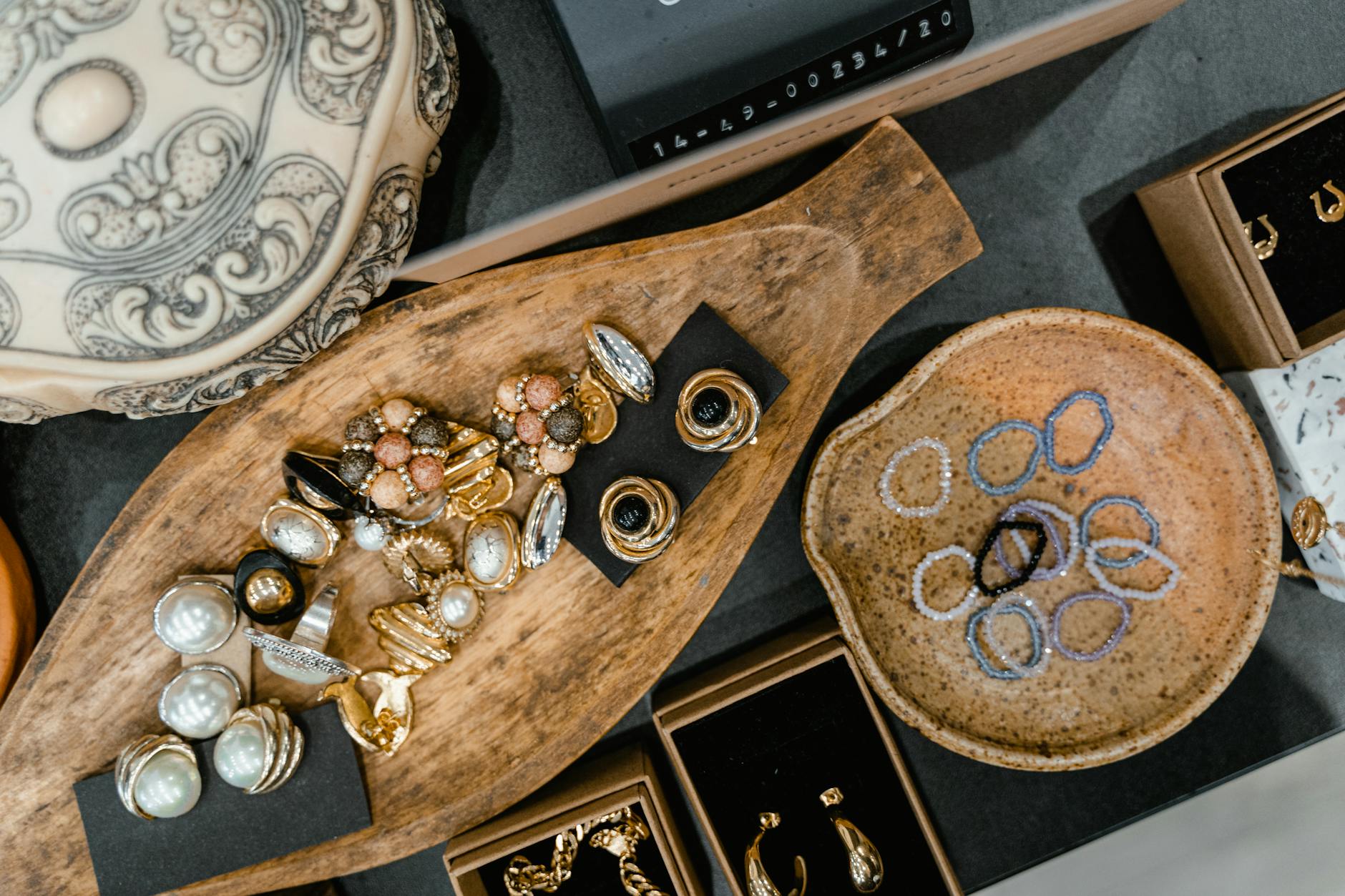
Fashion forecasters predict the pearl trend will continue evolving rather than fading. As Gen Z enters peak earning years over the next decade, their purchasing power will support sustained demand for quality pearl jewelry. The generation’s preference for investment pieces over disposable fashion suggests pearls will maintain their status as both style statements and financial assets.
The trend also signals broader shifts in luxury consumption patterns. Gen Z’s approach to pearls – researched, strategic, and multifunctional – represents how younger consumers increasingly evaluate all luxury purchases. They demand pieces that serve multiple purposes: aesthetic, financial, and philosophical alignment with their values.
This pearl renaissance demonstrates Gen Z’s sophisticated understanding of fashion as investment, sustainability as luxury, and personal style as financial strategy. As they continue to reshape consumer markets, pearls stand as proof that the oldest luxury materials can find new life through fresh perspectives and strategic thinking.
Frequently Asked Questions
Why are pearls popular with Gen Z?
Gen Z values pearls as both investment pieces and versatile style statements that align with their sustainability and financial goals.
Are pearls a good investment for young people?
Quality vintage and designer pearl jewelry often appreciates in value while providing daily wear, making them practical investment pieces.