





The traditional picture frame has held its ground for over a century, displaying static memories in homes worldwide. But smart home displays are finally mounting a serious challenge, transforming how families share and experience their digital memories.
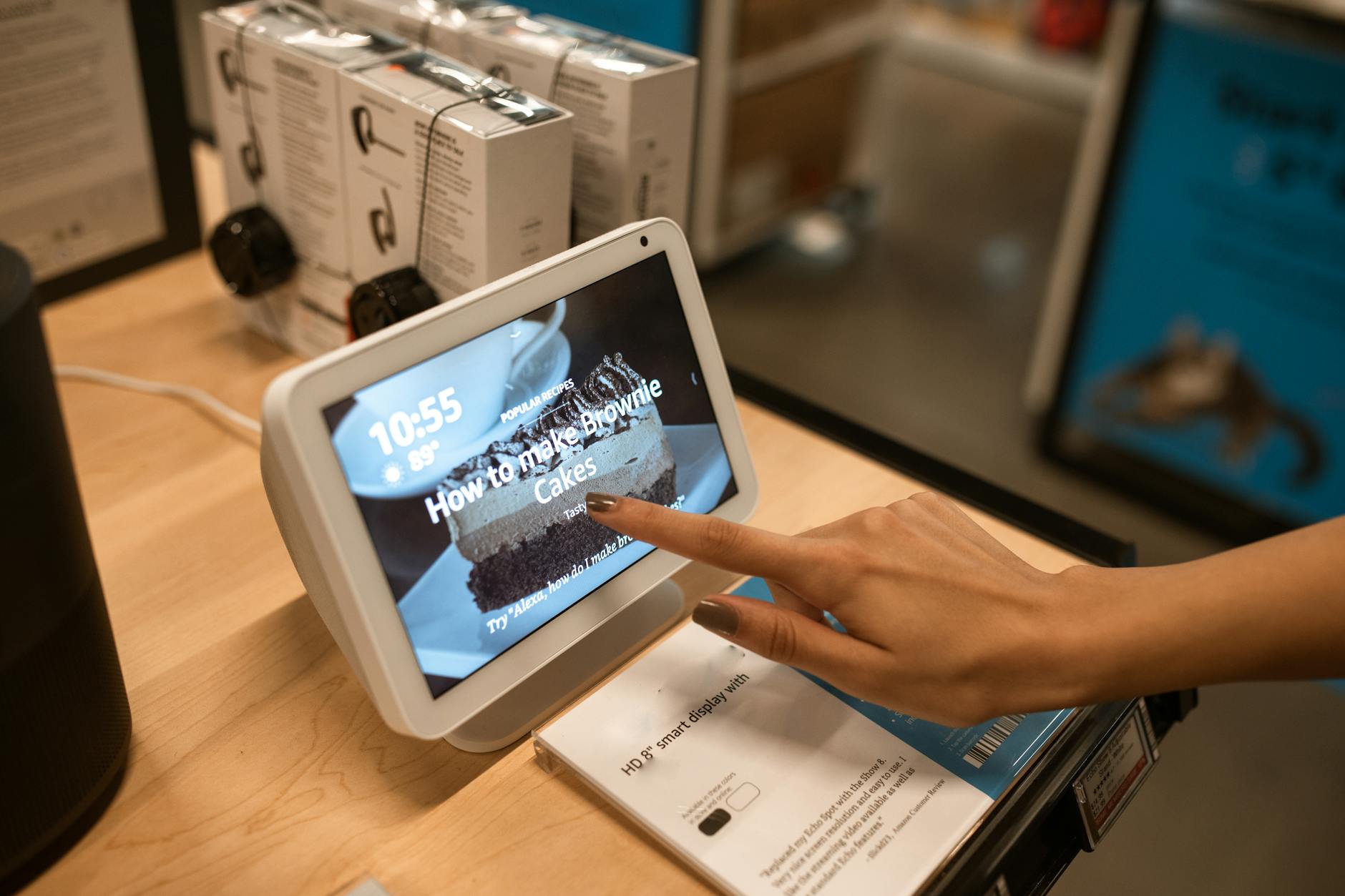
These connected screens are moving beyond simple photo slideshows to become central hubs for family communication, entertainment, and home automation. Major tech companies are betting big on this shift, with Google’s Nest Hub, Amazon’s Echo Show, and Facebook’s Portal leading the charge into living rooms everywhere.
Always-On Connectivity Changes Everything
The fundamental difference between smart displays and traditional frames lies in their internet connectivity. While conventional frames require manual updates with new photos, smart displays automatically sync with cloud storage services like Google Photos, iCloud, and Amazon Photos.
This constant connection means family photos appear instantly across all devices. Parents traveling for work can upload pictures that immediately show up on the kitchen display, keeping distant family members connected to daily moments. Grandparents living across the country see new photos of grandchildren without waiting for holiday visits or email attachments.
Smart displays also curate content intelligently. They can recognize faces, filter out blurry shots, and even highlight photos from specific time periods or events. Google’s Nest Hub uses machine learning to surface “rediscovered” photos from years past, creating surprise moments that static frames simply cannot provide.
The sharing capabilities extend beyond family circles. Multiple users can contribute to the same display, making them popular for offices, vacation rentals, and community spaces where various people want to share memories or information.
Interactive Features Transform Home Management
Smart home displays serve multiple functions that traditional frames never could. They integrate with voice assistants, allowing users to control smart lights, thermostats, and security systems with simple voice commands or touch gestures.
These devices display real-time information like weather forecasts, calendar appointments, and traffic updates alongside family photos. During morning routines, they can show the day’s schedule while cycling through recent memories, making them genuinely useful rather than purely decorative.
Video calling capabilities have become increasingly important, especially as remote work and distant family connections became priorities. Smart displays offer hands-free video calls with larger screens than phones, making them natural communication hubs for kitchens and living rooms.
The integration with streaming services means these displays can also function as entertainment centers for cooking shows, news updates, or background music. This versatility justifies their higher price point compared to traditional frames, as they replace multiple devices rather than just upgrading one.

Design Evolution Matches Home Aesthetics
Early smart displays looked distinctly tech-heavy, with thick bezels and obvious camera bumps that clashed with home decor. Recent generations have embraced more refined designs that blend seamlessly with modern interiors.
Amazon’s latest Echo Show models feature fabric finishes and adjustable stands that mimic high-end picture frames. Google’s Nest Hub uses edge-to-edge displays with minimal bezels, creating a more seamless viewing experience. Some models now offer customizable frames and mounts that let users match their existing decor.
The screen quality has improved dramatically, with many displays now offering full HD resolution and color accuracy that rivals premium digital photo frames. Ambient light sensors adjust brightness automatically, ensuring photos look natural in any lighting condition without the glare issues that plagued earlier models.
Battery-powered options are emerging for users who want the flexibility of traditional frames without permanent mounting. These portable smart displays can move from room to room while maintaining their connected features, appealing to renters and frequent redecorators.
Privacy Concerns and Market Adoption
Despite their convenience, smart displays face resistance from privacy-conscious consumers worried about always-listening devices and camera-equipped screens in private spaces. Companies have responded with physical camera covers, mute buttons, and local processing options that don’t require cloud connectivity.
The market has responded positively overall, with smart display sales growing consistently year over year. Younger families, especially those already invested in smart home ecosystems, are adopting these devices rapidly. The integration with existing services like Google Photos and Amazon Prime Photos removes friction for users already storing photos in the cloud.
Price remains a consideration, as smart displays typically cost 3-5 times more than traditional digital frames. However, their multi-function capabilities and automatic updating features are winning over consumers who value convenience and connectivity.
The ecosystem lock-in effect is real – families using Google services gravitate toward Nest Hubs, while Amazon Prime subscribers often choose Echo Shows. This brand loyalty is driving continued feature development and competitive pricing as companies fight for living room real estate.

Looking ahead, smart displays are positioned to become as common as traditional picture frames once were. As wearable devices add more standalone features, the connected home ecosystem becomes increasingly seamless. Artificial intelligence will make these displays even smarter, automatically creating photo albums, recognizing special occasions, and suggesting meaningful content without user input.
The shift from static to dynamic memory display represents more than just technological advancement – it reflects how modern families create, share, and experience their most important moments in an increasingly connected world.
Frequently Asked Questions
How do smart displays differ from digital picture frames?
Smart displays connect to the internet, sync automatically with cloud photos, and offer interactive features like voice control and video calling.
Are smart home displays worth the higher cost?
They replace multiple devices by combining photo display, home control, communication, and entertainment features in one device.