


Burke Steps Outside the Book Tour Playbook
Caro Claire Burke, whose novel Yesteryear has held the attention of literary circles through much of 2026, spent part of her Tuesday afternoon doing something most authors reserve their platform for exclusively: talking about someone else’s work. Not a debut she blurbed, not a friend’s story collection – a documentary about mass civilian death in Gaza, made by Israeli filmmakers currently facing threats to their own citizenship for making it.
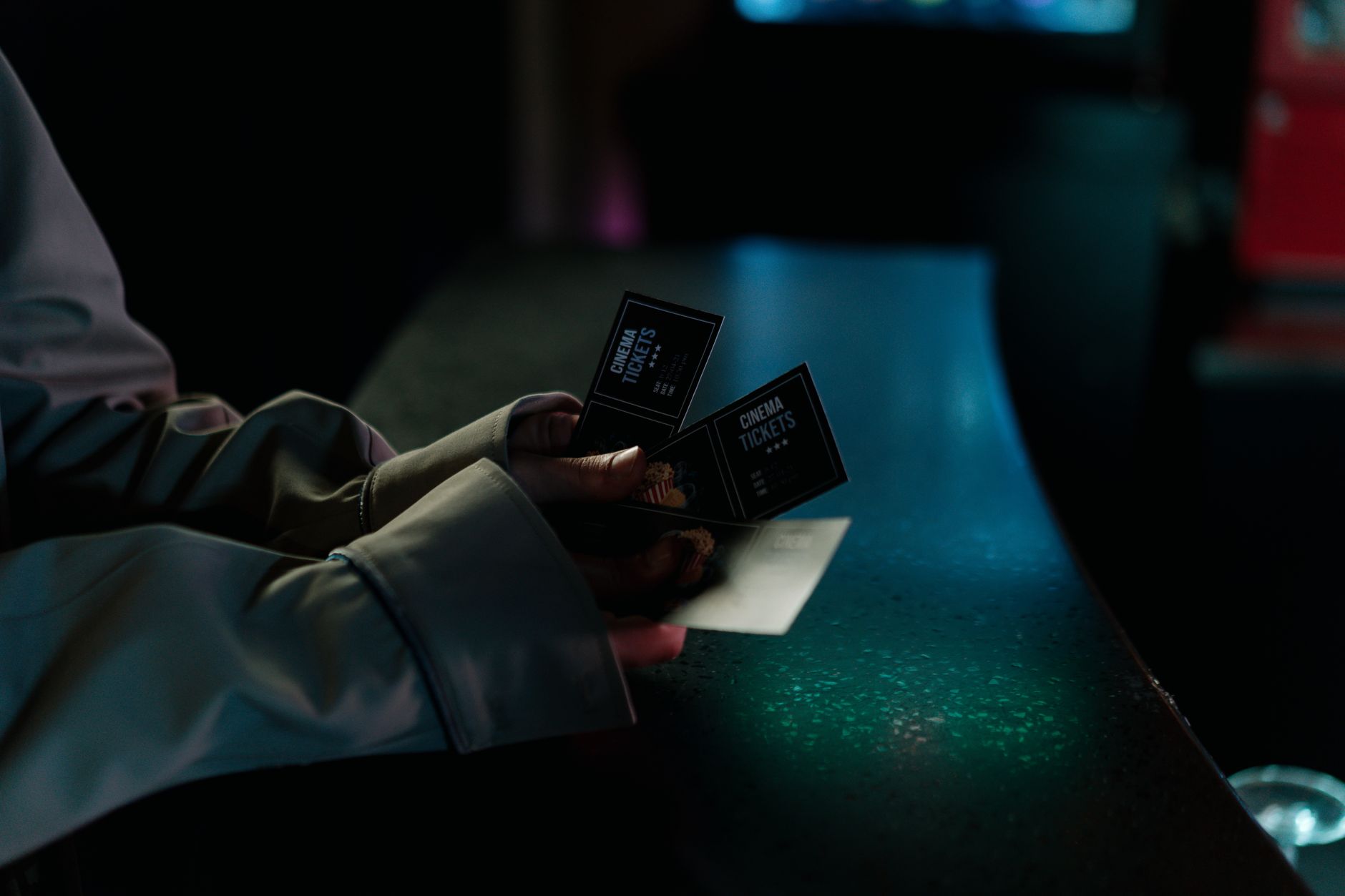
The film is NAZA. And Burke did not just post about it. She bought tickets – all remaining seats at the daily 1:00 PM screening during its opening week, September 30 through October 6, at IFC Center in Greenwich Village, New York – and is giving them away, free, first come first served, to anyone who shows up.
What NAZA Actually Is
The title is not a name. NAZA is a military acronym used by Israeli intelligence to estimate civilian casualties expected from an airstrike – a bureaucratic shorthand, the film argues, for something far less clinical than the language suggests. The documentary was reported by The Guardian as exposing “the systems behind Israel’s calculated mass killing of Palestinian civilians in Gaza,” drawing on hard-won interviews with endangered sources and original reporting from independent outlets including +972 and The Guardian itself.
The filmmakers are Yuval Abraham and Rachel Szor, both Israeli. Their previous collaboration – No Other Land, produced alongside Jonathan Glazer – won the Academy Award in 2024. Glazer is again a producer on NAZA. The earlier film made its own waves on the festival circuit before awards attention pushed it into wider conversation; this one appears to be following a similar arc, currently collecting recognition at the New York Film Festival ahead of a broader fall release.
The path to that release has not been smooth. Abraham and Szor have faced a protest movement significant enough that their citizenship has reportedly been threatened – a detail Burke’s Instagram post did not shy away from. The filmmakers made the film anyway. IFC Center will screen it in October.
How the Giveaway Works
The logistics are straightforward. Anyone in New York can join the line at IFC Center any time after 11:00 AM during opening week. Starting at 12:30 PM each day, the box office distributes tickets for that afternoon’s 1:00 PM showing on a first-come, first-served basis, until the day’s allocation runs out. The limit is two tickets per person.
Burke noted on Instagram that she is “seeing what I can do in other cities as well,” though for now the giveaway is limited to the New York run. Whether that expands before October 6 depends, presumably, on logistics she is still working through.
Why Burke Says She Did It
Her explanation was brief and direct. “If the purpose of art is to expand consciousness, and to challenge systems of power and oppression,” she wrote, “then it could be argued that this is the most important work of art to come out this year.” She was not hedging with that phrasing so much as framing – giving her followers the argument and leaving the conclusion with them.
Burke’s public persona carries an interesting friction here. She has been described, at various points and with varying degrees of affection, as the literary internet’s defining “tradwife” figure – a characterization that sits at some distance from the politics embedded in amplifying a film about Palestinian civilian casualties made by Israelis willing to risk their legal standing at home. That gap between perceived identity and actual public action is worth sitting with, not resolving too quickly.
What she is doing with her platform is less common than it should be among authors with her reach. Yesteryear made Burke the most-discussed novelist of 2026, and that attention brings weight. Spending some of that weight on a documentary – rather than a book, rather than her own forthcoming project – is a deliberate choice about what a literary platform is actually for.
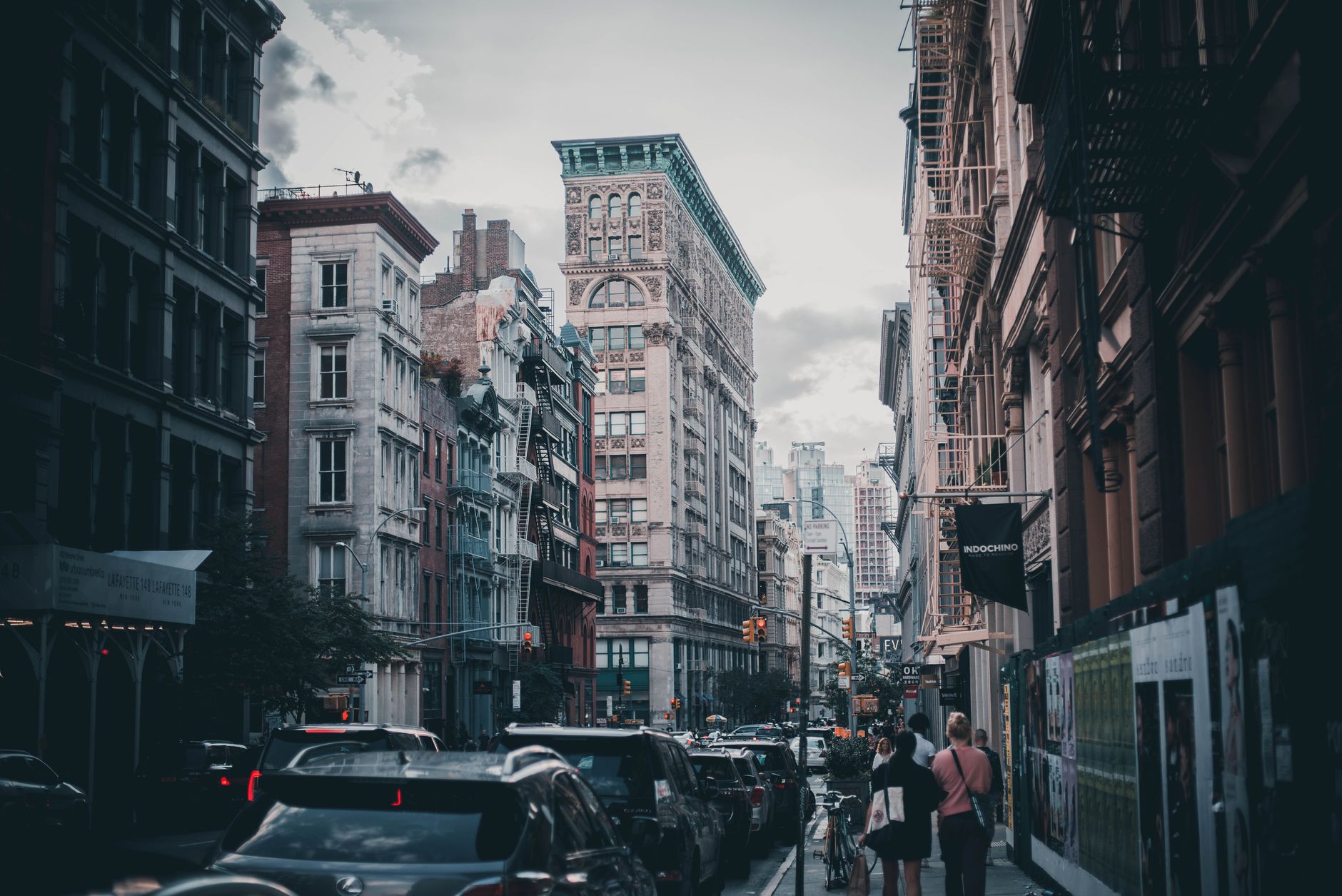
The free tickets exist. The film is playing. The filmmakers are Israeli, the subject is Gaza, the producer won an Oscar for a previous film on the same territory, and Caro Claire Burke has covered the cost for a week’s worth of afternoon screenings at a single Greenwich Village theater – which raises the question of what happens when those tickets run out and the film moves on to cities where no novelist has made the same call.