



The Asteroid That Killed Dinosaurs Also Built Something
Sixty-six million years ago, the Chicxulub asteroid hit what is now the Yucatan Peninsula with enough force to end the reign of non-avian dinosaurs and collapse ecosystems across the planet. Tsunamis spread outward. Superheated debris rained down globally. The extinction event is well documented. What gets far less attention is what the impact quietly built beneath the seafloor once the initial violence was over.
Researchers drilling into the crater in 2016 pulled up rock samples from the impact zone and found evidence of something that had been running for an extraordinary stretch of geological time: a hydrothermal system that persisted for 8 million years, fed entirely by heat generated during the collision itself.
What the Rock Samples Actually Showed
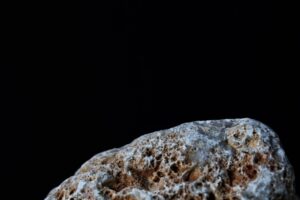
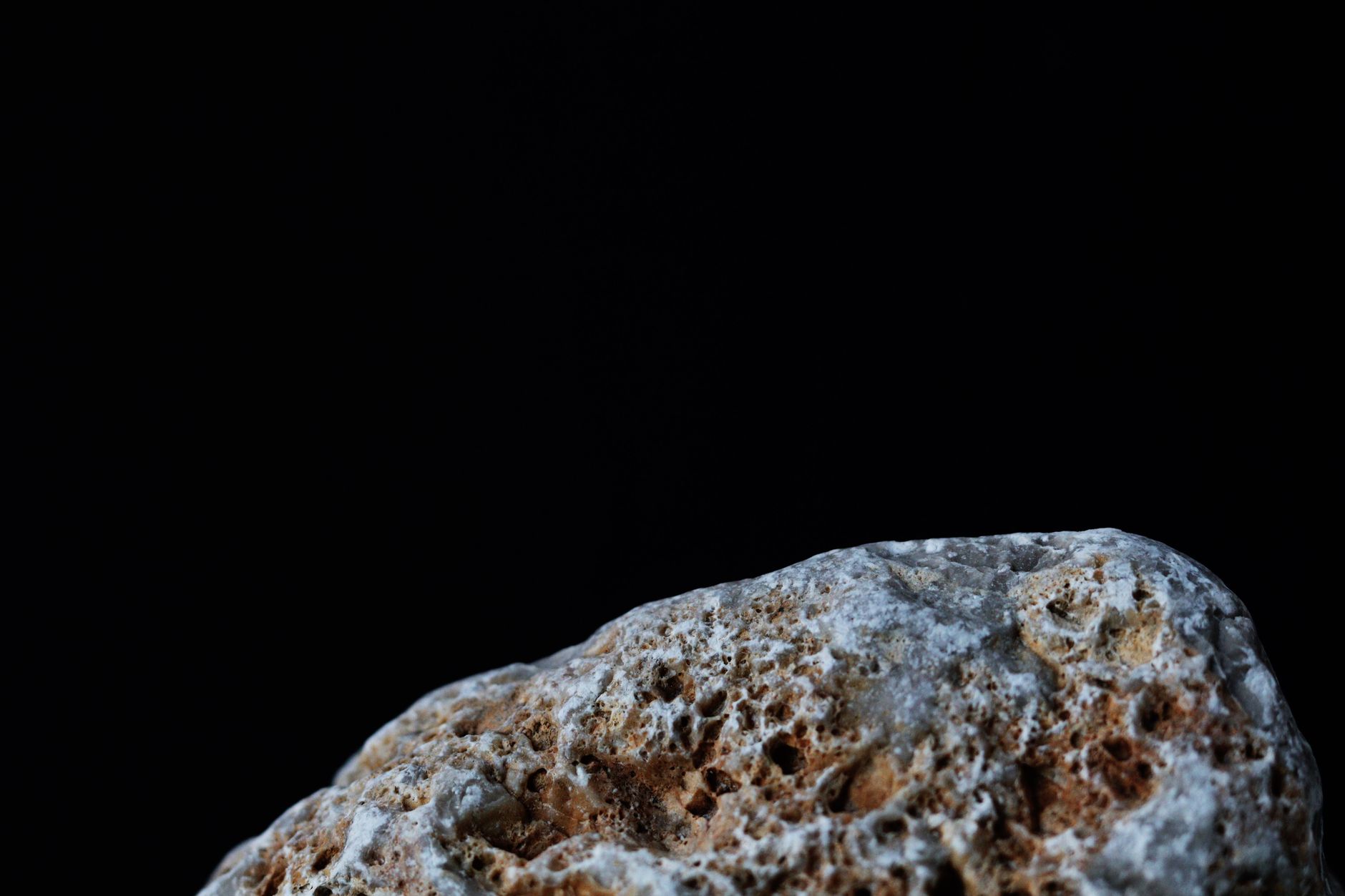
The 2016 drilling operation targeted the submerged portion of the Chicxulub crater, which sits partially beneath the Gulf of Mexico. The samples gave researchers their clearest look yet at what the impact did to the geology beneath the strike zone – not just at the surface, but far underground. Deformation from the collision extended 35 kilometers down, nearly 22 miles beneath the surface, and the force was sufficient to melt an immense volume of rock at those depths.
When seawater eventually reached that melted, fractured rock, it found something useful: porosity. The rock had been broken and restructured by the impact in ways that made it permeable. Hot water seeped into those pores. The physics that followed are the same ones driving geothermal energy on Earth today – heat from below, water as the medium, a system that sustains itself as long as the temperature differential holds.
Eight Million Years Is a Long Time for Anything to Keep Running
The hydrothermal system that formed at the base of the Chicxulub crater was not a brief geological footnote. Eight million years is longer than the entire span of human evolution from Australopithecus to modern Homo sapiens. Whatever was happening chemically and biologically at the bottom of that impact zone had an enormous window in which to develop.
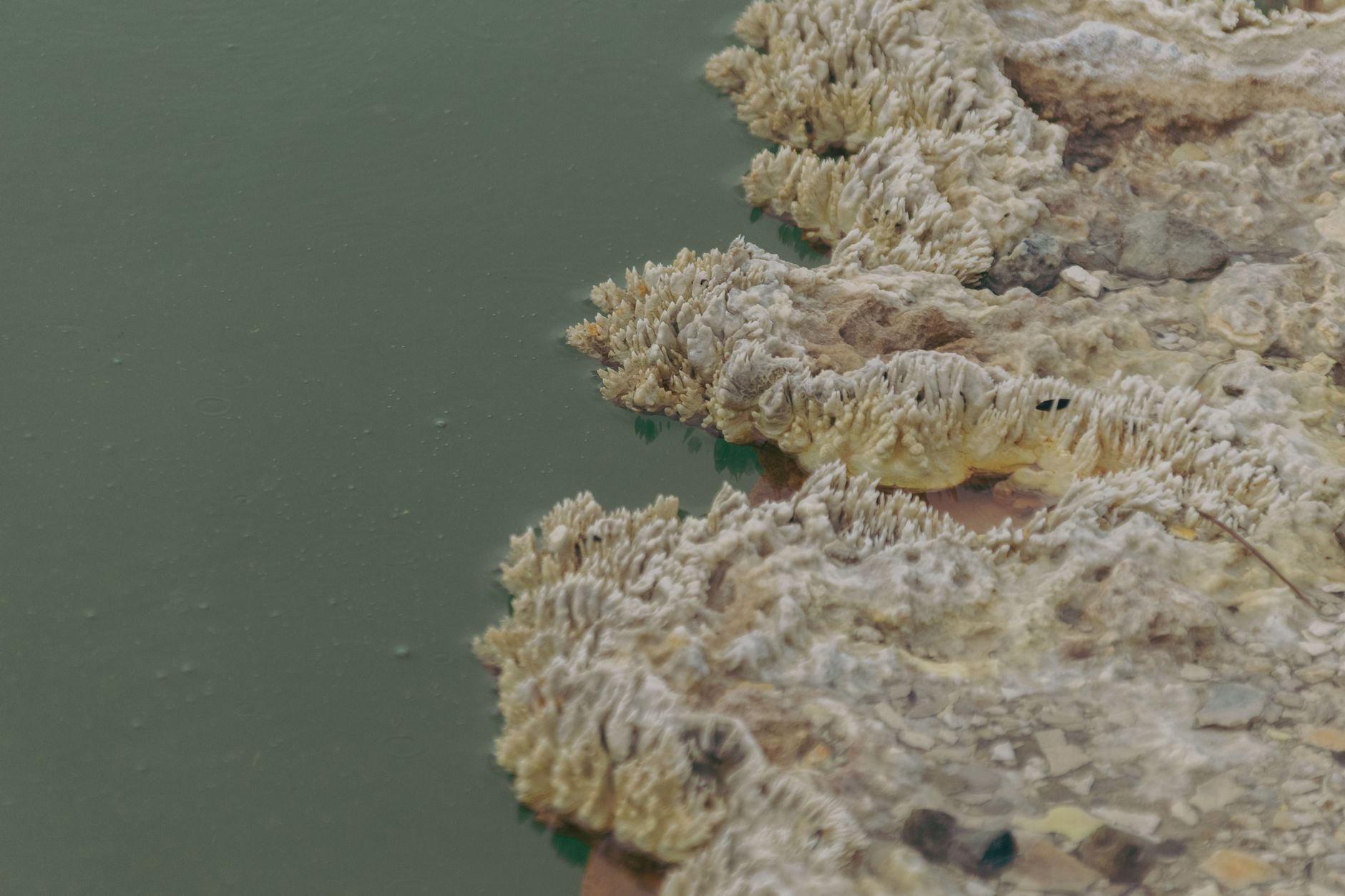
The environment at the crater floor would have been extreme by any surface standard. The surrounding deep ocean was freezing. The impact zone, by contrast, was venting hot water into an otherwise cold and isolated region of the seafloor. That temperature and chemical contrast – hot, mineral-rich water meeting cold ocean – is precisely the type of gradient that microorganisms exploit. Hydrothermal vents in the modern ocean are among the most biologically dense environments on the planet, supporting entire ecosystems that have never seen sunlight.
The Chicxulub system may have functioned similarly. The hot water gushing through porous impact rock and into the freezing depths could have attracted microorganisms that were otherwise struggling in the post-impact world above. The asteroid had wiped out an enormous fraction of life at the surface. Below the seafloor, in the heated wreckage of the impact itself, conditions for survival may have been, counterintuitively, better.
That framing matters. The crater is not just a record of destruction. It is also a record of what happens when massive energy input rearranges geology in ways that chemistry and biology can use. The same event that ended one chapter of life on Earth may have sustained a different chapter, one that ran quietly for 8 million years with no surface-level evidence at all.
Why This Connects to the Search for Life Elsewhere
The implications extend past Earth’s own history. Hydrothermal systems driven by impact events – rather than by volcanic activity or tectonic plate movement – are now a serious consideration in astrobiology. Moons like Europa and Enceladus have subsurface oceans and evidence of geological activity. If an impact crater on a water-bearing world can sustain a hydrothermal system for 8 million years, the list of environments worth examining for past or present life gets longer.
The Chicxulub data gives researchers a concrete, measurable example to work from: a specific impact size, a specific depth of deformation at 35 kilometers, a specific duration of 8 million years. Those numbers become calibration points for modeling what similar impacts might have produced on other bodies in the solar system.
The Crater as an Ongoing Data Source
The 2016 drilling mission produced samples that researchers are still working through, and each round of analysis tends to add a new layer to what the impact left behind. The crater’s structure – partially on land in the Yucatan, partially submerged – makes it accessible in ways that purely oceanic impact sites are not. That accessibility has made Chicxulub the most studied impact crater on Earth, and the hydrothermal finding is among the more striking results to come out of that sustained attention.
What the crater contained at the surface killed nearly everything. What it generated 35 kilometers down may have done the opposite. The asteroid arrived as a catastrophe, but the geological machinery it set in motion beneath the seafloor kept running for 8 million years after the dust settled – long after the dinosaurs were gone, long after the first recovery of surface ecosystems, and long into a stretch of Earth’s history that most people have never thought to ask about.
The deeper question is whether the life that may have gathered around that hydrothermal system left any detectable trace in the rock samples already pulled from the crater floor – and whether the answer is already sitting in a sample container somewhere, waiting to be identified.