



A Startup Gets Ten Months to Save Half a Billion Dollars
Ten months. That was the window NASA gave three companies last August to propose something no one had attempted before – building, testing, and launching a satellite capable of chasing down a failing space telescope and physically dragging it back to a safe orbit. The telescope in question, Swift, carries a $500 million price tag and was sliding toward an uncontrolled reentry. The agency needed a fix fast, on a budget, and with hardware that didn’t yet exist.
Katalyst Space Technologies, a startup founded in 2020, won that contract. In September of last year, NASA handed the company $30 million and a mandate most aerospace veterans would consider borderline unrealistic. The resulting spacecraft, called Link, is now the centerpiece of one of the more technically audacious rescue attempts in recent orbital history.

What Link Actually Has to Do
The mechanics of the mission are worth slowing down on. Link isn’t just going to nudge Swift – it has to chase the telescope down, match its velocity and orientation in orbit, and then attach itself using three robotic arms. That last part is the piece that makes engineers nervous. Autonomous rendezvous and docking with an uncooperative, non-designed-for-servicing spacecraft has no real operational precedent. Swift was never built with grab handles or docking ports. Link is essentially trying to grip a large, spinning science instrument from the outside.
Once attached, Link will fire its thrusters to push Swift’s orbit back up to a safe operating altitude. The goal isn’t just to stop the decay – it’s to restore Swift to a condition where it can resume actual astronomical observations. The telescope, which studies gamma-ray bursts and has been operating since 2004, still produces usable science data. That’s the underlying argument for spending $30 million on a rescue rather than accepting the loss.
Shawn Domagal-Goldman, director of NASA’s astrophysics division, described Katalyst’s winning pitch as “technically and programmatically plausible” – which, in the context of a ten-month development timeline, is about as enthusiastic as program managers tend to get. The fact that NASA moved from asking the question in August to awarding a contract in September suggests the agency concluded quickly that waiting for a more conventional procurement process wasn’t an option.
Katalyst’s Position in the Servicing Market
Orbital servicing – the broad category covering refueling, repositioning, and repairing satellites already in space – has attracted serious investment over the past decade. Northrop Grumman’s Mission Extension Vehicle has successfully docked with commercial geostationary satellites. But those missions involved cooperative spacecraft built with compatible docking hardware. Katalyst is operating in harder territory, with a spacecraft that has to solve the attachment problem from scratch and do it on a compressed schedule.
The $30 million figure is striking in context. Commercial satellite servicing missions routinely run into the hundreds of millions. Katalyst is attempting a technically comparable operation – arguably more difficult, given Swift’s lack of designed-in servicing interfaces – at a fraction of that cost. Either the company has found a genuinely efficient approach, or the budget reflects a level of accepted risk that a commercial operator wouldn’t tolerate.
The Hardware Behind the Deadline
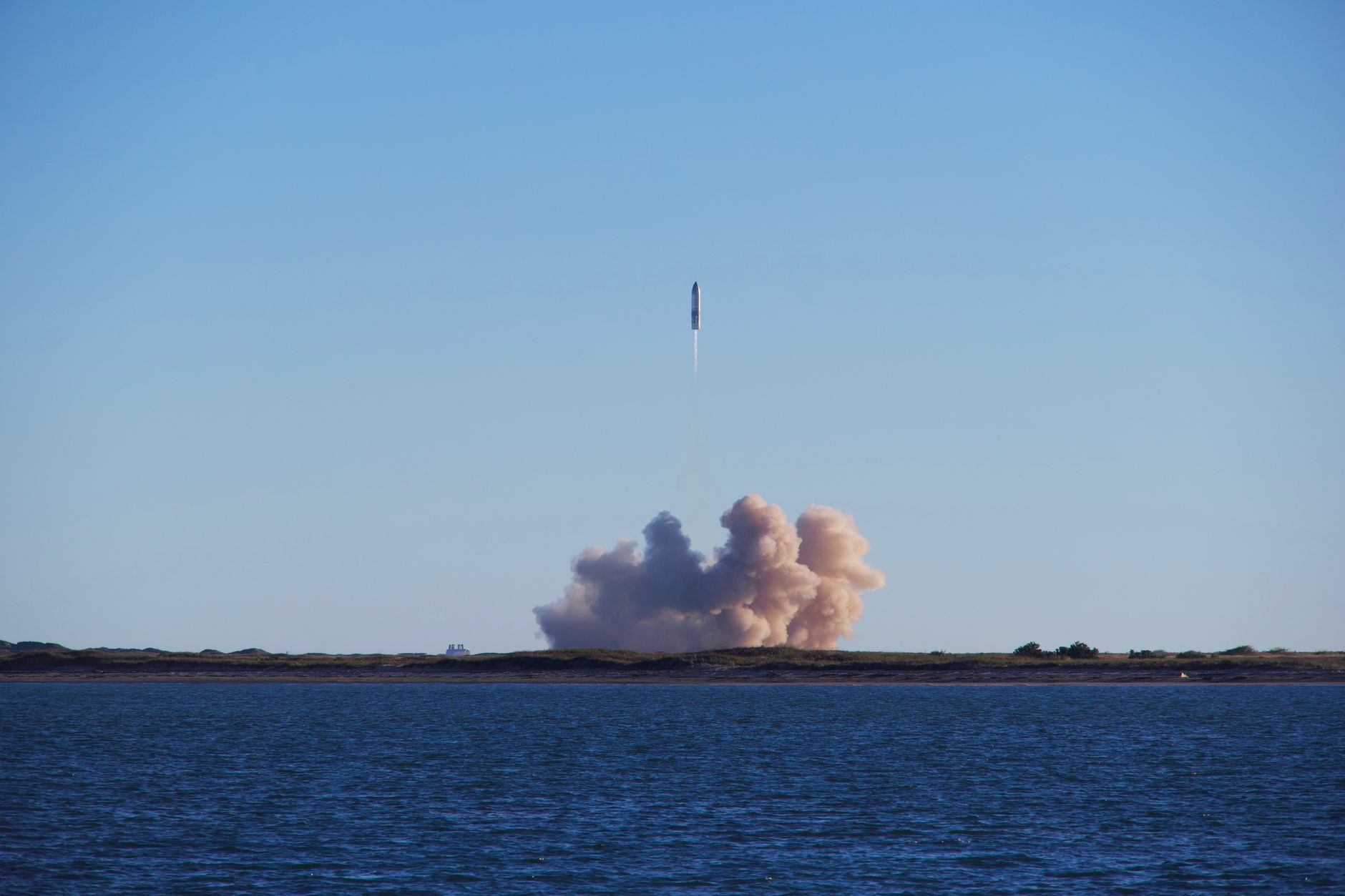
Building a functional spacecraft in under a year requires decisions that longer programs avoid. Component choices get constrained by what’s already available rather than what’s optimal. Testing timelines get compressed. Margins get thinner. Katalyst’s Link spacecraft was designed and assembled under exactly those conditions, with a development clock that started running the moment the contract was signed last September and ends at launch from Wallops Island, Virginia.
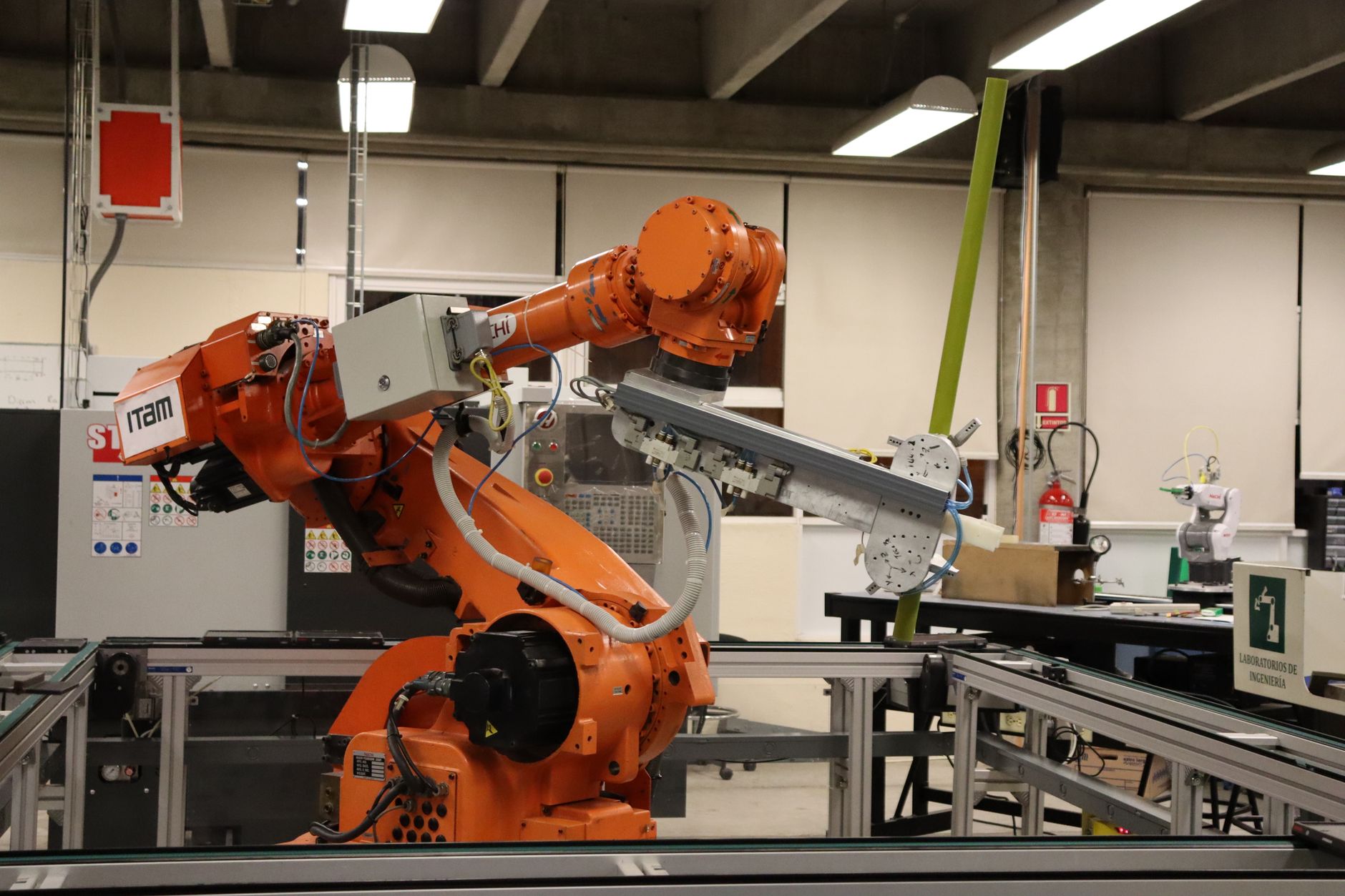
The three robotic arms are the most novel element of the hardware. Designing an end-effector – the gripping mechanism at the end of a robotic arm – that can clamp onto an exterior surface of a satellite not designed to be clamped requires both precision engineering and a tolerance for the unexpected. Swift’s exterior geometry may look clean in CAD models, but real spacecraft have thermal blankets, antenna booms, and sensor apertures that complicate any physical contact scenario.
The mission is also operating under a hard physics deadline. Swift’s orbit has been decaying, and that decay accelerates as the spacecraft descends into denser atmosphere. Every month Link doesn’t launch is a month Swift loses more altitude, making the eventual rendezvous and reboost harder and requiring more delta-v from Link’s propulsion system. The launch site at Wallops Island in Virginia was chosen for orbital mechanics reasons, giving Link the right inclination to intercept Swift without wasting fuel on a plane-change maneuver.
Whether three robotic arms, a $30 million budget, and a startup founded five years ago are sufficient to pull this off remains genuinely open. The orbital servicing industry has watched this contract with obvious interest – if Link works, it establishes a template for rapid-response satellite rescue that changes the economics of insuring and operating expensive science missions. If it doesn’t, Swift’s $500 million worth of optics and detectors eventually becomes a reentry event over the Pacific.
The arms haven’t gripped anything yet.