


The Spin-Off That Didn’t Wait
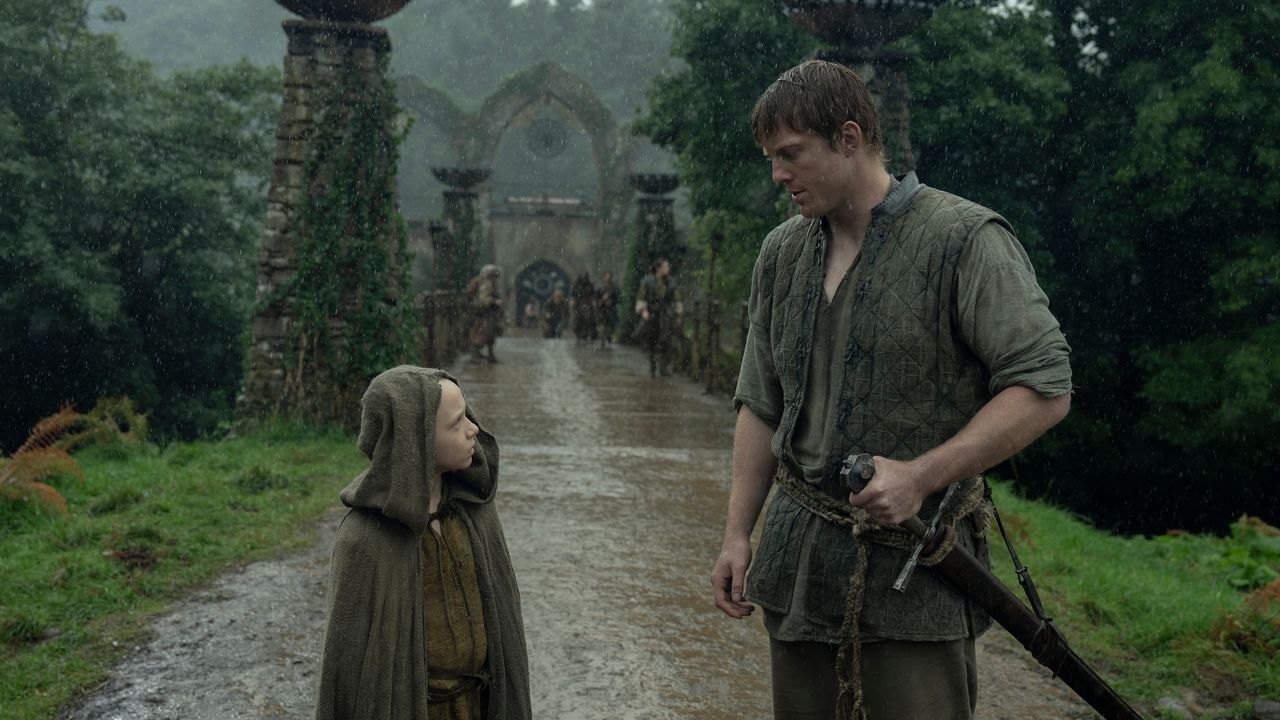
While most streaming series spend years in limbo between seasons – renewal announcements dragging into production delays dragging into quiet cancellations – A Knight of the Seven Kingdoms is moving at a pace that feels almost defiant. The Game of Thrones spin-off is already in production on its second season, bucking the slow-burn rhythms that have come to define how prestige television operates in 2025.
The show’s popularity has clearly earned it some institutional momentum at HBO, and the decision to keep cameras rolling rather than pause and reassess is a signal that the network sees this particular corner of Westeros as something worth protecting. Season 2 is not just greenlit – it’s happening now.
What Season 2 Is Shaping Up to Be
According to what’s known so far, the second season is set to go political. That’s a meaningful turn for a show whose first season leaned heavily into the wandering-knight dynamic – the road, the jousts, the quiet chivalric melancholy that made George R.R. Martin’s source novellas so distinct from the main Game of Thrones sprawl. Politics, in the Westerosi sense, means court intrigue, competing claims, and the kind of slow-building betrayal that the franchise built its entire reputation on.
The series is based on Martin’s Tales of Dunk and Egg – a set of novellas following Ser Duncan the Tall and his young squire Egg, set roughly a century before the events of Game of Thrones. That timeline places the story in a Westeros that’s recognizable but not yet scarred by the wars viewers already know. Season 2 pulling toward political territory suggests the writers are ready to start drawing those threads tighter – to show how the world began its long slide toward the catastrophes that define the parent series.
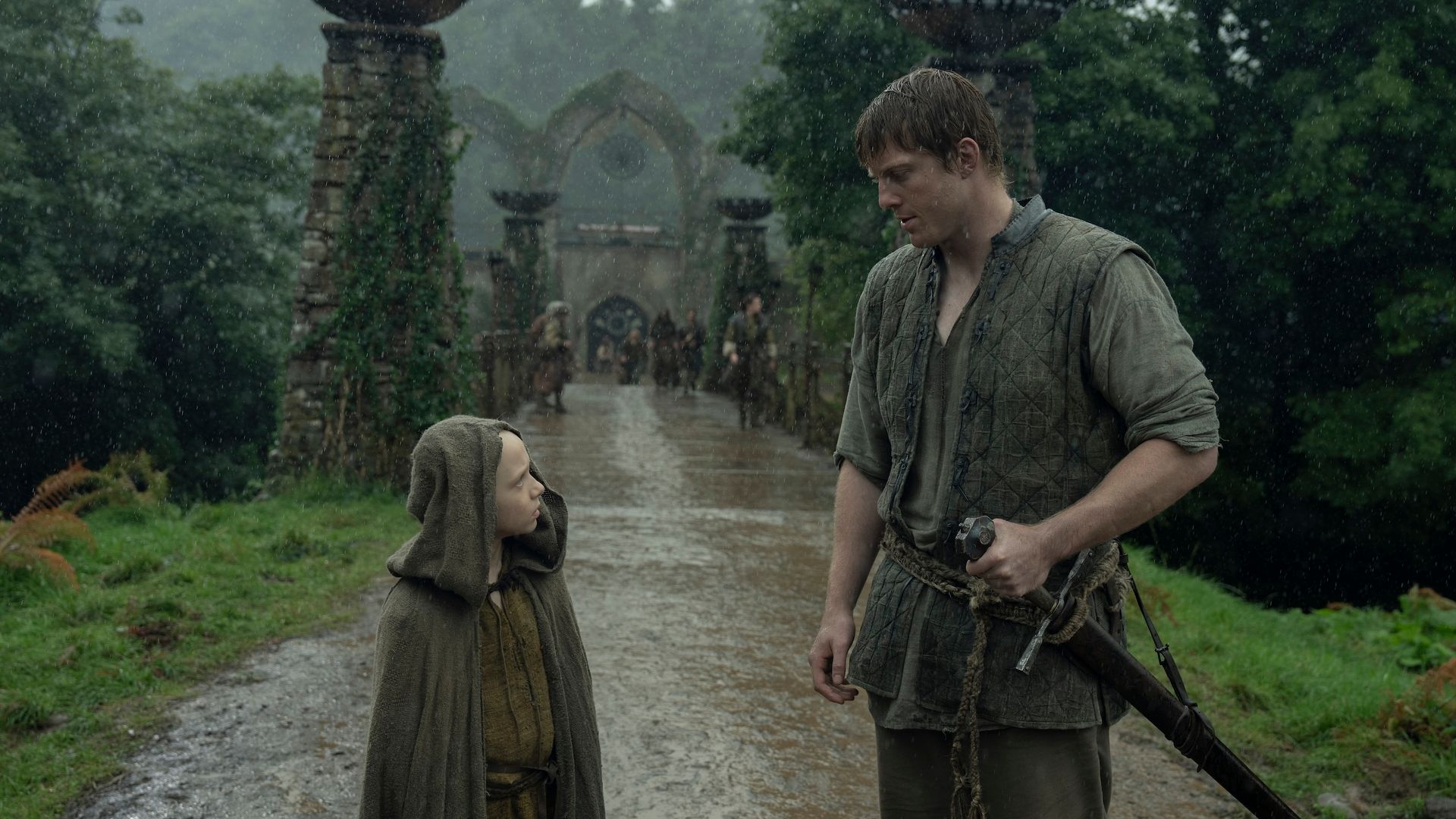
The political dimension also raises the stakes for the show’s central relationship. Dunk and Egg work precisely because the power imbalance between them is complicated – a hedge knight of common birth traveling with a boy who is, unbeknownst to most, a prince of House Targaryen. The moment court politics enters the picture, that imbalance stops being background texture and becomes the entire dramatic engine. Who knows what Egg is. Who wants to use him. Who wants him gone.
That’s a different kind of tension than the first season was built around, and whether the show can carry it without losing the intimate, almost fable-like quality that distinguished it from other franchise television is the real question hanging over production right now.
Streaming’s Odd One Out
The speed of this renewal matters beyond just fan enthusiasm. Streaming platforms have spent the last two years pulling back – canceling shows after single seasons, stretching renewals out long enough that cast members age noticeably between episodes, treating even successful series as provisional bets rather than ongoing commitments. A Knight of the Seven Kingdoms going straight into Season 2 production is a counter-signal, a sign that HBO is treating this one differently.
HBO has a particular interest in keeping the Game of Thrones universe alive and varied. House of the Dragon proved that the franchise could survive without its original cast, but it also demonstrated how quickly audience goodwill can fracture when a show feels like it’s rushing. A Knight of the Seven Kingdoms carved out a smaller, quieter identity – and the decision to keep it moving fast, rather than letting that identity solidify further before returning, is either confidence or impatience. Possibly both.
What Gets Lost and What Gets Found in a Second Season
First seasons of spin-offs carry a particular kind of freedom. Nobody knows yet what the show is supposed to be, which means the writers can take risks that become harder once an audience has formed expectations. A Knight of the Seven Kingdoms used that freedom well – the show developed a tone that sat apart from the franchise’s more operatic tendencies.
Second seasons are where that tone either holds or gets consumed by the demands of ongoing serialized drama. Political storylines, by their nature, require more characters, more allegiances to track, more scenes in rooms where people talk carefully around what they actually mean. That’s fine – it’s also what Game of Thrones did best in its prime. But it requires a different kind of discipline than a road story does.
The production is shooting now, which means the shape of Season 2 is already being locked in – performances captured, choices made, scenes that will define how audiences remember this particular chapter of Westeros written into the record. When it airs, the conversation will shift from speculation to reaction. Right now, somewhere on a set, Ser Duncan the Tall is walking into a room full of people who want something from his squire, and nobody’s decided yet exactly how that ends.