





The Man With a Schedule for Everything
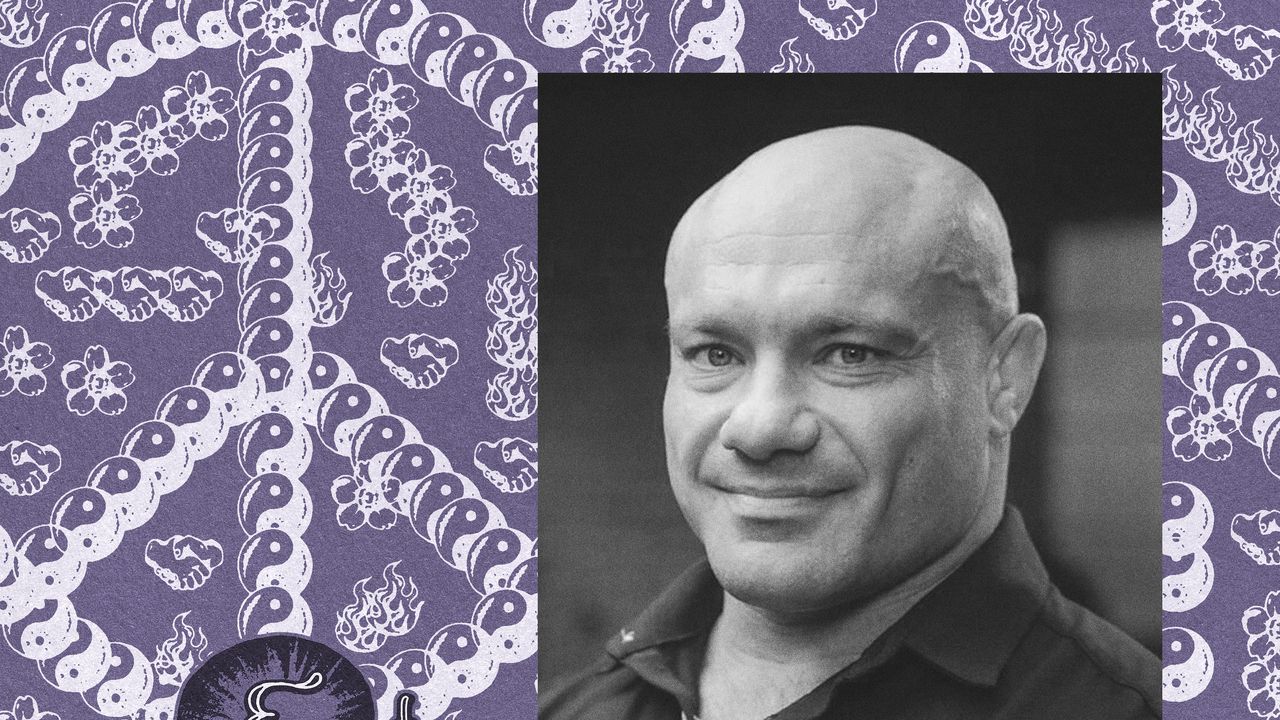
Sports physiologist, fitness influencer, and author of The Aesthetic Revolution Mike Israetel doesn’t leave much to chance – not his lifts, not his recovery, and not even his doomscrolling.
Building a Day That Actually Works
Most people treat exercise as something they’ll get to eventually – after the emails, after the errands, after whatever crisis arrived at 9 a.m. Israetel doesn’t operate that way. His approach assigns time blocks to work, training, and rest with the same deliberateness most people reserve for meetings they can’t cancel. The result isn’t a punishing schedule; it’s a structured one.
What separates Israetel’s method from generic productivity advice is that it accounts for the things people actually do, including the low-effort, low-reward screen habits that eat into recovery time. Rather than pretending those habits don’t exist or demanding they be eliminated, he builds them into the day. There’s a window for mindless browsing. It has edges.
That philosophy extends to physical training. Israetel, who has built a significant following as both a coach and a public-facing scientist, argues that optimizing a workout isn’t only about what happens during the session. How you wind down afterward, how you manage stress in the hours before bed, and how you structure the transitions between effort and rest all shape whether the work you put in the gym actually sticks.
The five habits he outlines aren’t five separate tips. They function as a single interlocking system – adjust one, and the others shift. Pull out one piece carelessly, and the whole thing gets less effective. That’s not a warning about rigidity; it’s a description of how bodies and schedules actually interact.
What the Habits Actually Involve
The first habit is time-blocking with hard stops. Israetel doesn’t let work bleed into training time or training time bleed into recovery. Each activity gets a defined window, and the discipline is in honoring those windows even when the previous task isn’t finished. This is harder than it sounds – most people in knowledge work have been conditioned to believe that productivity means staying until the thing is done, not stopping because the clock says so.
The second habit addresses something most fitness content ignores entirely: the wind-down. Israetel treats the hour or two before sleep as functional time, not dead time. This means controlling light exposure, avoiding stimulants late in the day, and giving the nervous system a genuine off-ramp after training or work. Sleep quality directly affects muscle protein synthesis and hormonal recovery – shortchanging the wind-down doesn’t just make you tired, it reduces the return on every workout you’ve done.
Third is the scheduled doomscrolling window. Israetel doesn’t prohibit low-quality screen time – he contains it. Assigning a specific block for social media and news browsing keeps it from fragmenting the rest of the day. When scrolling is unbounded, it colonizes the transitions between tasks, which are exactly the moments the brain needs to shift modes. A twenty-minute block of guilt-free scrolling causes less damage than forty-five minutes of interrupted, anxious scrolling spread across a morning.
Fourth is training specificity – matching workout intensity and type to what the body can actually recover from given the demands of the rest of the day. A brutal leg session the night before a high-stress workday isn’t just uncomfortable; it’s counterproductive. Israetel adjusts training load based on what else is happening, treating the body as a system with finite recovery resources rather than a machine that should perform on demand regardless of context. This is where his background as a sports physiologist shows most clearly – it’s less about motivation and more about load management.
Fifth is the habit of tracking subjective recovery – how you actually feel, not just what the data says. Wearables and apps can tell you resting heart rate and sleep stages, but Israetel factors in subjective readiness: energy levels, motivation to train, mood. The numbers matter, but they’re interpreted alongside how the body reports its own state. A low readiness score on a day you feel genuinely strong might mean you push. A perfect score on a day you feel flat might mean you back off. Grip strength, as one proxy for systemic readiness, fits into this kind of real-time self-assessment.
Why Structure Reads as Style Now
There’s a reason Israetel’s content – blunt, technical, occasionally profane – resonates in a moment when aesthetic culture and fitness culture have collapsed into each other. The Aesthetic Revolution isn’t a diet book or a training manual in the traditional sense; it positions physical development as a deliberate practice with its own rigor and visual logic. The habits he describes aren’t just efficient – they’re legible as a kind of personal design, a way of organizing a life so that the outputs are visible and intentional.
That framing matters more than it might seem. Following a structured daily system used to read as obsessive or joyless. Now it reads as self-possession – knowing what you’re optimizing for and building the conditions to actually get there. Whether that’s a genuine cultural shift or just better marketing for discipline is the question Israetel’s work keeps circling without quite answering.