




Eight Years in the Making
A spacecraft that left Earth in 2018 is now close enough to Mercury that the mission’s endgame has officially begun. BepiColombo, the joint European Space Agency robotic science mission with contributions from Japan and the United States, cleared a major navigational milestone this week – the last significant checkpoint before a final orbital capture at the Solar System’s innermost planet.
The price tag on this project sits at nearly $2 billion, and the engineering logic behind the route it has taken is worth understanding before Mercury orbit even begins.
Why Getting to Mercury Is Harder Than Getting to Pluto
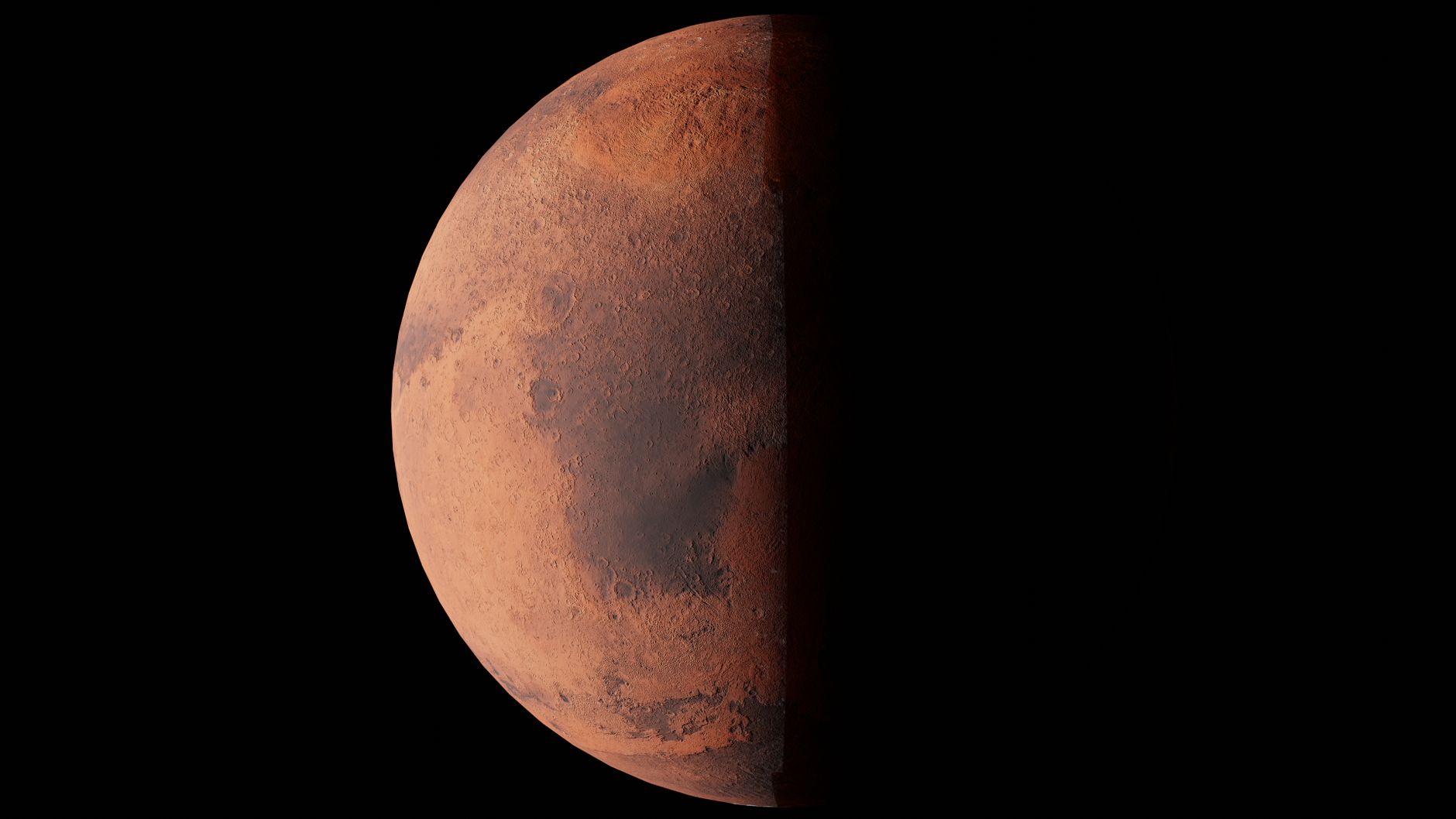
BepiColombo did not travel to Mercury in a straight line, and it could not have. The spacecraft uses plasma propulsion combined with a carefully choreographed series of gravitational flybys – one pass around Earth, two around Venus, and multiple passes around Mercury itself – to bleed off speed and reshape its trajectory. Each flyby changed the spacecraft’s velocity in small, precise increments, steering BepiColombo across years of orbital mechanics toward a very specific arrival condition.
That condition matters enormously. The spacecraft has to arrive at Mercury traveling at exactly the right speed for the planet’s own gravity to pull it into orbit rather than letting it skip away into deep space or crash into the surface. Too fast, and Mercury’s relatively weak gravity field cannot hold it. Too slow, and the geometry falls apart entirely. The entire eight-year route has been engineered around that single moment of capture, expected later this year.
Here is where the physics gets counterintuitive: reaching Mercury and slowing down enough to orbit it actually demands more energy – measured in the aerospace shorthand of delta-v, meaning the total change in velocity a spacecraft must achieve – than it took NASA’s New Horizons probe to travel all the way from Earth to Pluto. New Horizons took nearly 10 years to reach Pluto, but it was essentially falling outward away from the Sun the entire time, letting gravity assist the journey. BepiColombo is fighting inward, against the Sun’s gravitational pull, which accelerates anything moving toward it and makes braking into Mercury orbit a far more fuel-intensive problem than flying past the outer Solar System’s edge.
What BepiColombo Is Actually Carrying
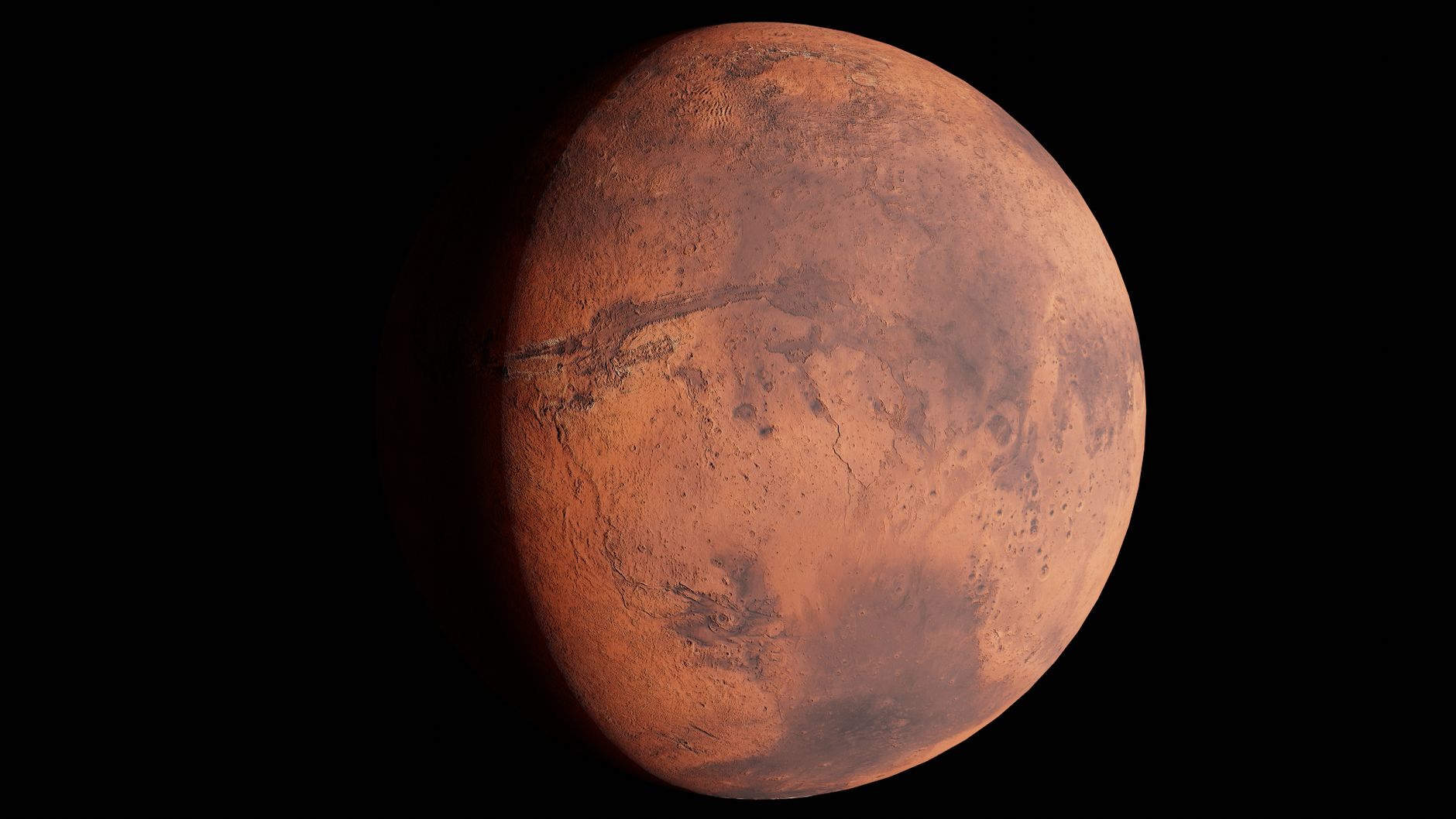
The mission structure itself is unusual. BepiColombo is not a single spacecraft in the traditional sense but a stacked configuration of modules traveling together. The European Space Agency built and operates the Mercury Planetary Orbiter, while the Japan Aerospace Exploration Agency contributed the Mercury Magnetospheric Orbiter. Once captured into Mercury orbit, the two will separate and conduct science from different orbital positions around the planet – one focused on the surface and geology, the other on the magnetic environment and its interaction with the solar wind.
Mercury is a genuinely strange world to study up close. It is dense with iron, scorching on its sunlit side, and cold enough in permanently shadowed craters that water ice survives despite the planet’s proximity to the Sun. The European Space Agency’s primary science objectives include mapping Mercury’s surface composition, studying its surprisingly active magnetic field, and understanding why such a small planet retained such a large metallic core relative to its total size – a question that touches on how the inner Solar System formed in the first place.
The Long Clock of Deep Space Hardware
For readers accustomed to hardware that iterates annually – phones, laptops, cameras – the timescales of interplanetary missions read like science fiction run in reverse. BepiColombo launched in October 2018. The scientists and engineers who designed its instruments were working from proposals developed years before that. Some of the researchers who began their careers on this mission have now spent the better part of a decade waiting for the data collection phase to actually start.
That waiting is not passive. Mission teams have used each of BepiColombo’s Mercury flybys to collect preliminary data, testing instruments and building baseline measurements of the planet’s environment ahead of the formal orbital science campaign. Six Mercury flybys over the course of the mission have already returned images and magnetic field readings, even though the spacecraft was not yet in orbit. The closest and most recent flyby brought BepiColombo low enough over the surface to capture detailed imagery of impact craters and volcanic plains.
The mission’s structure also reflects how much more difficult space exploration becomes the closer you get to the Sun. Spacecraft operating near Mercury must survive temperatures that can exceed 450 degrees Celsius on the sun-facing side while simultaneously managing the intense radiation environment of the inner Solar System. BepiColombo carries a thermal shield specifically designed to handle the heat load, a piece of engineering that has no equivalent in missions heading outward toward Jupiter or Saturn.
If orbital insertion succeeds later this year, BepiColombo will become only the second spacecraft in history to orbit Mercury, following NASA’s MESSENGER mission, which orbited the planet from 2011 to 2015. MESSENGER ran out of propellant and was deliberately crashed into Mercury’s surface when its mission ended. BepiColombo’s planned orbital science mission is scheduled to last one Earth year, with a possible extension depending on spacecraft health after arrival.
The moment Mercury’s gravity finally takes hold of BepiColombo – a spacecraft that has been falling, braking, and maneuvering for eight years to reach exactly this speed at exactly this point in space – will be either a $2 billion validation of some of the most complex orbital engineering ever attempted, or a very expensive near-miss.