


Friday Dispatches from the Lit Hub Desk
Some weeks, the things worth talking about aren’t big. At Lit Hub this week, staff happiness arrived in the form of a Korean literary database, a 15-second internet rabbit hole, and two separate people discovering that their apple trees had finally decided to cooperate.
It’s the kind of week that doesn’t ask much of you – and offers more than you expected in return.
The Database That Actually Works
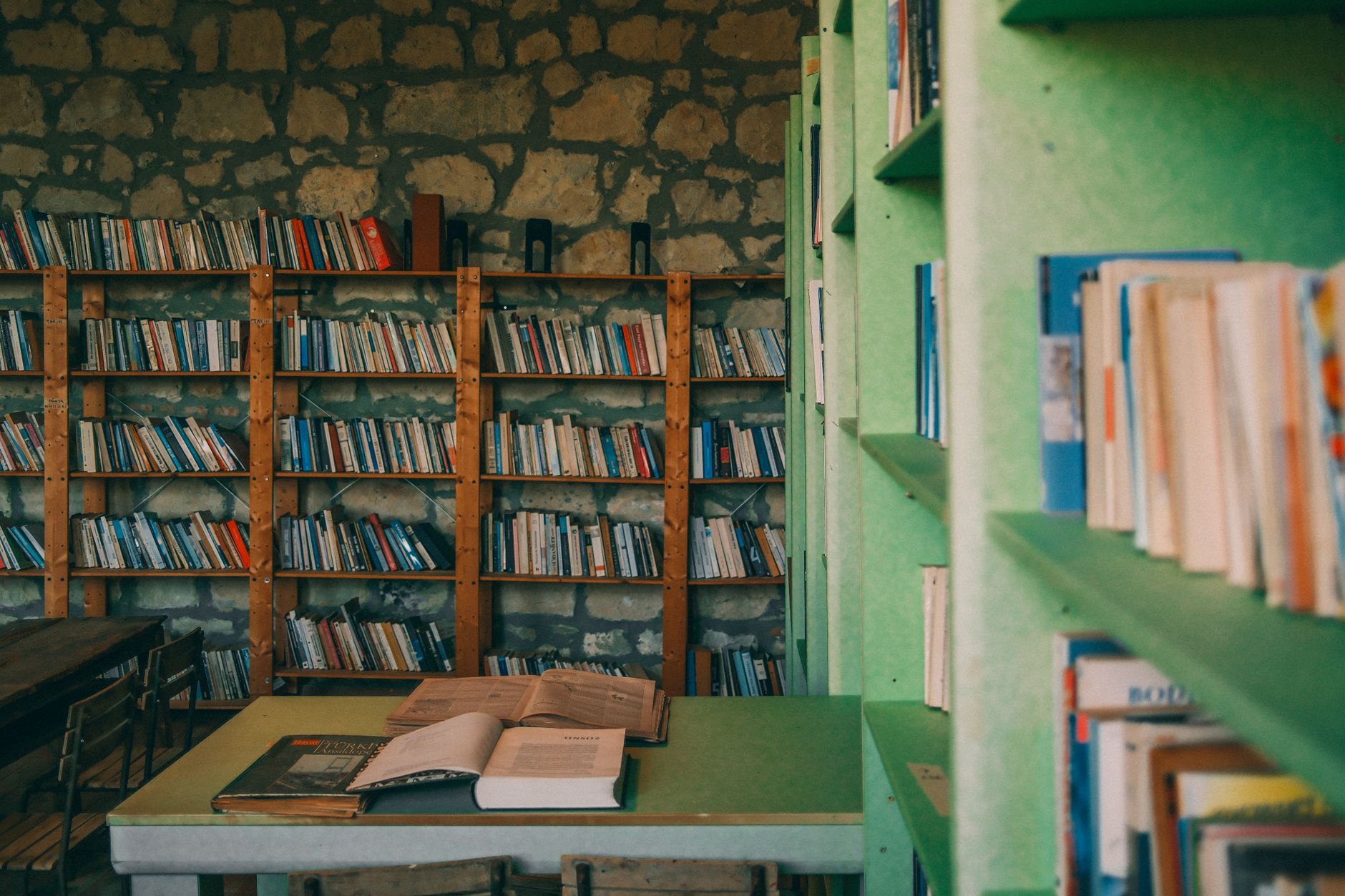
Molly Odintz landed on a resource that does something specific and does it well: the Digital Library of Korean Literature lets readers track translations by author. If you’ve been trying to map the international footprint of a writer like Han Kang – where her work has traveled, what’s been translated, what hasn’t – this is the tool that makes that possible without a research degree and three hours of patience.
Finding a database that’s elegantly structured rather than labyrinthine is genuinely rare. Most literary archives are organized for archivists, not readers. The Digital Library of Korean Literature appears to have made a different choice, which is why Odintz flagged it as something worth passing along rather than quietly bookmarking and forgetting.
For anyone following Korean fiction’s expanding global reach – Han Kang’s Nobel Prize win in 2024 pushed that interest considerably further – having a tool that maps translation history by author fills a practical gap. What gets translated, and into which languages, tells its own story about how a literary culture travels.
Fifteen Seconds of Intentional Nonsense
James Folta’s contribution this week is harder to describe without ruining it. The object of his appreciation is Ted Travelstead’s Vlog – a project Folta calls “very dumb,” with clear affection. His full recommendation: “The less I say about this series before you watch it the better,” adding that “writer and actor Ted Travelstead made something that is so perfectly silly and simple.” The entire ask is 15 seconds of your time.
There’s something worth noting about why that kind of recommendation lands differently than a detailed pitch. Folta doesn’t explain the joke, doesn’t contextualize Travelstead’s work within a broader comedic tradition, doesn’t tell you how to feel. He just points. In a media environment built around over-explanation, a 15-second “watch this, trust me” is almost an act of restraint.

Two Apple Trees and an Accidental Cider Operation
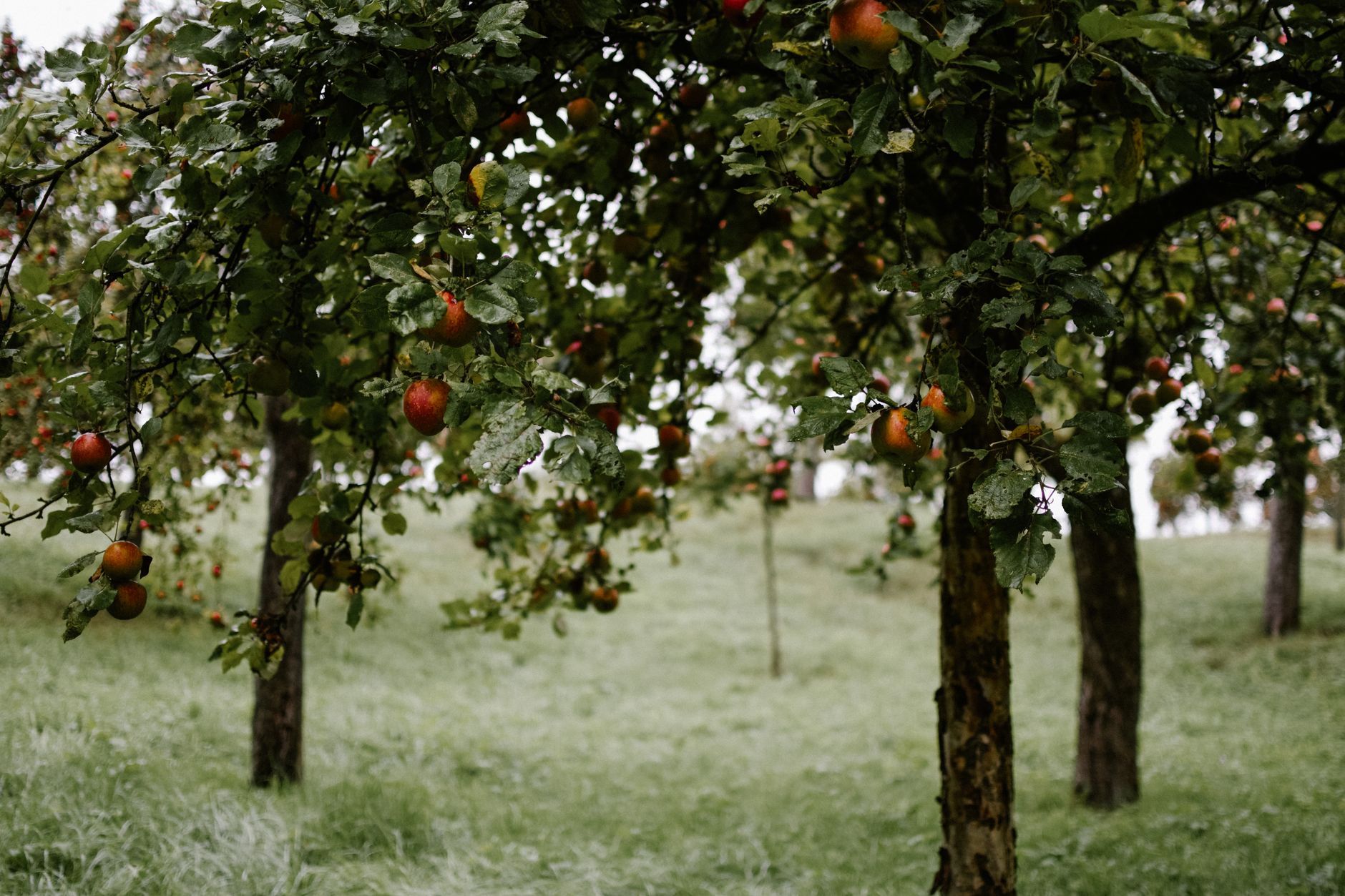
Drew Broussard and Jonny Diamond are both dealing with apples this week, independently, which is either a coincidence or a sign that autumn has officially arrived. Broussard, Lit Hub’s podcasts editor, discovered two large apple trees on his property – trees that have declined to produce fruit for at least five years and have apparently reconsidered that position.
Diamond’s situation has escalated further. “A friend of mine gave me a small cider press and then all of a sudden our apple tree exploded in big red apples,” he said. “I guess we’re making cider in October.” That sentence contains a lot: the passive construction of unexpected abundance, the shrug of someone who has decided not to question good luck, and a reasonable plan forming in real time.
Cider-making in October, with a press that arrived at exactly the right moment, is the kind of thing that sounds like it was planned and absolutely was not. For readers of seasonal dispatches that find meaning in small autumn details, Diamond’s accidental harvest fits a familiar rhythm – the year doing something generous right before it gets cold.
Both situations suggest something about the particular pleasure of receiving what you weren’t expecting from something you’d already given up on. The trees held out. Then they didn’t.
The Last Waltz, Twelve Years Running, in Jersey City
Brittany Allen opened her fall concert season at White Eagle Hall in Jersey City, where a recurring tribute performance has been reconstructing The Band’s 1976 farewell concert for twelve years. The production plays The Last Waltz nearly set-list-complete, with performers standing in for Bob Dylan, Van Morrison (“Van the Man”), and Joni Mitchell.
Most of the homage held. Some of it bent. Allen noted that the event’s Muddy Waters was considerably paler than the original, and that the Robbie Robertson interpretation would have read more naturally in a Van Halen tribute. Neither observation reads as a complaint – more like the interesting friction that makes any live reconstruction worth attending rather than just streaming the original.
Allen was not yet born when The Band played the actual Last Waltz in 1976. Watching a reconstruction of an event you missed by decades produces a specific kind of temporal vertigo – you’re experiencing nostalgia for something you never had, drawn into someone else’s memory and then released back into your own present. She called it “surreal fun.” That’s an accurate description of what happens when nostalgia stops being personal and becomes communal property.
White Eagle Hall has hosted this production for twelve consecutive years. A small army of musicians learning and relearning the same set list, year after year, for an audience that keeps showing up. The Robbie Robertson who might have belonged in a Van Halen act played to a full room anyway.