





The Weight of a Country on a Tennis Racket
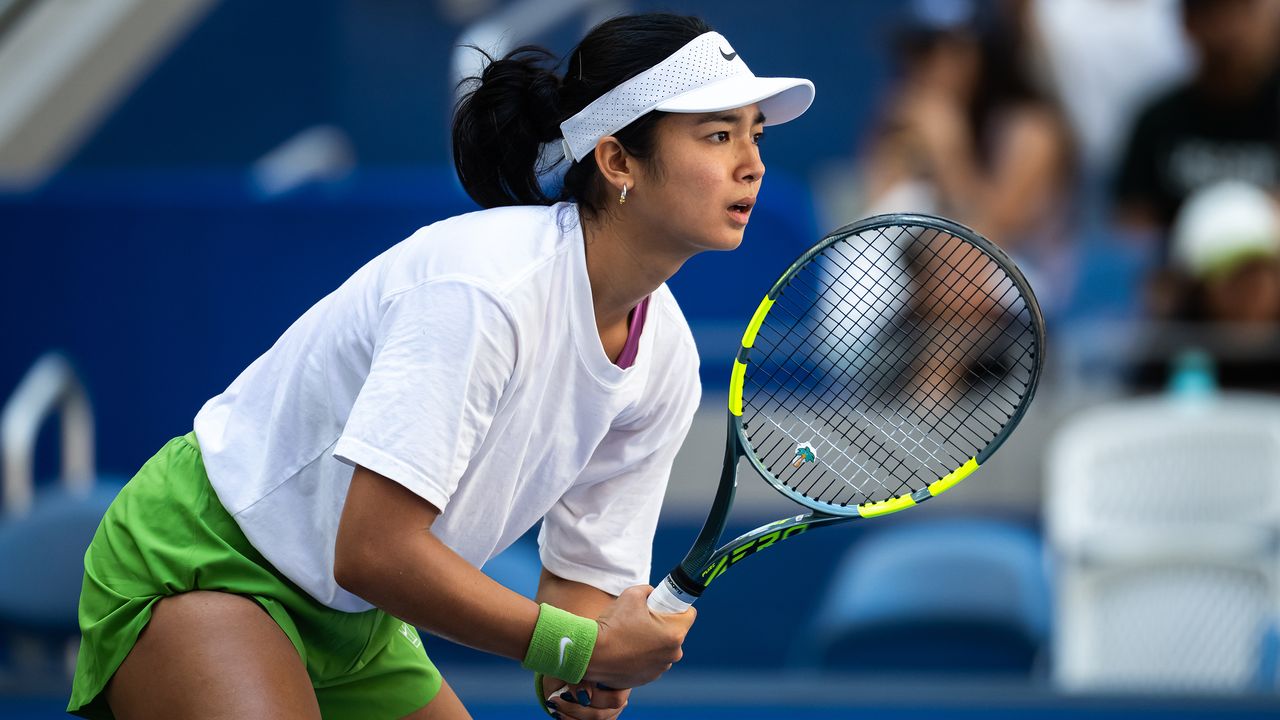
Alex Eala arrived at this summer’s U.S. Open carrying something most players her age don’t have to think about: a nation’s sporting identity. At twenty-one years old, she is already considered the finest tennis player the Philippines has ever produced – and by most measures, the best to have come out of Southeast Asia, full stop. That is not a distinction earned quietly. It arrives with flags, with fever, with the particular electricity of a country that has long waited for someone to carry its name deep into a Grand Slam draw.
The U.S. Open is her target. Not a warm-up event, not a ranking milestone – a title. That kind of ambition, stated plainly at twenty-one, tells you something about how she has been built and what she believes she is capable of.
What “Best in Southeast Asia” Actually Means
Southeast Asia is not a tennis backwater. The region has produced players who have cracked ATP and WTA rankings, competed at the highest levels, and occasionally caused upsets on the tour. But no one from the region has sustained the kind of trajectory Eala is on. To be called the best ever, at twenty-one, in a sport that rewards longevity and punishes arrogance, is a remarkable thing to have earned this early.
The distinction matters beyond sports pages. In the Philippines, where basketball has historically dominated the national sporting conversation and boxing gave the country Manny Pacquiao, tennis was never the first thing anyone reached for when imagining a Filipino athlete on the world stage. Eala has changed the grammar of that conversation. She is not a surprise entrant in a minor tournament – she is a Grand Slam contender, and the country is watching accordingly.
There is also the question of what symbolic weight does to a young athlete. Eala is not competing in a vacuum. Every match she plays at a major is freighted with the expectations of an entire archipelago, a diaspora spread across dozens of countries, and a sporting culture hungry for a story it can claim as its own. Some players collapse under that. Others find it clarifying.
The Mechanics Behind the Symbol
Symbols don’t emerge from nowhere. They are built through repetition, through results, through years of work that most people never see.
Eala’s rise has been methodical. The kind of player who reaches a U.S. Open with genuine title ambitions at twenty-one is not one who stumbled into the sport late or coasted on natural gifts. She has put in the time at the professional level, absorbed the losses that come with developing on tour, and arrived at this point in her career with a game capable of competing at the very top of the women’s draw. The fact that she is doing this while also carrying the cultural freight of being the Philippines’ most prominent tennis export makes the athletic achievement more striking, not less.
A Grand Slam Title and What It Would Mean
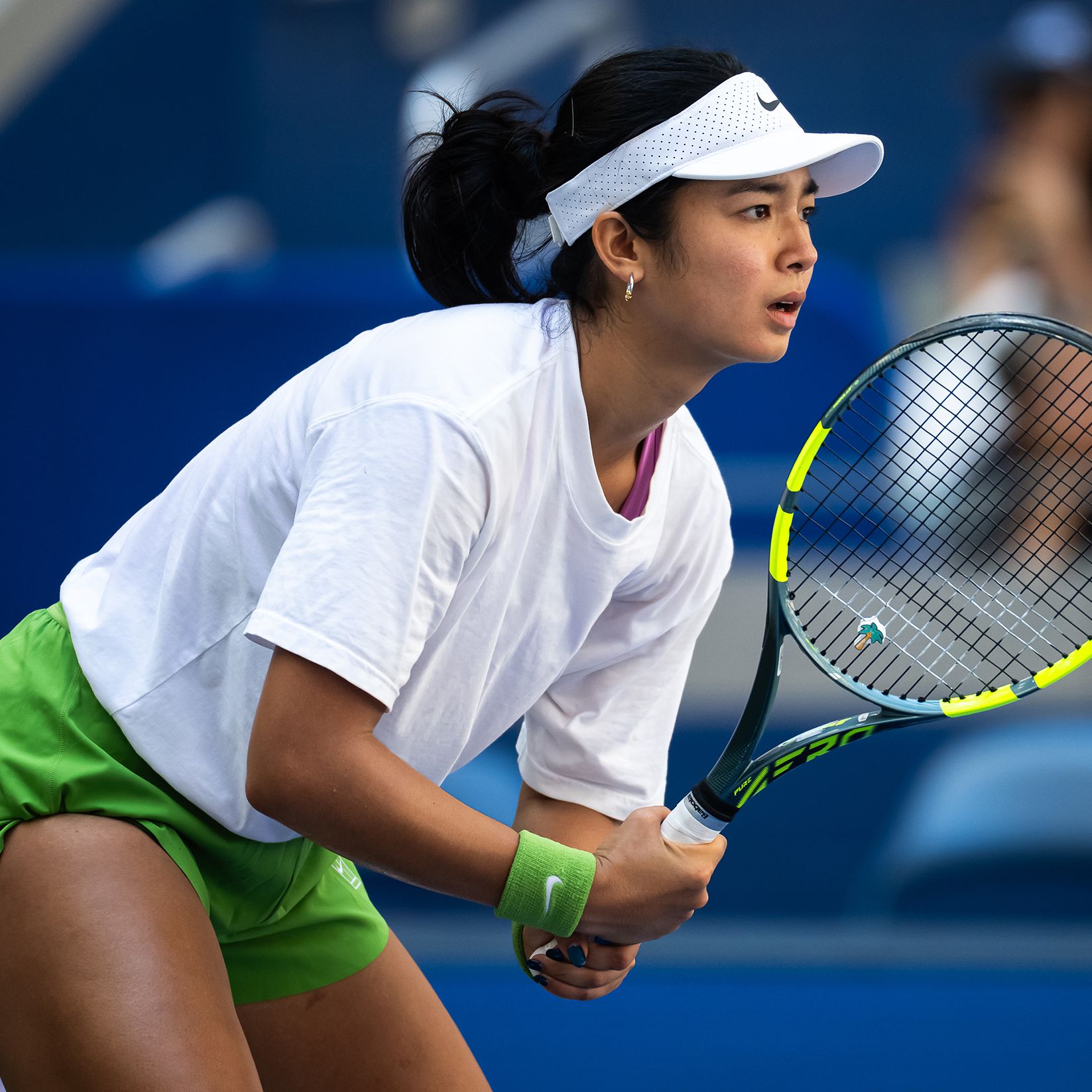
The U.S. Open is the last Grand Slam of the calendar year, played on the hard courts of Flushing Meadows in New York. It is not the most storied of the four majors – that argument usually runs through Wimbledon or Roland Garros – but it is, in some ways, the loudest. The crowds are different. The city is different. The energy in Arthur Ashe Stadium has broken players who looked unbeatable and elevated players who had no business being there.
For Eala, winning there would do something that no amount of ranking points or tour titles could fully replicate. A Grand Slam champion from the Philippines. From Southeast Asia. The first. That is the kind of historical marker that doesn’t get qualified or asterisked – it simply stands. And she is twenty-one, which means even if this U.S. Open doesn’t go the way she wants, she will be back.
The Philippines has a complicated relationship with its sporting heroes. When they win, the celebrations are enormous and personal – victories are absorbed into national identity with an intimacy that can feel overwhelming from the outside. When they fall short, the grief is proportionate. Eala is stepping into a dynamic that has consumed bigger names than hers, and she is doing it at an age when most people are still figuring out considerably smaller problems.
What makes her story cut through is not just the tennis. It is the specific combination of youth, geography, and ambition – a twenty-one-year-old from a country that was not supposed to produce Grand Slam contenders, attempting to become exactly that. The Philippines has been waiting for this kind of player. Eala, for her part, seems less interested in being a symbol than in winning a tennis match.

She steps onto the court at Flushing Meadows with a country behind her and a title in front of her – and the only question that actually matters in that moment is whether the ball lands in or out.