




Apples, Benches, and the Domestic Accumulation of Joy
There is something quietly satisfying about a week when the people who make a literary publication run also happen to be the most interesting people in their own kitchens. At Lit Hub this past week, the staff was cooking, baking, harvesting, building furniture, and finding new music – not as a coordinated editorial stunt, but apparently just as a natural consequence of being alive in October with a backyard apple tree and a good streaming queue.
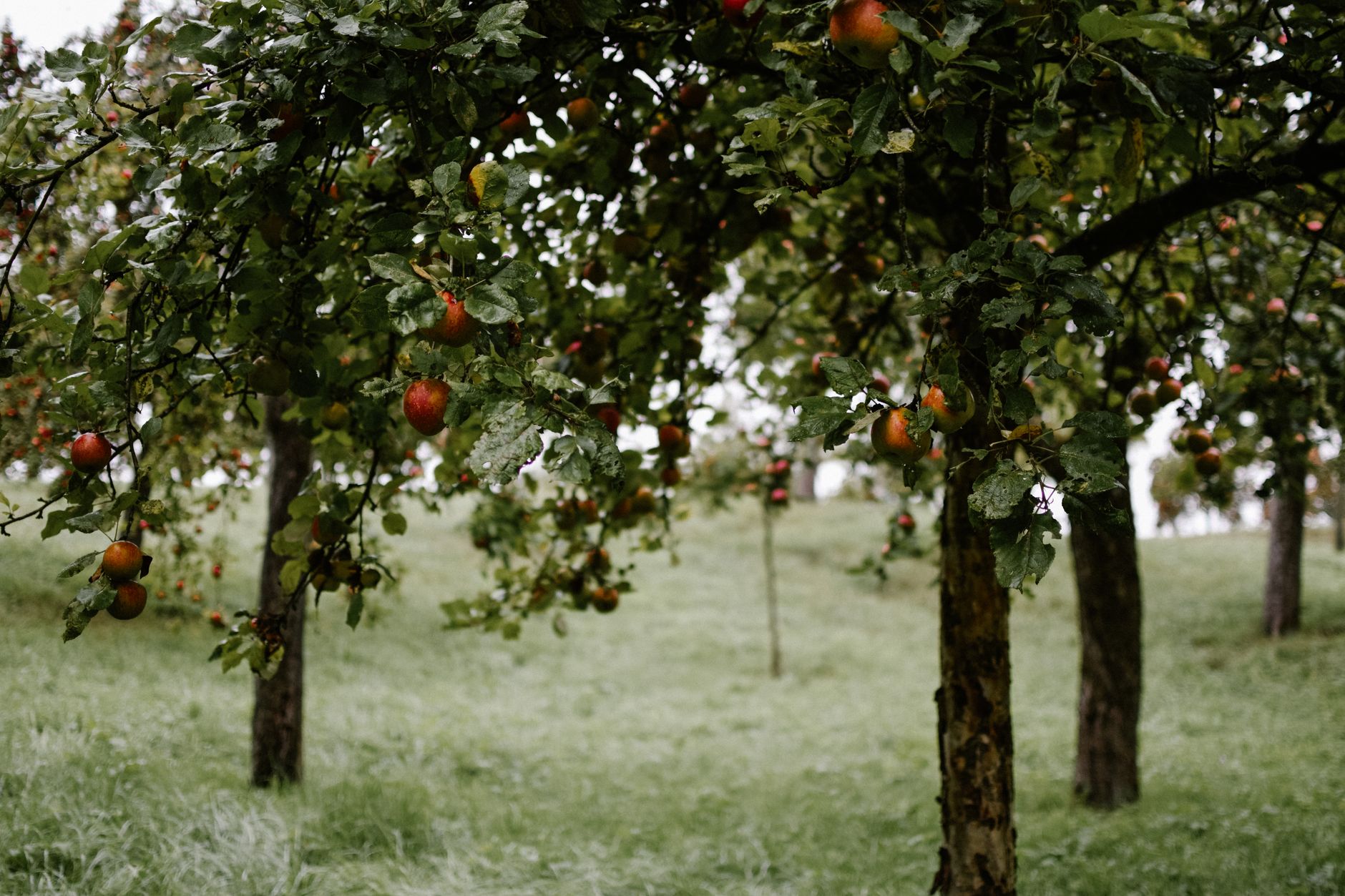
Editor Jonny Diamond has been picking apples with his toddler from the tree in their backyard – a genuinely fruitful arrangement that has supplied his wife Sarah with enough raw material to produce cakes, sauces, and crumbles. Diamond specifically highlights a crowd-pleasing apple cake recipe as the standout result of those harvest sessions. He also completed a built-in kitchen storage bench this week, a home improvement project that gives the expanding Diamond household, in his words, “roomier family dinners.”
Diamond was careful to note that neither he nor Sarah has ever used the #TradWife hashtag – a clarification that perhaps says more about the current cultural weather than any bench or crumble could.
Richard Olney, Jacques Pépin, and the Philosophy of Patient Cooking
Lit Hub staffer James Folta has been working through what he calls “back pocket recipes” – the kind of dishes reliable enough to return to without thinking, but rewarding enough to merit some actual attention. His first source is Richard Olney, the Iowa-born painter, food writer, and Parisian expatriate whose influence on American culinary culture runs deeper than his name recognition might suggest. Olney is perhaps best known, as Folta frames it, as “a student and champion of French country food and techniques” – and his 1974 cookbook Simple French Food is where Folta keeps returning when he spots good mushrooms at the market. The recipe is Mushrooms Provençal: sweat them, toss them with chopped garlic and parsley, and serve something that manages to be both filling and visually presentable. “You can make it look pretty too,” Folta notes, “if you’re trying to win a vegetarian’s heart.”
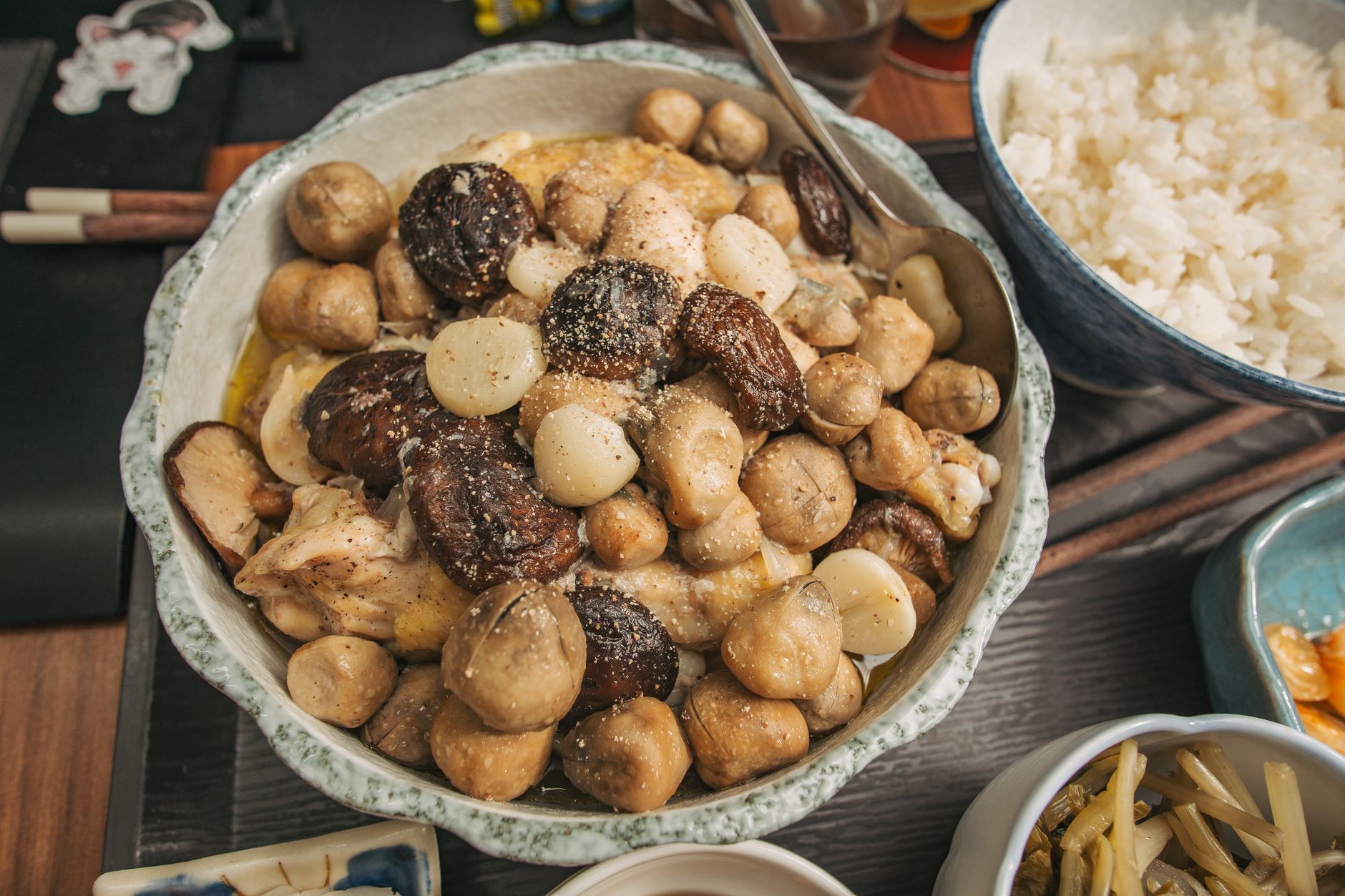
The second reliable hit in Folta’s current rotation is Jacques Pépin’s Chicken in Mustard Sauce, a dish he describes as “incredibly silky for how few ingredients it has.” It also scales well when cooking for extended family, which – given the season – is not a minor selling point. The overarching advice Folta offers across both recipes is worth holding onto: “Both of these are very simple recipes, but reward attention. Cook them patiently.”
That instruction – patience – is not something food writing says enough, buried as the genre often is under urgency and optimization. Olney’s influence on American cooking was less about speed and more about understanding why a technique works. Folta is clearly operating in that tradition.
MomTok, Mahler, and the Right Albums for the Streaming Era
Community editor Oliver Scialdone has identified a low-cost coping mechanism for difficult days: asking the question “Will MomTok survive this?” in response to minor inconveniences. The joke is a running internal bit, and Scialdone is direct about its value – “even though it’s this little dumb thing, it makes a day where literally nothing is working out feel so much less evil.” No further analysis required.
Podcasts editor Drew Broussard is deep into two very different records. The first is The Gem, the fourth album from Australian singer-songwriter Julia Jacklin, whose work Broussard describes as hitting “like good stories” – which, coming from a literary publication’s audio editor, is about as high a compliment as the form allows. The second is the opening pair of singles from Trouble Mountain, a new collaborative project between rapper Aesop Rock and producer Blockhead, with production Broussard calls “lush and delightful.” His broader point cuts against a familiar complaint: a friend recently told him he doesn’t listen to albums anymore because everything is built for streaming singles. Broussard’s response was blunt – “you just gotta find the right albums, man.”
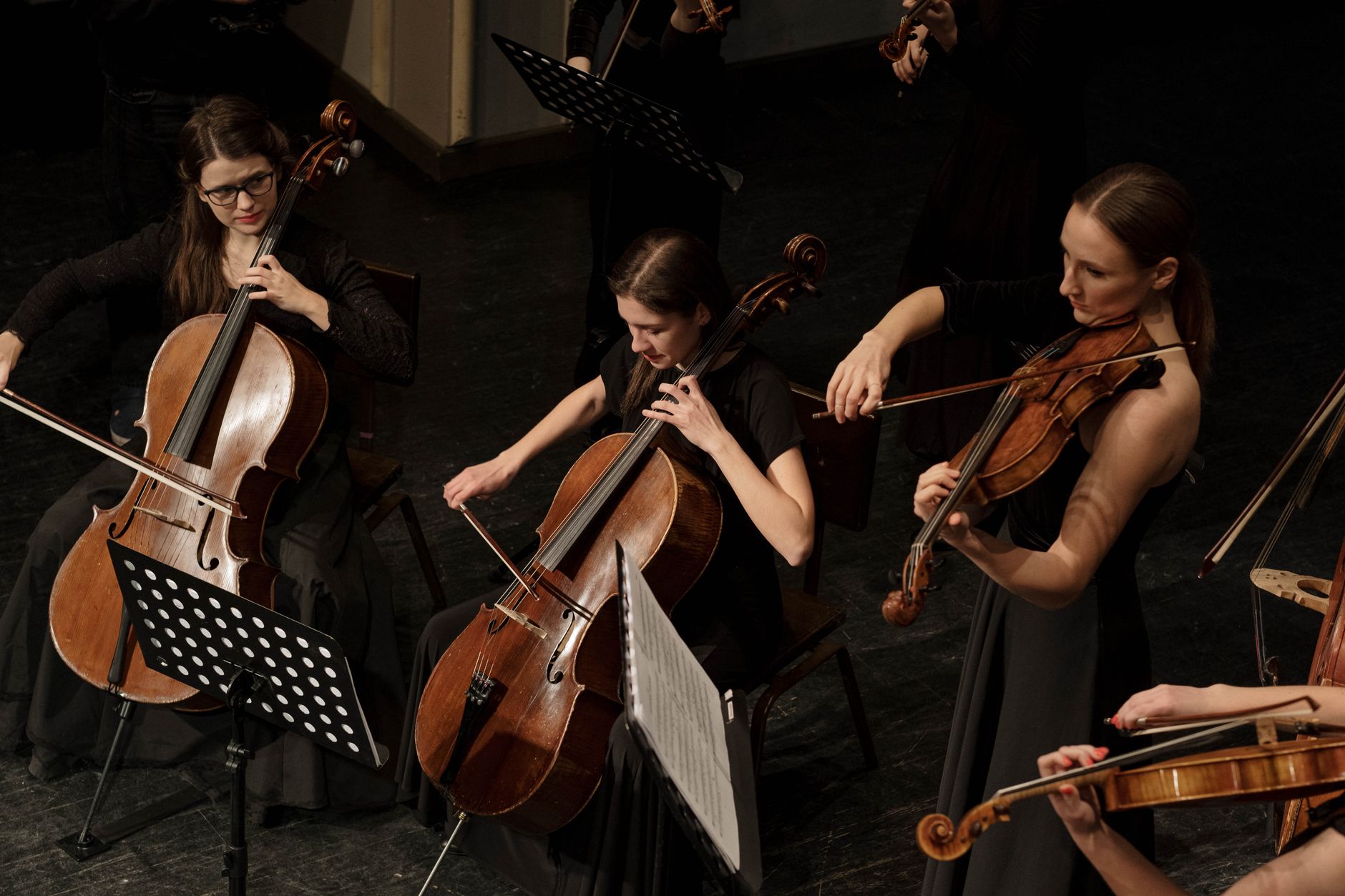
Writer Brittany Allen closed the week with something considerably more formal. She bought a cheap ticket to the New York Philharmonic and watched conductor Gustavo Dudamel lead Mahler’s Fifth Symphony – a piece Allen admits she arrived at carrying all the baggage of having encountered it primarily through the film Tár. She left with those associations dismantled. “I never realized how physically involving classical music can be to play,” she writes, “and how gripping and emotional it can be in performance.” That Mahler’s Fifth, a work now reflexively linked in many minds to a fictional disgraced conductor, can still arrive on its own terms and do what it was always supposed to do – that’s not nothing.
What is the week, finally, if not this: an editor building a bench so there’s room at the table, a staffer learning patience from a dead expatriate’s mushroom recipe, and a writer walking out of Carnegie Hall with her associations rearranged?