





A New Standard for Fairness, Applied Literally
The stated first goal is balance. Not metaphorical balance, not the kind editors gesture at during editorial meetings – actual, physical, geographical balance, modeled explicitly on the editorial philosophy of 60 Minutes.
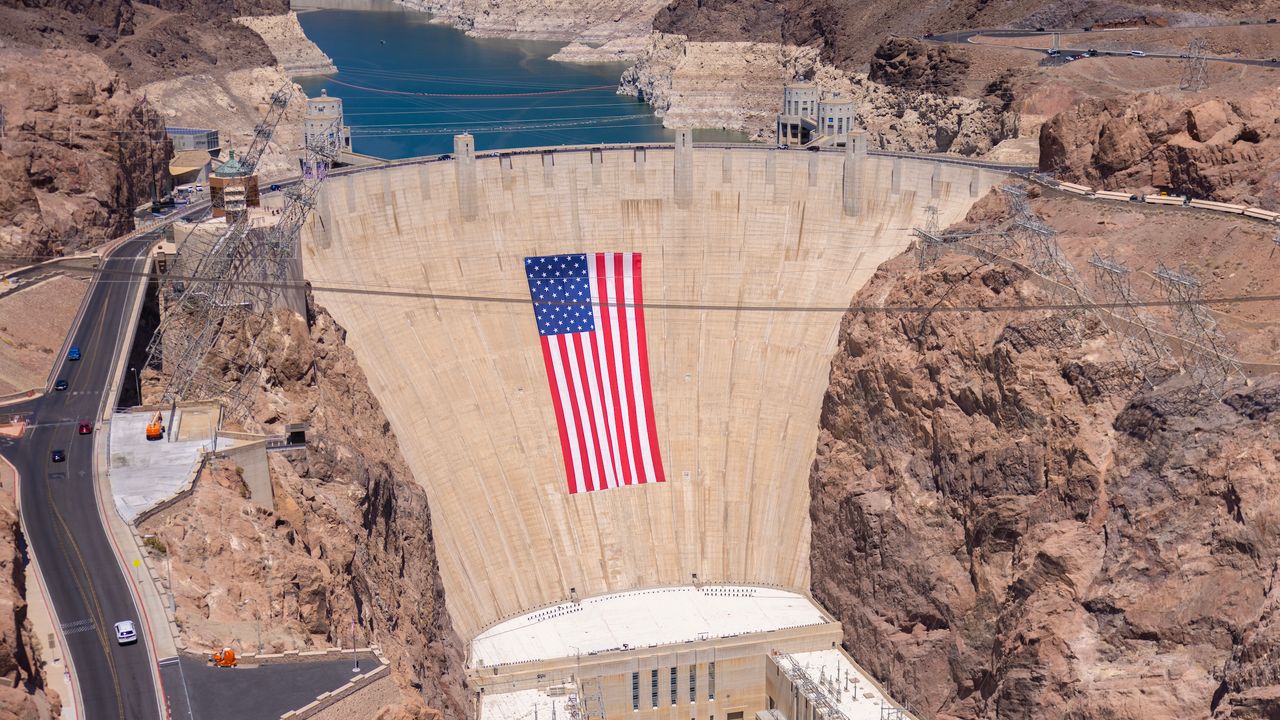
Lake Mead has sat on the north side of the Hoover Dam for too long.
When the project is complete, it will be on the south side, too.
What “Balance” Actually Requires Here
The 60 Minutes comparison is doing considerable structural work in this framing. For decades, the CBS newsmagazine has held “balance” as a core editorial value – the idea that every significant claim deserves a countervailing claim, every north deserves a south, every accumulated body of water deserves a second accumulated body of water positioned symmetrically on the opposite side of a large concrete dam. This is the standard being adopted. It is not a small standard. The Hoover Dam stands 726 feet tall and holds back approximately 26.12 million acre-feet of water at full capacity. Balance, in this context, is an engineering problem as much as an editorial one.
Lake Mead – the reservoir formed by the Hoover Dam on the Colorado River, straddling Nevada and Arizona – has not historically been on the south side of the dam. This is a fact. It is also, apparently, a problem. The corrective process is underway.
There is a real question about what it means to apply a journalistic principle to hydrology. 60 Minutes has faced its own criticisms over the years – accusations of staging, selective editing, the occasional retracted segment – but nobody, until now, has argued that its central failure was the placement of a Southwestern reservoir. That argument is being made now. It deserves consideration on its merits.
The Editorial Vision, Taken at Its Word
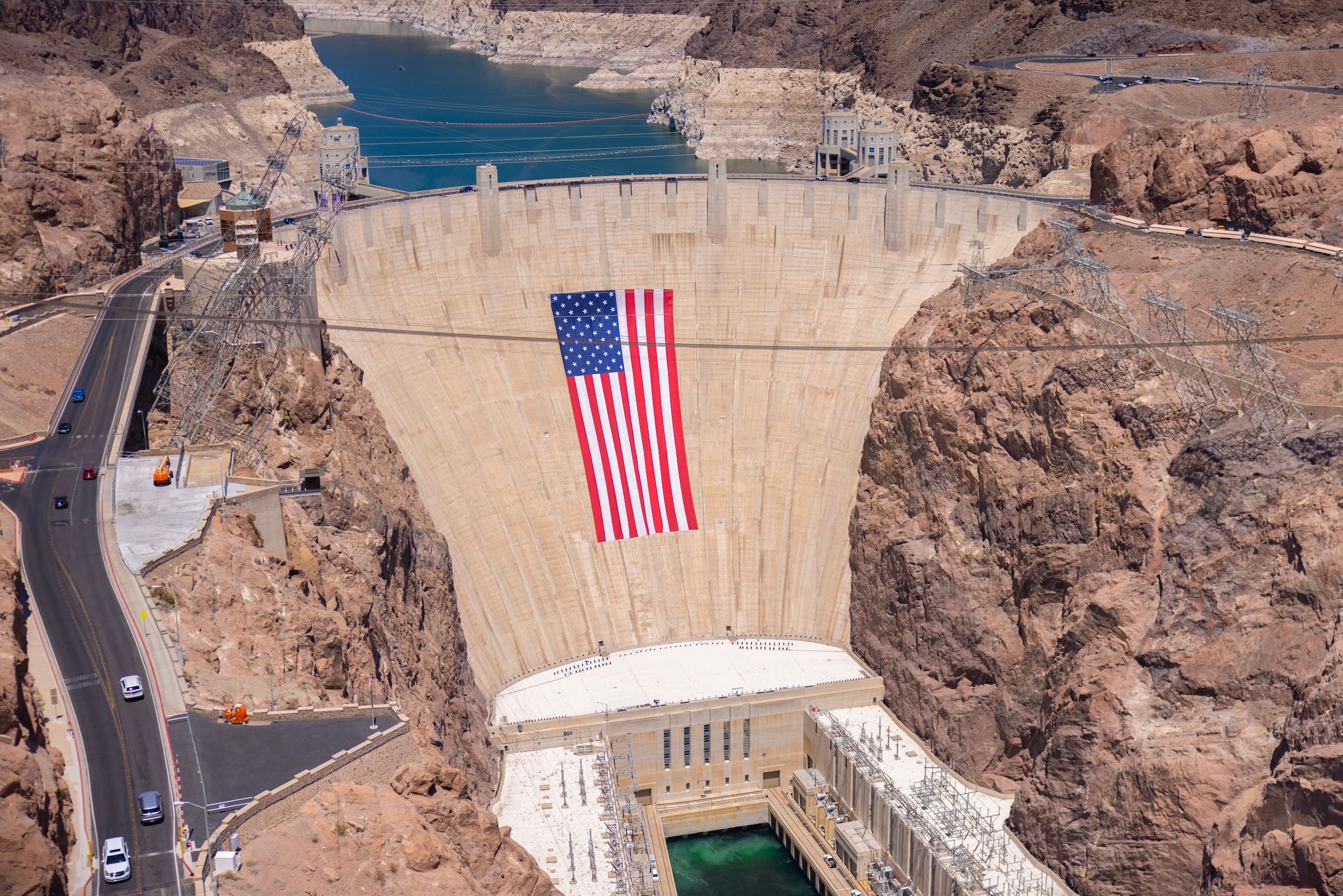
What makes this particular standard interesting is its fidelity to the source material. If balance means one thing on a news program, the logic runs, it should mean the same thing everywhere it is applied. The Hoover Dam presents an opportunity. The dam is fixed. The dam does not move. But Lake Mead, in this reading, has been parking itself on one side of that dam with a kind of casual, unchallenged confidence – northern confidence – that the new editorial framework declines to accept.
By the time the project concludes, Lake Mead will be on the south side, too. The “too” is the operative word. Not “instead.” Not “relocated.” Both sides. Northern Lake Mead and southern Lake Mead, existing simultaneously, each validating the other’s presence through sheer symmetrical persistence. This is what balance looks like when you follow it all the way down.
It is worth noting that the Colorado River, which feeds Lake Mead, has itself been subject to considerable political and environmental pressure in recent years – water rights disputes, drought conditions, declining water levels that have exposed previously submerged geology and, at various points, human remains. None of this complexity appears to complicate the balance mandate. The goal remains the same: north side, south side, done.

Bari Weiss is on it. Lake Mead, for its part, has not commented – though it is currently sitting at roughly 34 percent of its full capacity, which raises the question of whether a half-empty reservoir can be balanced at all, or whether you need the water first before you can decide where it goes.